
An itchy scalp can be more than just a minor annoyance—it can disrupt concentration, affect sleep, and even lead to embarrassment when scratching becomes unavoidable. While many people assume itching is linked to dandruff, a significant number experience persistent scalp irritation without any visible flakes. This condition can be confusing and frustrating, especially when over-the-counter anti-dandruff shampoos fail to provide relief. Understanding the underlying causes and adopting targeted, gentle solutions is essential for lasting comfort.
The scalp, like facial skin, is sensitive and prone to reactions from internal imbalances and external triggers. When flaking isn’t present, the root cause often lies beyond typical fungal activity or dryness. Instead, factors such as product buildup, allergic reactions, environmental stressors, or inflammatory skin conditions may be at play. The good news is that most cases respond well to careful diagnosis and mild, restorative care.
Common Causes of Itchy Scalp Without Dandruff
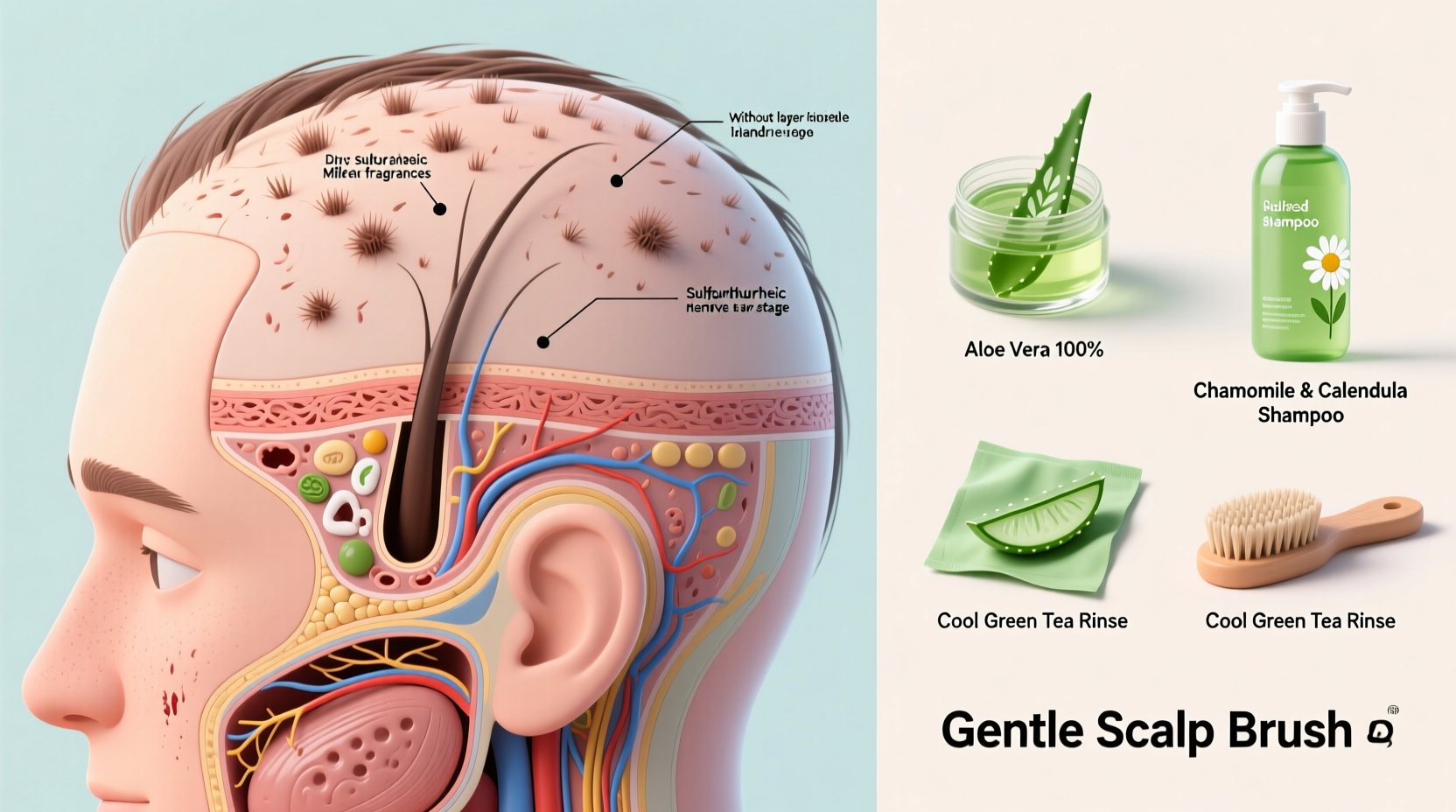
Itching without flaking suggests that the scalp’s nerve endings are irritated, but the outer layer hasn’t begun to shed excessively. Several non-dandruff-related conditions and habits contribute to this sensation:
- Allergic contact dermatitis: Reactions to ingredients in shampoos, conditioners, or styling products—such as fragrances, parabens, or sulfates—can inflame the scalp.
- Product buildup: Residue from silicones, oils, or dry shampoos can clog hair follicles and trigger itchiness over time.
- Seborrheic dermatitis (early stage): In its milder form, this condition may cause redness and itching before noticeable scaling appears.
- Psoriasis: A chronic autoimmune disorder that leads to rapid skin cell turnover, often causing thickened patches and intense itching, sometimes without obvious flaking on the scalp.
- Eczema (atopic dermatitis): Can affect the scalp, especially in individuals with a history of eczema elsewhere on the body.
- Environmental irritants: Pollutants, hard water minerals, or chlorine from swimming pools can strip natural oils and irritate the scalp.
- Hormonal fluctuations: Changes during pregnancy, menopause, or thyroid imbalances can alter scalp oil production and sensitivity.
- Stress-induced inflammation: Chronic stress increases cortisol levels, which may exacerbate inflammatory skin responses.
Identifying the specific cause requires attention to patterns—such as whether itching worsens after using certain products, during seasonal changes, or in response to lifestyle shifts.
Gentle Remedies That Soothe and Heal
Aggressive treatments like medicated shampoos containing coal tar or salicylic acid can worsen irritation if dandruff isn’t present. Instead, focus on calming the scalp with gentle, nourishing approaches that restore balance without stripping natural oils.
1. Switch to a Mild, Sulfate-Free Cleanser
Harsh surfactants like sodium lauryl sulfate (SLS) can disrupt the scalp’s pH and moisture barrier. Opt for a fragrance-free, hypoallergenic shampoo designed for sensitive scalps. Look for soothing ingredients such as oat extract, chamomile, or allantoin.
2. Use a Weekly Apple Cider Vinegar Rinse
Apple cider vinegar helps rebalance scalp pH and dissolve product residue. Mix one part raw, unfiltered ACV with three parts water. After shampooing, pour through hair, massage into the scalp, and leave for 5–10 minutes before rinsing thoroughly.
“Apple cider vinegar is mildly antimicrobial and helps reduce scalp inflammation without drying—ideal for non-flaky itch.” — Dr. Lena Torres, Dermatologist & Trichology Specialist
3. Apply Cool Compresses for Immediate Relief
When itching feels unbearable, apply a clean cloth soaked in cool water to the scalp for 10–15 minutes. This constricts blood vessels and reduces nerve signaling that causes itch sensations.
4. Incorporate Scalp-Soothing Oils
Natural oils like jojoba, squalane, or calendula have anti-inflammatory properties and mimic the scalp’s sebum. Warm a teaspoon and gently massage into affected areas before bedtime. Leave overnight and wash out in the morning.
5. Try a Colloidal Oatmeal Mask
Colloidal oatmeal has been clinically shown to relieve itching and protect irritated skin. Blend finely ground oats with water or aloe vera gel to form a paste. Apply to the scalp, leave for 15 minutes, then rinse with lukewarm water.
Do’s and Don’ts: Managing an Itchy Scalp Safely
| Do’s | Don’ts |
|---|---|
| Wash hair regularly to prevent buildup | Scratch aggressively—this damages skin and increases inflammation |
| Use lukewarm water—hot water strips natural oils | Use scented or alcohol-based styling products near the scalp |
| Choose soft-bristle brushes to avoid micro-tears | Overuse dry shampoo—it accumulates and blocks follicles |
| Wear breathable hats in hot weather | Apply heavy oils like coconut oil daily—it can trap debris |
| Rinse thoroughly after swimming | Ignore worsening symptoms—seek professional advice if persistent |
Step-by-Step Guide to Calming an Irritated Scalp
Follow this five-day reset plan to reduce scalp itching naturally and assess what might be aggravating your skin:
- Day 1 – Clarify Gently: Wash with a sulfate-free, low-foaming cleanser. Focus on massaging the scalp, not just the hair. Rinse thoroughly.
- Day 2 – Soothe with ACV: Perform an apple cider vinegar rinse to remove residue and rebalance pH.
- Day 3 – Hydrate with Oil: Apply a small amount of jojoba oil to itchy areas and cover with a loose cap overnight. Wash out in the morning.
- Day 4 – Rest and Observe: Avoid all new products. Wear hair down or loosely tied. Note any changes in itching intensity.
- Day 5 – Evaluate: Reflect on whether symptoms improved. If yes, continue the routine weekly. If no, consider eliminating suspect products or consulting a dermatologist.
This method allows you to isolate variables while actively supporting scalp health. Repeat the cycle weekly if needed, but avoid over-treating, which can sensitize the skin further.
Real-Life Example: Maria’s Journey to a Calmer Scalp
Maria, a 34-year-old graphic designer, had struggled with an itchy scalp for nearly six months. She didn’t have dandruff, but her scalp burned slightly after washing, especially when using her favorite volumizing shampoo. Over-the-counter dandruff treatments only made it worse. After switching to a fragrance-free brand and reducing her use of dry shampoo, she noticed gradual improvement. Then, inspired by a blog post, she tried a weekly ACV rinse. Within two weeks, the constant urge to scratch diminished significantly.
She later discovered that a new hair serum containing synthetic fragrance was the main culprit. Once eliminated, her scalp fully recovered. “I didn’t realize how sensitive my skin was to chemicals,” she said. “Now I read labels like I read food ingredients.”
When to See a Professional
While most cases of non-dandruff-related scalp itching resolve with gentle care, some signs warrant medical evaluation:
- Persistent redness, swelling, or oozing
- Hair thinning or patchy hair loss alongside itching
- No improvement after 4–6 weeks of consistent care
- History of autoimmune conditions like psoriasis or lupus
A board-certified dermatologist can perform a scalp examination, possibly using dermoscopy or a biopsy, to diagnose conditions like lichen planopilaris, early-stage psoriasis, or fungal infections that don’t produce flakes. Prescription treatments such as low-potency corticosteroid lotions or antihistamines may be recommended temporarily.
Frequently Asked Questions
Can drinking more water help an itchy scalp?
Yes, hydration supports overall skin health, including the scalp. While drinking water alone won’t cure itching, chronic dehydration can worsen skin dryness and sensitivity. Aim for 1.5–2 liters daily, adjusting for climate and activity level.
Is it safe to use essential oils on an itchy scalp?
Only when properly diluted. Never apply undiluted essential oils directly. Lavender or tea tree oil may offer antimicrobial benefits, but they can also cause allergic reactions. Mix 1–2 drops per tablespoon of carrier oil (like jojoba) and do a patch test behind the ear first.
Can stress really make my scalp itch?
Absolutely. Stress activates the nervous system and increases inflammatory cytokines, which can heighten skin sensitivity. Practices like mindfulness, deep breathing, or yoga may reduce both psychological stress and physical symptoms like scalp itching.
Conclusion: Take Control with Gentle, Consistent Care
An itchy scalp without dandruff doesn’t have to be a mystery. By recognizing that irritation can stem from allergies, environmental exposure, or subtle imbalances, you empower yourself to respond wisely. Harsh treatments often do more harm than good. Instead, prioritize simplicity: gentle cleansing, thoughtful ingredient choices, and consistent observation.
Healing takes time, but small, deliberate steps yield real results. Start today by reviewing your current haircare routine, removing potential irritants, and introducing one soothing remedy at a time. Your scalp deserves the same care as the rest of your skin—treat it with patience and respect.




 浙公网安备
33010002000092号
浙公网安备
33010002000092号 浙B2-20120091-4
Comments
No comments yet. Why don't you start the discussion?