
Thunderstorms can be terrifying—not just for people, but especially for dogs. The sudden booms of thunder, flashes of lightning, changes in barometric pressure, and static electricity in the air can trigger intense fear responses in even the most confident canines. For pet owners, watching a dog tremble, pace, hide, or bark uncontrollably during storms is heartbreaking. As interest in natural remedies grows, many are turning to CBD oil as a potential solution. But does it actually work? And more importantly, is it safe and effective for dogs experiencing thunderstorm anxiety?
The short answer: Yes, CBD oil shows promising results in reducing anxiety in dogs, including storm-related fear, based on both scientific research and anecdotal evidence. However, effectiveness varies by dog, product quality, dosage, and consistency of use. Understanding how CBD works, what to look for in a product, and how to administer it properly is essential before trying it at home.
How CBD Works in Dogs’ Bodies
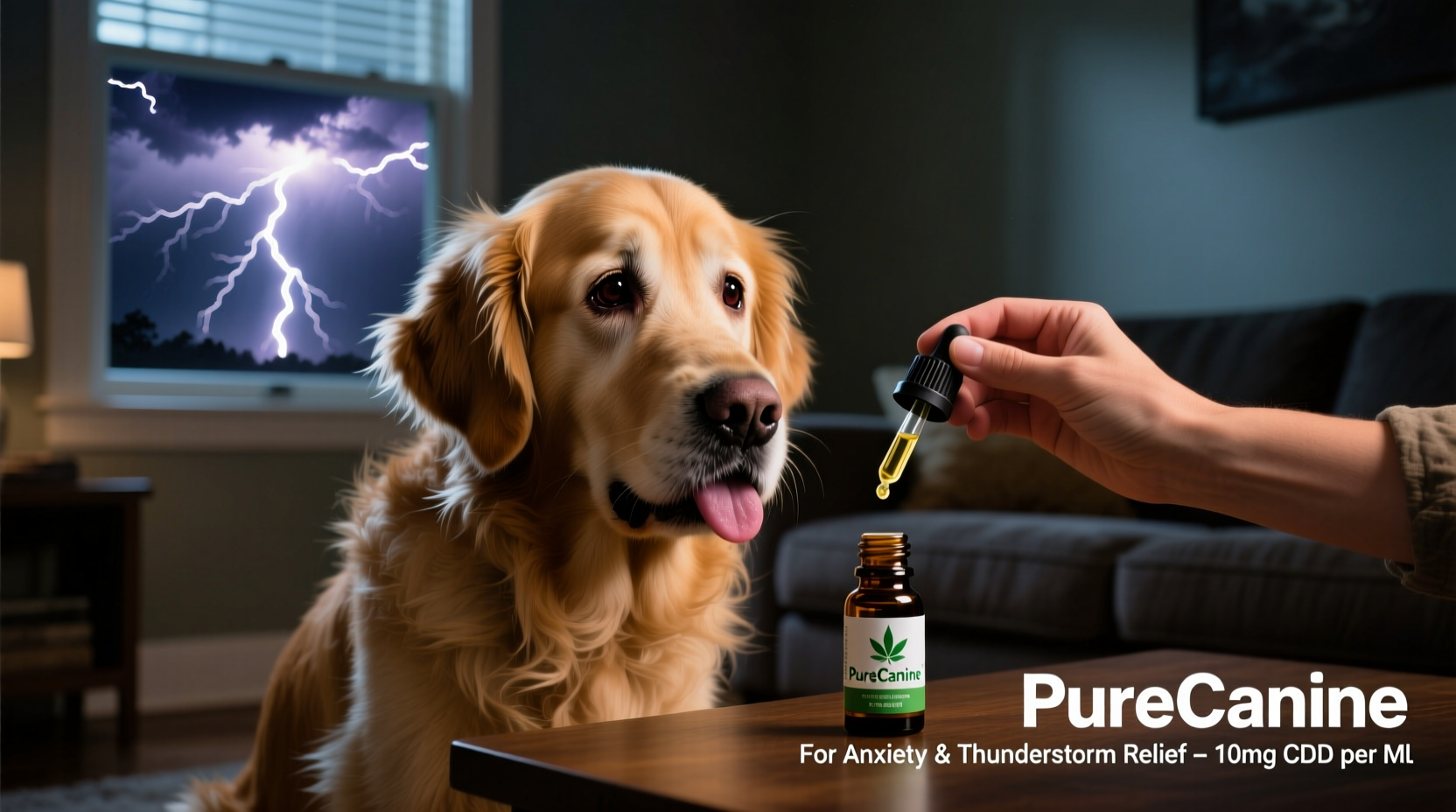
CBD, or cannabidiol, is a non-psychoactive compound derived from hemp plants. Unlike THC (tetrahydrocannabinol), which causes a “high” in humans and is toxic to dogs, CBD does not alter mental state. Instead, it interacts with the endocannabinoid system (ECS)—a complex network of receptors found throughout the body that helps regulate mood, sleep, pain, inflammation, and stress response.
Dogs have a highly active ECS, particularly in the brain and nervous system. When a dog experiences anxiety—such as during a thunderstorm—their body releases stress hormones like cortisol. CBD helps modulate the ECS to promote balance, potentially dampening the overactive fear response. Research suggests CBD may increase serotonin signaling, similar to how certain anti-anxiety medications work, but without the same level of side effects.
“CBD has shown anxiolytic properties in multiple animal studies. While more large-scale clinical trials in dogs are needed, the existing data and owner reports suggest it can be a useful tool in managing situational anxiety.” — Dr. Linda Choy, Veterinary Neurologist and Integrative Medicine Specialist
Evidence: Does CBD Actually Help With Thunderstorm Anxiety?
Scientific research on CBD for dogs is still evolving, but early findings are encouraging. A 2019 study published in *Frontiers in Veterinary Science* evaluated CBD’s effect on noise aversion in dogs. Researchers found that dogs given CBD exhibited significantly reduced anxiety behaviors during simulated fireworks compared to the placebo group. While thunderstorms weren’t specifically tested, the mechanism of noise-induced fear is very similar.
Another peer-reviewed study from Cornell University showed that dogs with osteoarthritis who received CBD twice daily experienced improved comfort and mobility. Although focused on pain, the study also noted secondary improvements in anxiety and sleep, reinforcing CBD’s broader calming effects.
Beyond research, thousands of pet owners report success using CBD during storms. Common observations include:
- Reduced panting and pacing
- Less hiding or destructive behavior
- Improved ability to rest during storms
- Faster recovery after the event ends
Choosing the Right CBD Product for Your Dog
Not all CBD oils are created equal. The market is flooded with products of varying quality, and some may contain harmful additives or inaccurate labeling. To ensure safety and efficacy, consider the following factors:
| Factor | What to Look For | Avoid |
|---|---|---|
| Hemp Source | Organically grown, U.S.-based hemp | Unknown origins or synthetic CBD |
| Third-Party Testing | Publicly available lab reports (COAs) | No lab testing or vague claims |
| THC Content | Less than 0.3% (legal limit) | Any detectable THC above trace levels |
| Carrier Oil | MCT oil or hemp seed oil | Artificial flavors or preservatives |
| Full-Spectrum vs. Isolate | Full-spectrum (entourage effect) | Isolates unless THC sensitivity is a concern |
Full-spectrum CBD contains a range of beneficial cannabinoids and terpenes that work synergistically to enhance effects—a phenomenon known as the “entourage effect.” Broad-spectrum offers similar benefits without any THC, ideal for sensitive dogs. CBD isolate contains only pure CBD and may be less effective for anxiety.
Step-by-Step Guide to Using CBD During Thunderstorms
Administering CBD effectively requires planning and consistency. Here’s a practical timeline to follow:
- Week 1–2: Baseline Introduction
Start with a low dose (0.1–0.2 mg per pound of body weight) once or twice daily. Observe for any side effects such as drowsiness or digestive upset. - Week 3: Assess Response
If no improvement, gradually increase the dose by 0.1 mg per pound every 3–4 days until desired effects are seen. Do not exceed 0.5 mg per pound without veterinary guidance. - Prior to Forecasted Storms: Pre-Treatment
Give the effective dose 30–60 minutes before the storm begins. CBD takes time to absorb and reach peak blood levels. - During the Storm: Optional Booster
If symptoms persist after 90 minutes, a half-dose booster may be given. Avoid frequent re-dosing. - After the Storm: Monitor Recovery
Note how quickly your dog returns to normal behavior. This helps gauge long-term progress.
Real Example: Max, the Rescue German Shepherd
Max, a 7-year-old German Shepherd adopted from a rural shelter, had severe thunderstorm phobia. During storms, he would howl, scratch at doors, and attempt to escape. His owner, Sarah, tried white noise machines, Thundershirts, and prescription medication, but Max remained distressed.
After consulting her vet, Sarah began using a full-spectrum CBD oil labeled for pets. She started with 2 mg twice daily (Max weighs 80 lbs). Within five days, she noticed he was calmer during light rain. When a major storm hit two weeks later, she administered 4 mg an hour before the storm arrived.
Max still sought comfort under the bed, but he did not bark or pace. He rested quietly and fell asleep halfway through the storm. Over the next few months, his reactions diminished further. Sarah now uses CBD preventively during storm season and reports a dramatic improvement in Max’s quality of life.
Safety and Side Effects
CBD is generally well-tolerated in dogs, but mild side effects can occur, especially at higher doses. These include:
- Drowsiness
- Dry mouth (reduced saliva production)
- Temporary drop in blood pressure
- Upset stomach or diarrhea
These effects are typically short-lived and resolve once the dose is adjusted. Importantly, CBD can interact with certain medications, including seizure drugs, heart medications, and some pain relievers. Always consult your veterinarian before starting CBD if your dog is on any prescription treatment.
Also, never use human CBD products that contain xylitol, chocolate, or other ingredients toxic to dogs. Stick to veterinarian-approved or pet-specific formulations.
Complementary Strategies for Thunderstorm Anxiety
CBD works best as part of a holistic approach. Combine it with behavioral and environmental strategies for maximum impact:
- Create a Safe Space: Designate a quiet, interior room with familiar bedding, toys, and calming scents like lavender (pet-safe).
- Use White Noise or Music: Play classical music or specially designed “Through a Dog’s Ear” tracks to mask thunder sounds.
- Try a Thundershirt: This snug-fitting garment applies gentle, constant pressure, which can have a calming effect similar to swaddling a baby.
- Desensitization Training: Gradually expose your dog to recorded thunderstorm sounds at low volume, rewarding calm behavior over time.
- Close Windows and Curtains: Reduce visual lightning flashes and block wind pressure changes.
FAQ: Common Questions About CBD for Dogs and Thunderstorms
Will CBD make my dog high?
No. CBD is non-psychoactive and contains little to no THC, the compound responsible for intoxication. When sourced correctly, pet CBD will not impair your dog’s cognition or coordination.
How long does it take for CBD to work during a storm?
When given orally, CBD typically takes 30–60 minutes to take effect. For best results, administer it before the storm starts. Effects can last 4–8 hours depending on dose and metabolism.
Can I give my dog human CBD oil?
It’s not recommended. Human products may contain additives, higher concentrations, or flavorings (like xylitol) that are dangerous for dogs. Always choose a product specifically formulated for pets with verified safety standards.
Checklist: Getting Started with CBD for Thunderstorm Anxiety
- Consult your veterinarian about using CBD, especially if your dog has health conditions or takes medication.
- Research and select a reputable brand with third-party lab testing and clear labeling.
- Begin with a low dose based on your dog’s weight (start at 0.1–0.2 mg per pound).
- Administer CBD consistently for at least 5–7 days to assess initial response.
- Adjust dosage gradually if needed, up to a maximum of 0.5 mg per pound (with vet approval).
- Give CBD 30–60 minutes before expected storms for preventive effect.
- Combine with environmental calming techniques for best outcomes.
- Monitor your dog’s behavior and keep a journal to track progress.
Conclusion: A Promising Option Worth Exploring
For dogs suffering from thunderstorm anxiety, CBD oil offers a natural, low-risk option that can significantly improve their emotional well-being. While not a cure-all, it has helped countless dogs remain calmer, sleep better, and cope more effectively with one of the most common forms of canine fear. Backed by emerging science, positive owner experiences, and growing veterinary acceptance, CBD is becoming a mainstream tool in pet wellness.
The key lies in choosing high-quality products, dosing responsibly, and integrating CBD into a broader anxiety management plan. Every dog is different—what works for one may need adjustment for another. But with patience and care, you may find that CBD brings much-needed peace to your pet when the skies darken.




 浙公网安备
33010002000092号
浙公网安备
33010002000092号 浙B2-20120091-4
Comments
No comments yet. Why don't you start the discussion?