
While most cooks reach for fresh celery stalks or leaves, few consider the potent little seed nestled within the plant’s flowering umbels. Celery seed—tiny, tan, and intensely aromatic—is one of the most underutilized yet transformative ingredients in both home and professional kitchens. Often relegated to the back of the spice drawer, it delivers a concentrated burst of earthy, slightly bitter, and unmistakably celery-like flavor that can elevate everything from soups and stews to pickles and spice rubs. Beyond taste, emerging research highlights its impressive phytonutrient profile, including antioxidants like apigenin and luteolin, which contribute to anti-inflammatory and cardiovascular benefits. This is not just a seasoning; it's a functional food with deep roots in traditional medicine and global cuisine. For those seeking depth, complexity, and wellness in their cooking, celery seed deserves center stage.
Definition & Overview
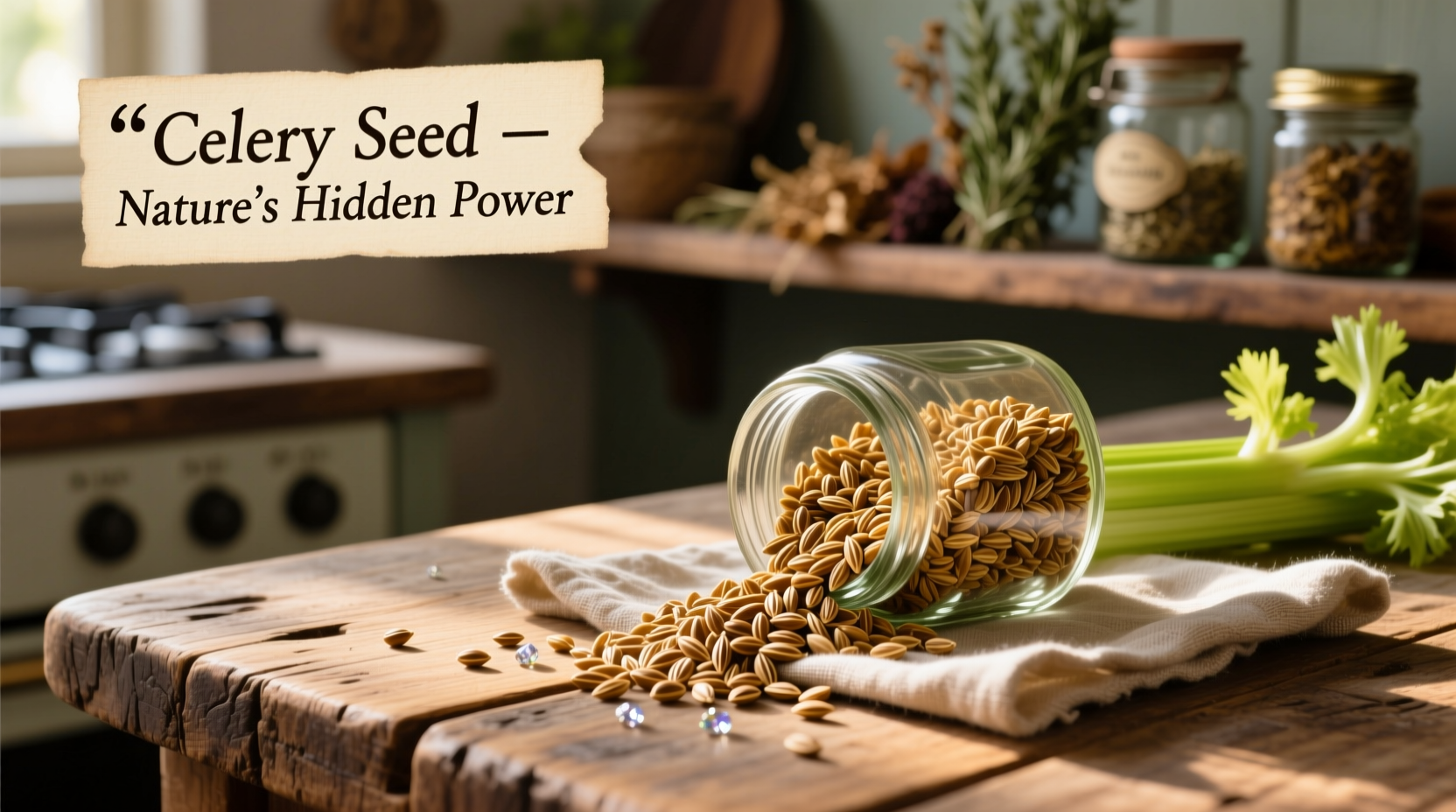
Celery seed comes from Apium graveolens, the same biennial plant that produces the familiar crisp stalks found in grocery stores. However, when allowed to flower and go to seed, this plant yields small, oval-shaped seeds measuring about 1–2 millimeters in length. These seeds are harvested once mature and dried, resulting in a spice with a powerful aroma and a complex flavor far more intense than fresh celery. Native to the Mediterranean and Middle East, celery has been cultivated for over 3,000 years—not initially as a vegetable, but as a medicinal herb and aromatic seed. Ancient Egyptians used it in religious ceremonies, while Hippocrates prescribed celery seed for pain relief. Today, it remains a staple in Indian, Middle Eastern, and Eastern European cuisines, where its bold character enhances curries, chutneys, breads, and preserved foods.
The flavor of celery seed is simultaneously warm, nutty, slightly peppery, and distinctly herbal, with top notes reminiscent of parsley and anise. Its bitterness is mild but present, contributing balance in savory applications. Unlike milder herbs, celery seed holds up exceptionally well to long cooking times, making it ideal for slow-simmered dishes where volatile aromatics might otherwise dissipate.
Key Characteristics
| Characteristic | Description |
|---|---|
| Flavor Profile | Earthy, pungent, mildly bitter, with herbal-anise undertones and a hint of pepper |
| Aroma | Strongly aromatic; releases a sharp, green-celery scent when crushed |
| Color & Form | Tan to light brown, small oval seeds (whole) or fine powder (ground) |
| Heat Level | None – not spicy, but adds warmth through aromatic intensity |
| Culinary Function | Flavor enhancer, preservative (in pickling), digestive aid, natural umami booster |
| Shelf Life | Whole seeds: 3–4 years in cool, dark storage; ground: 1–2 years |
Practical Usage: How to Use Celery Seed in Cooking
Celery seed shines brightest when used intentionally—not as a background note, but as a deliberate flavor driver. Because of its potency, a little goes a long way. A general rule is to start with ¼ to ½ teaspoon per quart of soup or sauce, adjusting to taste. Whole seeds respond beautifully to dry-toasting in a skillet over medium heat for 60–90 seconds before use, which amplifies their nuttiness and reduces raw bitterness.
In **home cooking**, celery seed is indispensable in:
- Pickling brines: It's a classic component in dill pickle recipes, often paired with mustard seed, garlic, and coriander. The seed’s natural preservative qualities help extend shelf life while adding depth.
- Soups and stews: Add during the sauté phase with onions and carrots (the mirepoix base) to build foundational flavor. Particularly effective in bean soups, lentil dal, and beef bourguignon.
- Salad dressings and vinaigrettes: Ground celery seed blends seamlessly into creamy dressings (like ranch or blue cheese) or oil-based vinaigrettes, lending a subtle herbal lift without overwhelming acidity.
- Meat rubs and marinades: Combine with paprika, black pepper, garlic powder, and onion powder for a robust dry rub on poultry, pork, or grilled vegetables.
- Bread and crackers: Sprinkle whole seeds onto focaccia, rye loaves, or homemade crackers before baking for a rustic, aromatic crunch.
Professional chefs leverage celery seed in more nuanced ways. In high-end charcuterie, it appears in house-made mortadella and bologna for authenticity and flavor continuity. Some modernist kitchens use it in powdered form to dust roasted root vegetables or incorporate it into compound butters served with grilled fish. Its synergy with umami-rich ingredients—soy sauce, mushrooms, aged cheeses—makes it a secret weapon in vegetarian and vegan cooking, helping mimic the savoriness typically derived from meat.
Pro Tip: Bloom celery seed in warm oil before adding liquids to a dish. Heat unlocks essential oils, dispersing flavor evenly throughout the final product. Try this technique when making potato salad, chili, or tomato-based sauces.
Variants & Types
Celery seed is available in several forms, each suited to different culinary purposes:
- Whole Celery Seed: The most common and longest-lasting form. Ideal for pickling, slow-cooked dishes, and breads where texture matters. Retains essential oils better than ground versions.
- Ground Celery Seed: Finely milled for quick incorporation into rubs, dressings, and spice blends. More perishable due to increased surface area; store in an airtight container away from light.
- Celery Salt: A blend of ground celery seed and salt (typically 3:1 salt-to-seed ratio). Popular in Bloody Marys, cocktail peanuts, and Chicago-style hot dogs. Can be made at home by combining 1 tbsp ground celery seed with 3 tbsp sea salt.
- Celery Seed Extract / Oil: Used primarily in dietary supplements and aromatherapy. Highly concentrated; not recommended for direct culinary use unless diluted properly.
| Form | Best Used For | Storage Tip |
|---|---|---|
| Whole Seeds | Pickling, braises, breads | Keep in glass jar, cool/dark place |
| Ground Seed | Dressings, rubs, soups | Use within 18 months; refrigerate if possible |
| Celery Salt | Seasoning snacks, cocktails, meats | Store like regular salt; avoid moisture |
Comparison with Similar Ingredients
Celery seed is frequently confused with other celery-derived products and similar-tasting spices. Understanding the differences ensures proper usage and prevents flavor imbalances.
- Fresh Celery Stalks: Much milder and watery in comparison. One tablespoon of celery seed equals roughly two cups of chopped fresh celery in flavor impact—but lacks the crunch and hydration.
- Celery Leaves (Fresh or Dried): More delicate, grassy, and less concentrated. Excellent as a garnish or finishing herb, but cannot substitute for seed in long-cooked dishes.
- Lovage: A close botanical relative with a stronger celery flavor than even the seed. Use sparingly—1/4 tsp lovage leaf = 1 tsp celery seed.
- Asafoetida (Hing): Common in Indian cuisine as a celery/onion/garlic substitute, especially in Jain diets. Strong sulfurous aroma when raw, mellows when cooked. Not interchangeable, but functionally similar in lentil dishes.
“In our test kitchen, we’ve replaced MSG in certain plant-based broths with a combination of toasted celery seed and dried shiitake powder. The result? Deep, rounded savoriness without additives.” — Chef Elena Ruiz, Culinary Director, Verdant Table Group
Practical Tips & FAQs
Can I substitute fresh celery for celery seed?
No direct substitution exists due to concentration differences. If a recipe calls for 1 tsp celery seed, you’d need to finely chop and slowly caramelize at least 1½ cups of celery to approach similar depth. Better alternatives include 1 tsp celery salt (adjusting overall salt), ½ tsp asafoetida (in Indian dishes), or 1 tbsp dried celery flakes.
Is celery seed safe for people with celery allergy?
No. Individuals allergic to celery—including pollen-food syndrome—should avoid celery seed entirely. It contains the same allergenic proteins, often in higher concentrations.
How do I store celery seed for maximum freshness?
Keep whole seeds in an airtight glass container, stored in a cool, dark cupboard or refrigerator. Avoid heat sources like ovens or stovetops. Label with purchase date; discard after four years.
What are the health benefits of celery seed?
Traditionally used in Ayurvedic and Chinese medicine, modern studies suggest celery seed may support:
- Blood pressure regulation via phthalides, which relax blood vessels
- Anti-inflammatory effects due to flavonoids like apigenin
- Antioxidant protection against cellular damage
- Diuretic properties that reduce water retention
Note: High doses (as in supplements) may interact with blood thinners or lithium. Consult a healthcare provider before using medicinally.
Which dishes benefit most from celery seed?
Top applications include:
- Classic Reuben sandwich dressing (Russian or Thousand Island)
- Homemade sauerkraut and fermented vegetables
- Bean salads and three-bean casserole
- Old-Fashioned chicken noodle soup
- Curry powders and garam masala blends (especially in Bengali cuisine)
Case Study – Elevating Vegetarian Chili: A blind taste test conducted by a Brooklyn-based cooking school showed that chili seasoned with ¾ tsp toasted celery seed scored 30% higher in \"depth of flavor\" versus control batches without it. Participants described it as \"heartier\" and \"more complete,\" despite identical ingredient lists otherwise.
Summary & Key Takeaways
Celery seed is far more than a supporting player—it is a culinary powerhouse with unmatched ability to deepen flavor, enhance preservation, and contribute meaningful phytonutrients to everyday meals. Its bold, earthy-celery essence withstands prolonged cooking, making it invaluable in soups, stews, pickles, and spice blends. Available in whole, ground, and salted forms, each variant offers unique advantages depending on the application.
Unlike fresh celery, which contributes mostly texture and mild flavor, celery seed delivers concentrated aroma and bioactive compounds linked to cardiovascular and anti-inflammatory benefits. When toasted or bloomed in fat, its complexity unfolds fully, enriching dishes with layers of warmth and savoriness. Chefs and home cooks alike can harness its potential to reduce reliance on salt, MSG, or animal products while maintaining richness.
To integrate celery seed effectively:
- Start small—¼ to ½ tsp per dish—and adjust upward.
- Toast whole seeds lightly before use to maximize flavor.
- Pair with mustard, dill, garlic, onion, and vinegar for balanced profiles.
- Store properly to preserve volatile oils and potency.
- Explore global recipes—from Indian kala jeera blends to German sauerkraut—to discover authentic uses.
Take action today: Open your spice cabinet and locate celery seed—or add it if missing. Use it in your next batch of soup, salad dressing, or homemade pickles. Notice how one small seed transforms the entire flavor architecture of a dish. Once you experience its impact, you’ll wonder how you ever cooked without it.




 浙公网安备
33010002000092号
浙公网安备
33010002000092号 浙B2-20120091-4
Comments
No comments yet. Why don't you start the discussion?