
Understanding the shelf life of celery in the refrigerator is essential for minimizing food waste, maintaining flavor integrity, and ensuring food safety. Celery, a staple in kitchens worldwide, is frequently purchased for its crisp texture and savory depth in soups, stews, salads, and snacks. Yet despite its widespread use, many home cooks find themselves discarding limp or discolored stalks far sooner than expected. The truth is that proper storage dramatically affects how long celery remains fresh—sometimes extending its usability by weeks. This guide explores the science behind celery’s perishability, optimal refrigeration techniques, indicators of spoilage, and practical strategies to preserve quality from the moment it enters your kitchen.
Definition & Overview
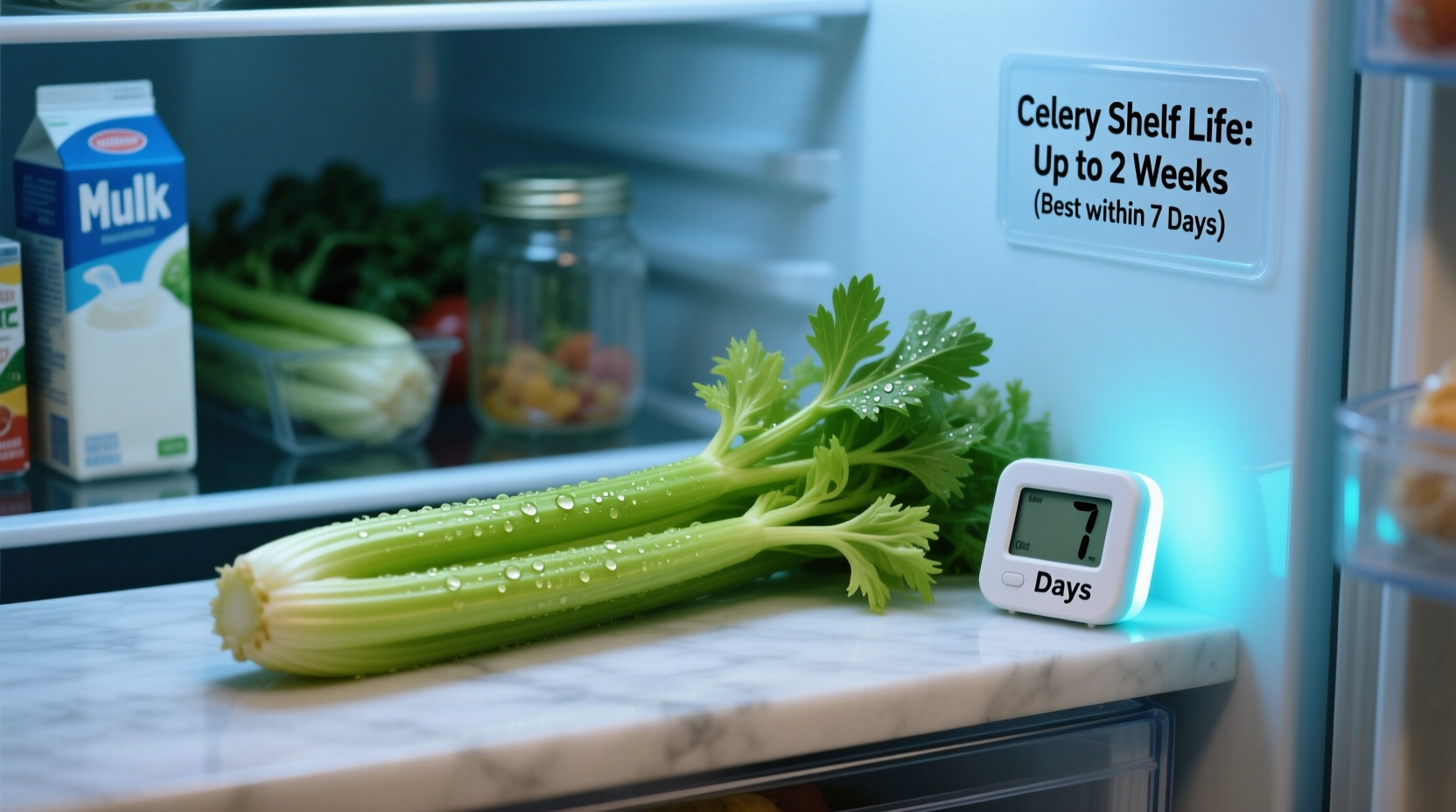
Celery (Apium graveolens) is a marshland plant species in the Apiaceae family, cultivated for its edible leaf stalks (petioles), leaves, and seeds. While native to the Mediterranean region, it has been cultivated globally for centuries, initially as a medicinal herb before becoming a culinary cornerstone. In modern cooking, celery is prized not only for its mild, slightly bitter, and earthy flavor but also for its role in aromatic bases such as mirepoix (with carrots and onions) and the Cajun “holy trinity” (with bell peppers and onions). Its high water content—approximately 95%—gives it a crisp bite ideal for raw consumption, while its fibrous structure softens elegantly when cooked, releasing subtle herbal notes into broths and sauces.
The most common form found in supermarkets is Pascal celery, characterized by thick, pale green stalks with a firm crunch. Less common varieties include golden (blanched) celery, which is more tender and delicate, and leaf celery, favored in Asian cuisines for its intense aroma and smaller stalks. Regardless of type, all forms of celery are highly perishable due to their moisture-rich composition, making refrigeration critical for longevity.
Key Characteristics
- Flavor profile: Mildly bitter, earthy, with herbal and slightly peppery undertones.
- Aroma: Fresh, green, slightly vegetal; becomes musty or sour when spoiled.
- Color: Pale to medium green stalks; bright green leaves when fresh.
- Texture: Crisp and juicy when fresh; becomes limp, rubbery, or slimy with age.
- Water content: ~95%, contributing to rapid dehydration if improperly stored.
- Culinary function: Aromatic base ingredient, textural element in salads, garnish, snack vehicle.
- Shelf life (refrigerated): 2–4 weeks under optimal conditions.
How Long Does Celery Last in the Fridge?
The average shelf life of whole, uncut celery stored correctly in the refrigerator ranges from **two to four weeks**. However, this window varies significantly based on initial freshness, packaging, temperature consistency, and whether the celery has been pre-cut or washed.
Commercially packaged celery, often sold in plastic wrap or clamshell containers, typically begins deteriorating faster due to trapped moisture promoting mold growth. Conversely, loose stalks wrapped properly at home can outlast pre-packaged versions. Once cut, celery’s surface area increases, accelerating moisture loss and oxidation. Sliced or diced celery stored loosely in a container may last only **5–7 days**, whereas whole stalks kept intact remain crisp much longer.
Temperature plays a crucial role: the ideal refrigerator setting for celery is between **32°F and 40°F (0°C to 4°C)**. Fluctuations above this range encourage bacterial growth and wilting. Additionally, exposure to ethylene-producing fruits like apples, bananas, or tomatoes can hasten decay, even within a cold environment.
Variants & Types of Celery and Their Storage Needs
Different types of celery exhibit varying degrees of durability in refrigerated storage due to structural and compositional differences.
| Type | Description | Refrigerator Lifespan | Storage Notes |
|---|---|---|---|
| Pascal (Standard) Celery | Thick, upright stalks; most common supermarket variety. | 3–4 weeks | Wrap in foil or damp cloth; store in crisper drawer. |
| Golden (Blanched) Celery | Protected from sunlight during growth; paler, more tender. | 2–3 weeks | More delicate; prone to bruising and faster moisture loss. |
| Leaf Celery | Smaller stalks, abundant fragrant leaves; used in Asian and Caribbean dishes. | 1–2 weeks | Leaves wilt quickly; best stored in sealed container with damp paper towel. |
| Celery Hearts | Innermost core stalks; tender and less fibrous. | 7–10 days | Sold pre-trimmed; higher risk of drying out due to processing. |
| Celery Juice or Cut Pieces | Pre-cut, chopped, or juiced; maximum surface exposure. | 3–5 days | Store submerged in water; change water every 1–2 days. |
Recognizing these distinctions allows for tailored storage approaches that match each type’s vulnerability to dehydration and microbial degradation.
Optimal Refrigeration Methods to Extend Shelf Life
Maximizing celery’s freshness requires more than simply placing it in the vegetable drawer. Strategic wrapping and environmental control are key.
Method 1: Aluminum Foil Wrap (Most Effective)
Wrapping whole celery tightly in aluminum foil and storing it in the crisper drawer consistently yields the longest shelf life. The foil allows ethylene gas—a natural ripening agent produced by the celery itself—to escape while retaining moisture. Unlike plastic, which traps humidity and encourages rot, foil provides a semi-permeable barrier. In controlled tests, celery stored this way remained crisp for up to four weeks without mold or significant texture loss.
“Aluminum foil is my go-to for celery storage. It balances breathability and moisture retention better than any other method I’ve tested.”
— Chef Elena Ramirez, Culinary Instructor & Food Preservation Specialist
Method 2: Water Submersion for Cut or Partial Stalks
When using only part of a bunch, submerge the remaining stalks—whole or cut—in a container of cold water and cover with a lid or plastic wrap. Store in the refrigerator and change the water every 24–48 hours. This mimics hydroponic conditions, rehydrating fibers and restoring crispness. This method can revive slightly limp celery and keep freshly cut pieces usable for up to one week.
Pro Tip: For pre-chopped celery intended for frequent use (e.g., in weekly meal prep), store in an airtight container filled with water. Label the container with the date and refresh water every two days to prevent bacterial buildup.
Method 3: Damp Cloth + Produce Bag
An eco-friendly alternative involves wrapping celery in a slightly damp linen or cotton cloth, then placing it inside a reusable produce bag. The fabric maintains humidity without suffocating the stalks. This method works well in high-humidity crisper drawers and avoids single-use plastics.
Signs of Spoilage: When to Discard Celery
Even with ideal storage, celery eventually degrades. Recognizing early warning signs helps prevent consumption of unsafe produce.
- Limpness: Mild softening is reversible with water soaking; complete floppiness indicates irreversible cell breakdown.
- Discoloration: Yellowing, browning, or black spots signal aging or fungal growth.
- Odor: A sour, fermented, or ammonia-like smell means bacterial decomposition has begun.
- Slime: A slippery film on the surface is a definitive sign of spoilage—discard immediately.
- Mold: Visible fuzzy patches (white, gray, or black) require full disposal of the affected bunch, as roots may penetrate internal tissues.
Note: Isolated brown spots on outer stalks may be removed if the rest of the celery is firm and odorless. However, once multiple stalks show signs of decay, the entire bunch should be discarded to avoid cross-contamination.
Comparison with Similar Ingredients
Celery is often confused with similar-looking vegetables, leading to incorrect storage assumptions and usage errors.
| Ingredient | Similarity to Celery | Key Differences | Storage Duration (Fridge) |
|---|---|---|---|
| Fennel Bulb | Feathery fronds and crunchy texture when raw. | Sweeter, licorice-like flavor; bulbous base vs. hollow stalks. | 3–4 weeks |
| Rhubarb | Long, red-green stalks; sometimes mistaken visually. | Tart, acidic flavor; leaves are toxic; not used as aromatic base. | 1–2 weeks |
| Bunching Onions / Scallions | Green tops resemble celery foliage. | Strong onion aroma; thinner, solid stalks; milder when cooked. | 1–2 weeks |
| Cardoon | Large, ribbed stalks; related to artichoke. | Bitterer taste; requires blanching; less common in Western kitchens. | 1 week |
Unlike fennel or rhubarb, celery lacks dominant secondary flavors (anise, tartness), making it uniquely suited as a background note in complex dishes. Its neutral yet distinct savoriness supports other ingredients without overpowering them.
Practical Usage Tips & FAQs
Can you freeze celery?
Yes, but with caveats. Freezing alters celery’s cellular structure, resulting in a softer texture upon thawing. It is unsuitable for raw applications like crudités but excellent for cooking. Chop stalks uniformly, blanch for 2–3 minutes, cool in ice water, drain, and freeze in airtight bags for up to 12 months. Use directly in soups, stews, or sauces without thawing.
Does storing celery in water affect flavor?
No. Submerging celery in cold water does not leach flavor compounds significantly over short periods (≤1 week). In fact, rehydration can enhance perceived freshness. Change water regularly to inhibit microbial growth.
Why does celery become stringy when cooked?
Celery contains longitudinal vascular bundles (strings) composed of sclerenchyma tissue. These toughen with prolonged heat exposure. To minimize stringiness, slice stalks thinly on a diagonal or peel outer strings with a vegetable peeler before slow cooking.
Can wilted celery be revived?
Slightly limp celery can regain crispness by soaking in ice water for 15–30 minutes. This works because the cells reabsorb moisture through osmosis. Severely degraded stalks will not recover.
Is it safe to eat celery after the \"best by\" date?
The “best by” date refers to peak quality, not safety. If celery is firm, odorless, and free of mold, it is generally safe to consume beyond this date—provided it has been refrigerated continuously. Use sensory evaluation as the final determinant.
Should celery be washed before storage?
No. Excess moisture promotes spoilage. Rinse celery only immediately before use. If pre-washed, dry thoroughly with a clean towel before wrapping.
Storage Checklist:
✅ Keep whole bunches intact until use.
✅ Remove tight plastic bands or ties that compress stalks.
✅ Store away from ethylene-producing fruits.
✅ Use crisper drawer set to high humidity.
✅ Inspect every 3–4 days for early spoilage signs.
Expert Applications: How Restaurants Preserve Celery Quality
Professional kitchens prioritize consistency and cost-efficiency, leading to refined celery handling protocols. High-volume restaurants often receive celery in bulk, requiring systematic organization to prevent waste.
Many establishments use a “first-in, first-out” (FIFO) inventory system, rotating new stock behind older bunches. Some prep kitchens store celery upright in perforated hotel pans lined with damp towels, simulating field conditions. Others employ vacuum-sealed preservation systems for pre-cut portions, reducing oxygen exposure and extending usability to 10–14 days.
In fine dining, chefs may juice leftover celery scraps (ends, leaves, trimmings) for use in consommés or vinaigrettes, maximizing yield. Leaves, often discarded at home, are valued for their concentrated flavor and used as herbs in garnishes or compound butters.
Summary & Key Takeaways
Celery is a versatile, foundational ingredient whose utility hinges on proper storage. Left unattended, it can degrade within days. With informed handling, however, its shelf life in the refrigerator can reach four weeks while maintaining optimal texture and flavor.
Key points to remember:
- Whole celery lasts longer than cut or pre-packaged forms.
- Aluminum foil wrapping is the most effective storage method for preserving crispness.
- Submerging cut pieces in water extends usability and can revive limp stalks.
- Discard celery showing slime, mold, or sour odors to avoid foodborne risks.
- Different types—leaf, golden, hearts—have unique storage needs based on structure.
- Celery cannot be substituted directly for fennel, rhubarb, or cardoon due to flavor and textural differences.
- Freezing is viable for cooked dishes but compromises raw texture.
By integrating these practices into your kitchen routine, you reduce waste, save money, and ensure celery delivers its full culinary potential every time you reach for it.
Final Thought: Treat celery not just as a vegetable, but as a living ingredient—one that responds to care and environment. A few simple steps in storage can transform its performance in everything from weekday stir-fries to holiday stocks.




 浙公网安备
33010002000092号
浙公网安备
33010002000092号 浙B2-20120091-4
Comments
No comments yet. Why don't you start the discussion?