
When summer temperatures rise, a malfunctioning central air conditioning system can quickly turn your home into an uncomfortable sauna. Unlike window units, central AC cools your entire house through a network of ducts and vents, making its failure especially disruptive. While some issues require professional repair, many common problems can be diagnosed—and sometimes resolved—by homeowners with basic knowledge and tools. Understanding why your central AC stopped working is the first step toward restoring comfort without unnecessary service calls or costly delays.
Common Causes of Central AC Failure
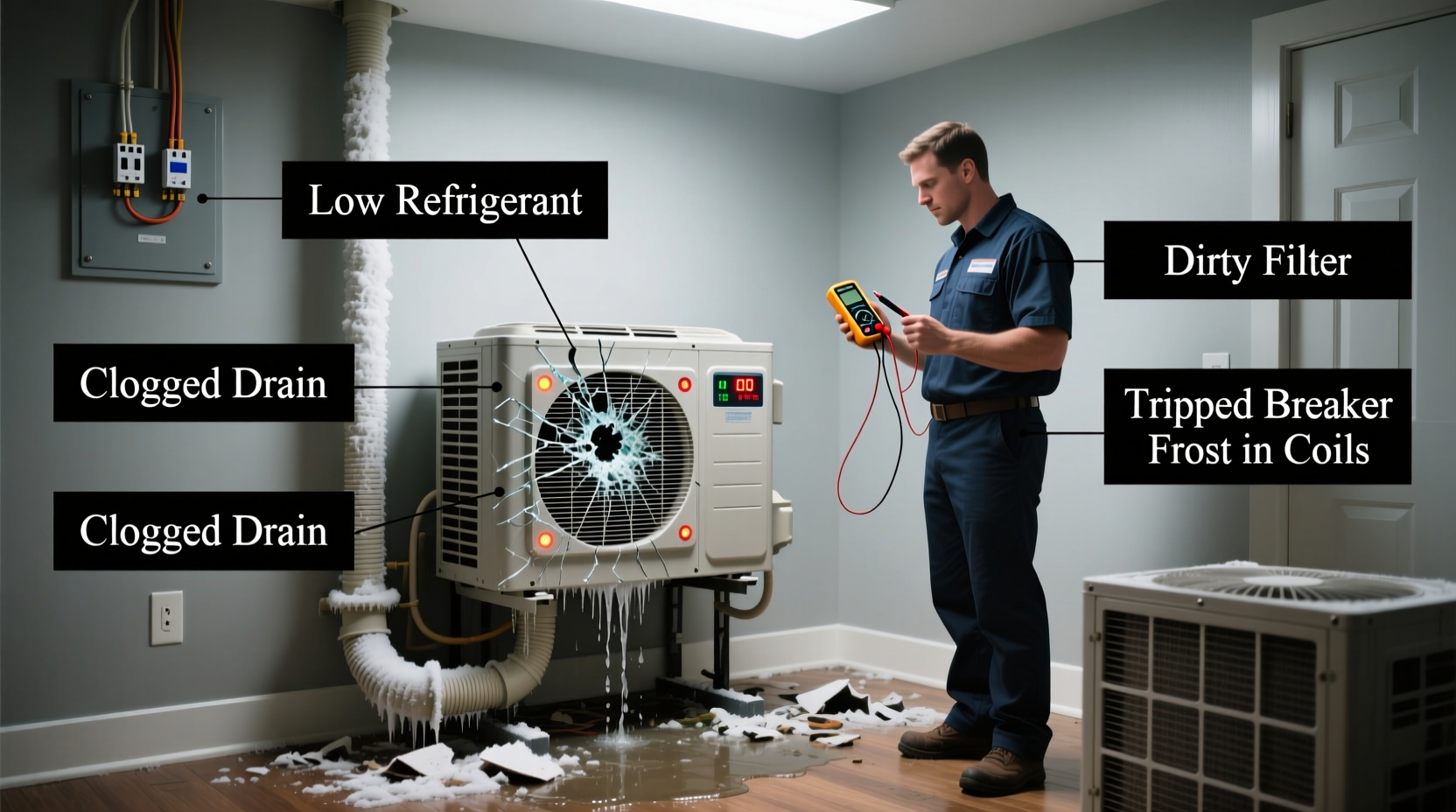
Central air conditioners are complex systems involving electrical components, refrigerants, airflow mechanisms, and thermostats. When one part fails, the whole system may shut down. The following are among the most frequent culprits behind AC breakdowns:
- Thermostat malfunctions: A misconfigured or failing thermostat may not signal the AC to turn on.
- Clogged air filters: Restricted airflow from dirty filters causes strain on the system and can trigger safety shutoffs.
- Tripped circuit breaker: Overloaded circuits or short circuits in the HVAC system often trip the breaker.
- Frozen evaporator coil: Low refrigerant or poor airflow leads to ice buildup that stops cooling.
- Dirty outdoor condenser unit: Leaves, dirt, or debris block heat dissipation, reducing efficiency or halting operation.
- Low refrigerant levels: Leaks reduce cooling capacity and can damage the compressor if ignored.
- Failing capacitor: This small but critical component starts the compressor and fan motor; when it dies, the system won’t turn on.
- Blower motor issues: If the indoor blower isn’t running, air won’t circulate—even if cooling occurs.
Troubleshooting Checklist: What to Do When Your AC Won’t Turn On
Before calling a technician, go through this systematic checklist to identify and possibly resolve the issue yourself. Many problems have simple fixes that take less than 10 minutes.
- Verify thermostat settings: Ensure it’s set to “Cool” and the temperature is lower than the current room reading. Try lowering it by 5°F to trigger the system.
- Check power sources: Confirm the thermostat has power (replace batteries if needed). Inspect the furnace switch and ensure it’s in the “On” position.
- Inspect the circuit breaker: Go to your electrical panel and look for any tripped breakers labeled “HVAC” or “AC.” Reset if necessary.
- Examine the outdoor unit: Make sure nothing is blocking airflow around the condenser. Remove leaves, grass clippings, or debris within 2 feet of the unit.
- Listen for unusual sounds: A humming noise without startup may indicate a failed capacitor. Clicking sounds could point to relay or control board issues.
- Check air filter condition: Replace if visibly dirty. A clogged filter restricts airflow and can cause system shutdowns.
- Look for ice buildup: If the indoor evaporator coil or refrigerant lines are frosted, turn off the system and let it thaw before proceeding.
When to Call a Professional: Signs Beyond DIY Fixes
While homeowners can handle basic maintenance and diagnostics, certain symptoms require licensed HVAC technicians. Refrigerant handling, electrical repairs, and compressor diagnostics involve specialized tools and certifications.
| Symptom | DIY Fix Possible? | Professional Required? |
|---|---|---|
| Thermostat unresponsive | Yes (battery replacement, recalibration) | No, unless wiring is faulty |
| Breaker keeps tripping | Limited (reset once) | Yes (indicates short or overload) |
| Frozen evaporator coil | Yes (clean filter, wait for thaw) | Only if recurring (refrigerant leak likely) |
| Hissing or bubbling sound | No | Yes (possible refrigerant leak) |
| Burning smell or smoke | No | Immediately (electrical hazard) |
| Capacitor bulging or leaking | No (dangerous to handle) | Yes (requires replacement by pro) |
“Homeowners often overlook simple fixes like resetting breakers or replacing filters, but persistent issues—especially those involving refrigerant or electrical faults—should never be self-repaired.” — James Rutherford, Master HVAC Technician with 18 years of field experience
Real-World Example: Diagnosing a Silent Outdoor Unit
In suburban Atlanta, Sarah noticed her house wasn’t cooling despite the thermostat reading 72°F. She verified the AC was set to “Cool,” but heard no activity outside. After checking the breaker (which had tripped), she reset it—but it tripped again within seconds. Recognizing this as a red flag, she called an HVAC company instead of repeatedly resetting the breaker.
The technician discovered a seized compressor drawing excessive current, which caused the repeated trips. Replacing the compressor cost more than routine maintenance would have, but prevented further electrical damage. Sarah now schedules annual tune-ups every spring—a habit that could prevent future emergencies.
Preventive Maintenance Tips to Avoid Future Breakdowns
Regular upkeep extends the life of your central AC and reduces emergency failures. Most manufacturers recommend professional servicing at least once per year, ideally before peak cooling season.
- Replace air filters every 30–90 days, depending on usage and indoor air quality.
- Clean the condenser coils annually using a garden hose (after turning off power).
- Keep vegetation trimmed back at least 18 inches from the outdoor unit.
- Inspect drain lines monthly during heavy use to prevent clogs and water damage.
- Install a smart thermostat to monitor system performance and receive alerts for irregularities.
Frequently Asked Questions
Why is my AC running but not cooling?
This typically indicates low refrigerant, a dirty evaporator coil, or a malfunctioning compressor. Air may blow, but lack chill. Turn off the system and contact a technician to check for leaks or mechanical failure.
How long should a central AC last?
With proper maintenance, most systems last 12–15 years. Units older than 10 years may benefit from evaluation for efficiency upgrades or replacement, especially if repair costs exceed $500.
Can I jump-start my AC capacitor to test it?
No. Capacitors store high voltage and can deliver dangerous shocks even when power is off. Testing requires a multimeter and safety precautions best left to professionals.
Conclusion: Act Fast, Stay Cool
A non-functional central AC doesn’t always mean disaster. Simple oversights like a misplaced thermostat setting or a tripped breaker can mimic major failures. By following a logical troubleshooting process, you can often restore cooling quickly and avoid unnecessary service fees. However, knowing when to step back and call a certified technician is equally important—for your safety and your system’s longevity. Don’t wait until the next heatwave to act. Perform regular checks, schedule annual maintenance, and keep your HVAC professional’s number handy. Your comfort depends on it.




 浙公网安备
33010002000092号
浙公网安备
33010002000092号 浙B2-20120091-4
Comments
No comments yet. Why don't you start the discussion?