
If you’ve recently browsed home goods stores, scrolled through Instagram aesthetics, or walked into a minimalist café, you might have noticed a subtle but growing trend: handleless ceramic cups. Sleek, sculptural, and often inspired by Japanese or Scandinavian design, these vessels are replacing the familiar handled mug on many shelves. But does this mean handles are disappearing for good? Or is there more beneath the surface than meets the eye?
The answer isn’t straightforward. While traditional ceramic mugs with sturdy handles remain dominant in homes and offices, a quiet evolution is underway—one shaped by design philosophy, material innovation, and changing consumer values. Let’s examine whether handles are truly going out of style or if what we’re seeing is simply diversification in form and function.
The Rise of the Handleless Cup
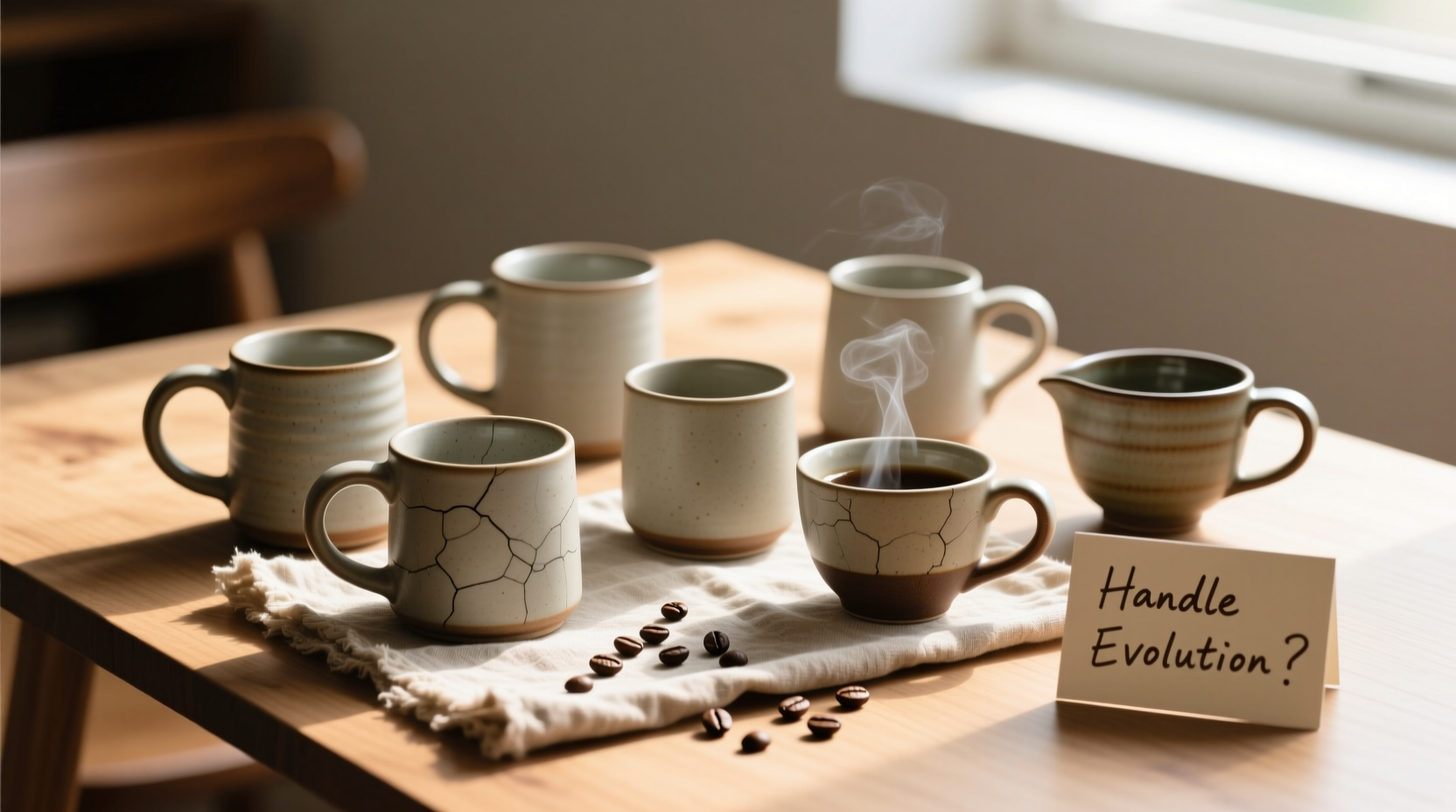
In recent years, handleless ceramic drinkware has gained traction among designers and lifestyle enthusiasts. Often labeled as “tea bowls,” “donburi-style” cups, or “modern pour-overs,” these pieces emphasize tactile experience and aesthetic minimalism. Influenced heavily by wabi-sabi principles and Zen-inspired ceramics, they prioritize imperfection, natural textures, and organic shapes over utility-first design.
Brands like Muji, Katazome, and independent Etsy artisans have popularized these forms, especially for loose-leaf tea, matcha, and specialty coffee rituals. Social media platforms amplify their appeal—photos of steaming matcha in a hand-thrown, unglazed cup look effortlessly artistic compared to a standard office mug.
Why Handles Still Matter: Function Over Form
Despite the visual allure of handleless designs, functional limitations remain. A handle serves a critical purpose: it insulates your hand from hot liquids. Ceramic conducts heat efficiently, meaning even medium-hot drinks can become uncomfortable—or unsafe—to hold after a few minutes without insulation.
Handles also improve grip stability, especially for larger volumes (12 oz and above). This becomes crucial in households with children, elderly users, or anyone prone to slips. In commercial settings like cafes and restaurants, durability and safety regulations often mandate handles for hot beverage service.
“Ergonomics haven’t changed just because aesthetics have. The handle remains one of the most effective solutions to thermal transfer in ceramic drinkware.” — Dr. Lena Torres, Industrial Designer & Material Scientist at RISD
Design Trends vs. Practical Reality: A Comparison
| Feature | Handled Mugs | Handleless Cups |
|---|---|---|
| Heat Safety | High – provides insulation | Low – direct contact with hot body |
| Ease of Use | Easy for all ages and abilities | Requires care; less accessible |
| Stackability & Storage | Varies – some stack poorly due to protruding handles | Often stack neatly; space-efficient |
| Aesthetic Appeal | Classic, familiar, utilitarian | Modern, artistic, photogenic |
| Durability | Handle may chip or break over time | No weak points from protrusions |
This comparison shows that while handleless cups win in compactness and visual elegance, they compromise on accessibility and thermal comfort. Meanwhile, handled mugs continue to dominate in environments where usability trumps presentation.
Mini Case Study: The Café Experiment
In 2023, a small Brooklyn-based coffee roaster, *Hearth & Grind*, decided to test customer reactions to serving lattes in handleless stoneware cups during weekend pop-ups. The goal was to elevate the sensory experience and align with their “slow coffee” branding.
Results were mixed. Younger customers (ages 25–35) praised the cups’ uniqueness and posted widely on social media. However, nearly 60% returned their drinks unfinished, citing discomfort holding the hot vessel. Older patrons outright refused the new style. After four weeks, the café reverted to traditional handled mugs for takeaway and introduced handleless options only for seated guests with saucers.
The takeaway? Niche appeal doesn’t always translate to mainstream adoption, especially when core functionality is compromised.
Are Handles Disappearing—or Just Evolving?
Rather than vanishing, handles are undergoing transformation. Designers are reimagining them—not eliminating them. We now see:
- Minimalist cutouts: Instead of bulky loops, thin arches or finger notches maintain grip while reducing visual weight.
- Textured grips: Ribbed or indented areas on otherwise smooth mugs improve handling without traditional handles.
- Dual-use forms: Some mugs feature removable silicone sleeves that act as both handle and insulator, blending old and new concepts.
These innovations suggest an evolution rather than extinction. Consumers want beauty and practicality—why choose one when thoughtful design can offer both?
Checklist: Choosing the Right Mug for Your Lifestyle
Before jumping on a trend or discarding your old favorites, consider your actual usage patterns. Use this checklist to make an informed decision:
- Do I typically drink hot beverages straight away, or do they sit for long periods? → Longer sitting favors insulated handles.
- Do I multitask while drinking (e.g., working, commuting)? → Handles reduce spill risk.
- Is ease of cleaning important? → Handle crevices can trap residue; seamless cups are easier to rinse.
- Do I value display and aesthetics in my kitchen? → Handleless or artistically shaped mugs work well here.
- Am I serving guests regularly? → Offer a mix: functional mugs for daily use, statement pieces for special moments.
FAQ
Are handleless mugs dishwasher safe?
Most ceramic handleless mugs are dishwasher safe, provided they’re made from high-fired stoneware or porcelain. Avoid placing delicate handmade pieces in dishwashers unless explicitly labeled as safe.
Can I use a handleless mug for coffee-to-go?
Not recommended. Without a handle or sleeve, the cup becomes difficult to carry safely once hot. For takeaway, always opt for handled, double-walled, or insulated designs.
Why are so many influencers using handleless cups?
Visual storytelling drives social media trends. Handleless cups photograph cleanly, fit minimalist aesthetics, and signal intentionality around ritual and mindfulness—even if they’re not used daily.
Conclusion: Style Shifts, But Utility Endures
Handles aren’t going out of style—they’re being reconsidered. What appears to be a decline is actually a broader expansion of choice. Today’s market accommodates both the timeless diner-style mug and the artisanal tea bowl, each serving different needs and contexts.
You’re not missing anything fundamental; you’re witnessing a moment of design pluralism. The best approach isn’t to abandon handles or embrace handleless fashion wholesale, but to understand your own habits and select accordingly. Whether you prefer the reliability of a classic C-shaped grip or the meditative simplicity of cradling a warm bowl in both hands, the right mug is the one that fits your life—not someone else’s feed.




 浙公网安备
33010002000092号
浙公网安备
33010002000092号 浙B2-20120091-4
Comments
No comments yet. Why don't you start the discussion?