
In 2025, the global conversation around sustainability, health, and mindful consumption has reached a tipping point. One area where this shift is most evident—and long overdue—is in our kitchens. Specifically, the choice between ceramic and plastic tableware. While plastic once promised convenience and durability, its environmental toll, health risks, and aesthetic limitations have made it increasingly obsolete. Ceramic, on the other hand, offers a durable, non-toxic, and elegant alternative that aligns with modern values. If you're still reaching for plastic plates and bowls, it's time to reconsider.
The Hidden Cost of Plastic Tableware
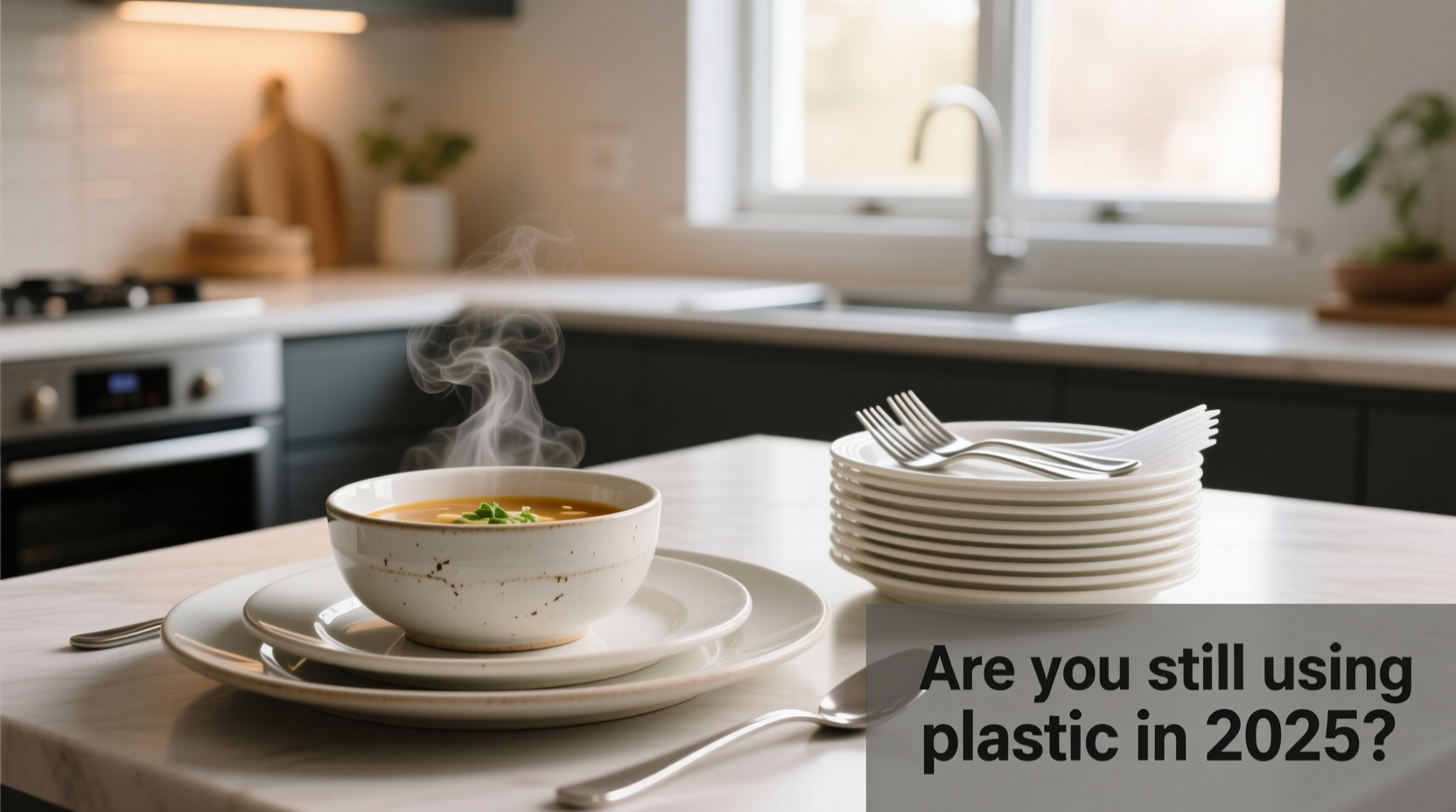
Plastic dishes were once celebrated for their light weight, affordability, and shatter resistance. But decades of widespread use have revealed serious downsides. Most disposable and reusable plastic tableware contains chemicals like BPA, phthalates, and microplastics that can leach into food—especially when exposed to heat. Studies show that even short-term exposure to heated plastic containers increases microplastic ingestion, which has been linked to hormonal disruption, reproductive issues, and long-term cellular damage.
Beyond health concerns, plastic’s environmental impact is staggering. The average plastic plate takes over 500 years to decompose, often breaking down into microplastics that infiltrate water systems and wildlife. In 2025, single-use plastics are banned or heavily restricted in over 60 countries, and consumer demand for sustainable alternatives continues to grow.
Why Ceramic Is the Superior Choice
Ceramic tableware has been used for thousands of years across civilizations—from ancient Chinese porcelain to Mediterranean earthenware. Today’s ceramics combine traditional craftsmanship with modern engineering for unmatched durability and safety.
Made from natural materials like clay, quartz, and feldspar, ceramic dishes are fired at high temperatures, creating a dense, inert surface that doesn’t react with food. Unlike plastic, ceramic won’t absorb odors, stains, or bacteria over time. It’s also naturally heat-resistant, making it safe for ovens, microwaves, and dishwashers without degradation.
Aesthetically, ceramic offers warmth and elegance that plastic simply can’t match. From minimalist matte finishes to hand-glazed artisan pieces, ceramic enhances the dining experience by engaging multiple senses—not just taste, but touch and sight as well.
“Switching to ceramic isn’t just about style—it’s a public health imperative. We’re seeing fewer cases of endocrine disruption in households that eliminate plastic from food contact surfaces.” — Dr. Lena Torres, Environmental Health Researcher at the Global Wellness Institute
Ceramic vs Plastic: A Side-by-Side Comparison
| Feature | Ceramic Tableware | Plastic Tableware |
|---|---|---|
| Material Source | Natural minerals (clay, silica) | Petroleum-based polymers |
| Heat Resistance | Oven, microwave, and freezer safe | Limited; warps or leaches when heated |
| Toxicity | Non-reactive; no chemical leaching | May release BPA, phthalates, microplastics |
| Lifespan | 5–15+ years with care | 1–3 years (cracks, discolors) |
| Environmental Impact | Biodegradable, recyclable, low carbon footprint | Non-biodegradable, contributes to pollution |
| Aesthetic Value | High; enhances dining experience | Low; utilitarian appearance |
Real-Life Shift: A Family’s Transition to Ceramic
The Patel family of Vancouver made headlines in early 2024 when they launched a social media campaign called “Plastic-Free Plates.” After their youngest child developed unexplained rashes and digestive issues, they consulted a pediatric environmental medicine specialist who recommended eliminating all plastic foodware. Within six weeks of switching to ceramic dishes, the child’s symptoms improved significantly.
They replaced every plastic item in their kitchen—plates, bowls, cups, and cutlery trays—with durable stoneware and porcelain. They also started buying in bulk to reduce packaging waste. “We didn’t realize how much plastic we were using daily,” said Meera Patel. “Now, our meals feel more intentional. Even our kids say food tastes better on real plates.”
Their story sparked a local movement, with three schools in their district phasing out plastic lunch trays in favor of reusable ceramic ones—a move projected to eliminate over 18 tons of plastic waste annually.
How to Make the Switch: A Step-by-Step Guide
Transitioning from plastic to ceramic doesn’t require an overnight overhaul. Follow this practical timeline to make the change sustainable and affordable.
- Assess Your Current Collection (Week 1): Take inventory of all plastic tableware in your home. Note frequency of use and condition.
- Set a Replacement Budget (Week 2): Allocate a modest monthly amount—$20–$30—for new ceramic pieces. Prioritize items used daily.
- Start with Essentials (Week 3–4): Purchase a 4-piece dinner set (plates, bowls). Choose neutral colors for versatility.
- Phase Out Plastic Gradually (Month 2–3): As plastic items crack or wear out, replace them with ceramic equivalents.
- Donate or Recycle Responsibly (Ongoing): Avoid landfill. Donate usable plastic to shelters or recycling centers that accept rigid plastics.
- Educate Household Members (Final Step): Explain the health and environmental reasons behind the switch to ensure buy-in.
Checklist: Choosing the Right Ceramic Tableware
- ✅ Made from stoneware or porcelain (most durable)
- ✅ Free of lead and cadmium in glaze
- ✅ Microwave, oven, and dishwasher safe
- ✅ Weighted base for stability (especially for children)
- ✅ Smooth edges to prevent chipping
- ✅ Produced by eco-conscious brands with transparent sourcing
- ✅ Designed for longevity, not fast trends
Frequently Asked Questions
Isn’t ceramic more likely to break than plastic?
While ceramic is more brittle than plastic, modern stoneware and porcelain are highly chip-resistant. With normal use and proper storage, ceramic dishes last far longer than plastic. Plus, broken ceramic is safer for the environment than discarded plastic.
Is ceramic really better for the planet?
Yes. Although ceramic requires energy to fire, its lifespan offsets emissions. One ceramic plate used for 10 years replaces hundreds of disposable plastic plates. Additionally, ceramic is inert and won’t pollute soil or water when disposed of.
What if I need portable tableware for picnics or travel?
For on-the-go needs, consider bamboo fiber or stainless steel alternatives. These are safer than plastic and more sustainable. Reserve ceramic for home use where durability and aesthetics matter most.
Make the Change in 2025—Your Health and Planet Depend On It
The year 2025 marks a turning point in how we view everyday objects. What was once seen as harmless convenience—plastic tableware—is now recognized as a persistent threat to human health and ecological balance. Ceramic offers a proven, elegant, and responsible alternative that honors both tradition and innovation.
You don’t need to discard everything at once. Start small. Replace one plastic bowl with a ceramic one. Notice the difference in weight, temperature, and presentation. Over time, these choices accumulate into meaningful change—better health, less waste, and a more mindful relationship with what you eat and how you serve it.




 浙公网安备
33010002000092号
浙公网安备
33010002000092号 浙B2-20120091-4
Comments
No comments yet. Why don't you start the discussion?