
A small accessory like a keychain may seem insignificant, but for many fashion-conscious individuals, it's more than just a functional item—it’s a statement. In recent years, luxury brands like Chanel have expanded their offerings to include even the smallest accessories, with keychains often retailing between $200 and $400. Meanwhile, generic designer-style keychains from third-party sellers can be found for under $30. The question arises: is the Chanel name—and the premium price—really worth it?
This article examines the tangible and intangible differences between a genuine Chanel keychain and its generic counterparts. From craftsmanship and materials to emotional value and resale potential, we break down what you’re actually paying for when you choose a luxury label over an affordable alternative.
Craftsmanship and Materials: What You’re Paying For
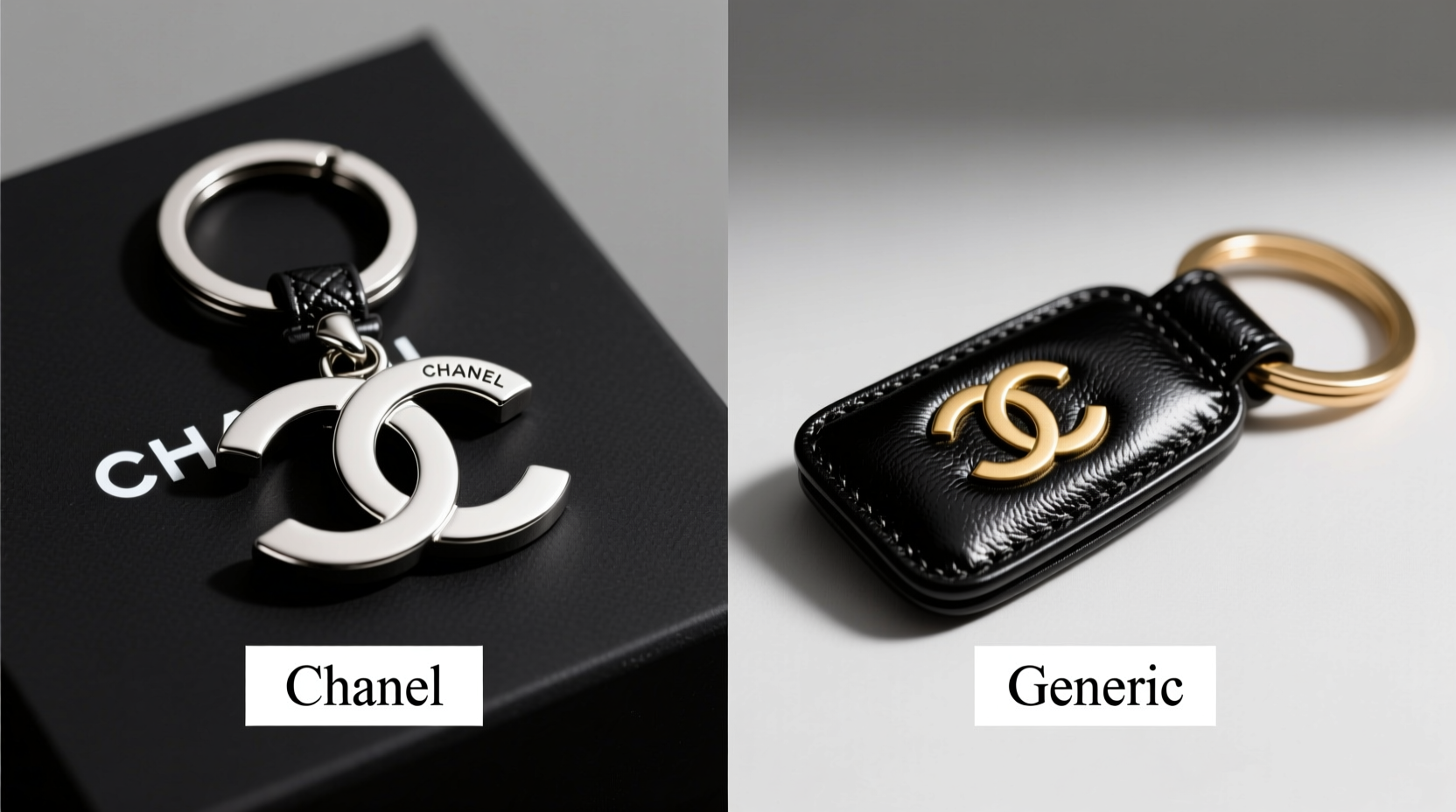
Luxury brands like Chanel are known for their meticulous attention to detail. A Chanel keychain is typically made from high-grade metals such as brass or palladium-coated alloys, with finishes that resist tarnishing. The iconic interlocking CC logo is precisely engraved or cast, not printed or sticker-applied. Even the leather accents, if present, use lambskin or caviar-textured calfskin—the same materials used in their handbags.
In contrast, most generic \"designer-style\" keychains rely on cheaper zinc alloys, plastic components, and surface-level printing. While they may mimic the appearance of a Chanel keychain at first glance, closer inspection often reveals uneven edges, flaking paint, and weak chain links prone to snapping.
Longevity and Durability Comparison
One of the most practical considerations is how long the keychain will last. A Chanel keychain, properly cared for, can remain intact for decades. Its metal components resist corrosion, and the hardware maintains its shine even with daily use. Many owners report using their Chanel keychains daily for five or more years without noticeable wear.
Generic versions, however, tend to degrade within months. Paint chips off logos, chains rust or snap, and clasps loosen. This short lifespan means you may need to replace a generic keychain several times to match the longevity of a single Chanel piece—potentially making the luxury option more cost-effective over time.
“Luxury accessories aren’t just about aesthetics—they’re engineered for endurance. That’s why a $300 keychain might outlast ten $30 ones.” — Daniel Reyes, Accessories Curator at Luxe Collective
Resale Value and Investment Potential
Unlike most accessories, certain Chanel items—even small ones—retain or increase in value over time. Pre-owned Chanel keychains regularly resell for 70–90% of their original retail price on platforms like Vestiaire Collective or Rebag. Limited editions or those tied to specific collections (like the Chanel Coco Neige line) can even appreciate.
Generic keychains, on the other hand, have no secondary market. Once purchased, their value drops to zero. There’s no authentication process, no collector interest, and no expectation of appreciation.
| Feature | Chanel Keychain | Generic Designer Keychain |
|---|---|---|
| Material Quality | Premium metals, real leather | Zinc alloy, plastic, faux leather |
| Expected Lifespan | 5+ years (with care) | 6–18 months |
| Resale Value | 70–100% of retail | None |
| Brand Authentication | Serial numbers, hologram stickers | No verification available |
| Emotional/Status Value | High (brand prestige) | Low to moderate |
Psychological and Social Factors
Beyond physical quality, there’s a psychological component to owning a branded item. For some, attaching a Chanel keychain to a bag or keys provides a sense of identity, achievement, or belonging to a certain lifestyle. It signals taste, success, and attention to detail—even if only subtly.
Conversely, generic versions may trigger doubts. Users often report feeling self-conscious, especially in social circles where authenticity is valued. One user shared: “I bought a knockoff because I loved the look, but every time someone looked at my bag, I worried they’d notice it wasn’t real.”
Mini Case Study: Sarah’s Dilemma
Sarah, a 32-year-old marketing executive, faced this choice when accessorizing her new Chanel flap bag. She wanted the matching CC keychain but hesitated at the $350 price tag. Instead, she bought a $25 version online that looked nearly identical in photos.
Within four months, the gold plating wore off, revealing a gray base metal. The chain broke during a commute, and she lost the charm. Embarrassed, she replaced it with the authentic Chanel keychain. “It hurt to spend the money twice,” she said, “but now I know what I was paying for. The real one feels solid, looks perfect, and I don’t worry about it breaking.”
When a Generic Option Makes Sense
That said, a generic designer-style keychain isn’t always a poor choice. It can be practical in certain situations:
- Budget constraints: If $350 is simply out of reach, a well-made generic can offer visual appeal without financial strain.
- Trend experimentation: Want to try a bold style before committing? A low-cost version lets you test aesthetics risk-free.
- Temporary use: For travel, gym bags, or rental car keys, a disposable keychain makes sense.
Checklist: Choosing the Right Keychain for You
- Assess your budget—can you afford replacement costs if a generic fails?
- Determine usage frequency—will it be on your daily bag or occasional tote?
- Consider emotional value—do you want the pride of ownership?
- Research resale potential—if you might sell later, authenticity matters.
- Evaluate craftsmanship—compare weight, finish, and materials side by side.
- Think long-term—are you prioritizing savings now or value over time?
Expert Insight: The Hidden Cost of Imitations
“People underestimate how much small luxuries contribute to daily joy. A well-made keychain doesn’t just last—it feels good in your hand, clicks satisfyingly, and reminds you of a personal milestone. That’s hard to replicate with a mass-produced copy.” — Clara Nguyen, Luxury Lifestyle Coach
Nguyen emphasizes that luxury purchases should be evaluated not just on utility, but on holistic experience. “The ‘worth’ isn’t always in function. Sometimes it’s in the ritual, the memory, the confidence it gives you when you grab your keys in the morning.”
Frequently Asked Questions
Can you tell the difference between a real Chanel keychain and a fake?
Yes, especially upon close inspection. Authentic pieces have precise engraving, consistent spacing, high-polish finishes, and serial stamps. Fakes often have blurry logos, uneven plating, and lightweight construction. Chanel also uses unique hologram stickers on newer models that can be verified through authentication services.
Do Chanel keychains come with authenticity cards?
Not always. Smaller accessories like keychains may not include dust bags or certificates, but they do carry internal markings (like style numbers and country of manufacture). For proof of purchase, keep your receipt and box.
Are generic keychains illegal?
If they explicitly copy Chanel’s trademarked designs and logos, they may violate intellectual property laws. However, enforcement is inconsistent, especially on overseas marketplaces. Purchasing counterfeit goods, even unknowingly, supports unethical manufacturing and undermines brand integrity.
Conclusion: Is the Brand Name Worth It?
The answer depends on what you value. If you prioritize durability, resale potential, and the quiet confidence that comes with owning a genuine luxury item, then yes—a Chanel keychain is worth the investment. You're not just buying a trinket; you're acquiring a piece of a legacy brand known for excellence.
But if you're looking for temporary style, are on a tight budget, or simply want to experiment with a look, a well-chosen generic can serve its purpose. Just recognize the trade-offs: shorter lifespan, no resale value, and potential quality inconsistencies.
In the end, the decision isn’t just about money. It’s about intention. Are you buying to impress others, or to enjoy something beautiful and well-made every day? When the weight of a solid metal charm rests in your palm, and you know it will last as long as your favorite bag, the value becomes clear—not because of the logo, but because of what it represents.




 浙公网安备
33010002000092号
浙公网安备
33010002000092号 浙B2-20120091-4
Comments
No comments yet. Why don't you start the discussion?