
In today’s tech-driven world, managing multiple devices—phones, tablets, smartwatches, earbuds, e-readers—has become a daily challenge. Without a proper system, cords tangle, batteries drain overnight, and countertops turn into electronic junkyards. Two popular solutions dominate the conversation: charging stations and storage boxes. While both aim to reduce clutter, they serve fundamentally different purposes. One prioritizes accessibility and power delivery; the other focuses on containment and protection. Choosing between them—or combining both—can significantly impact how efficiently you manage your digital life.
The Core Difference: Function Over Form
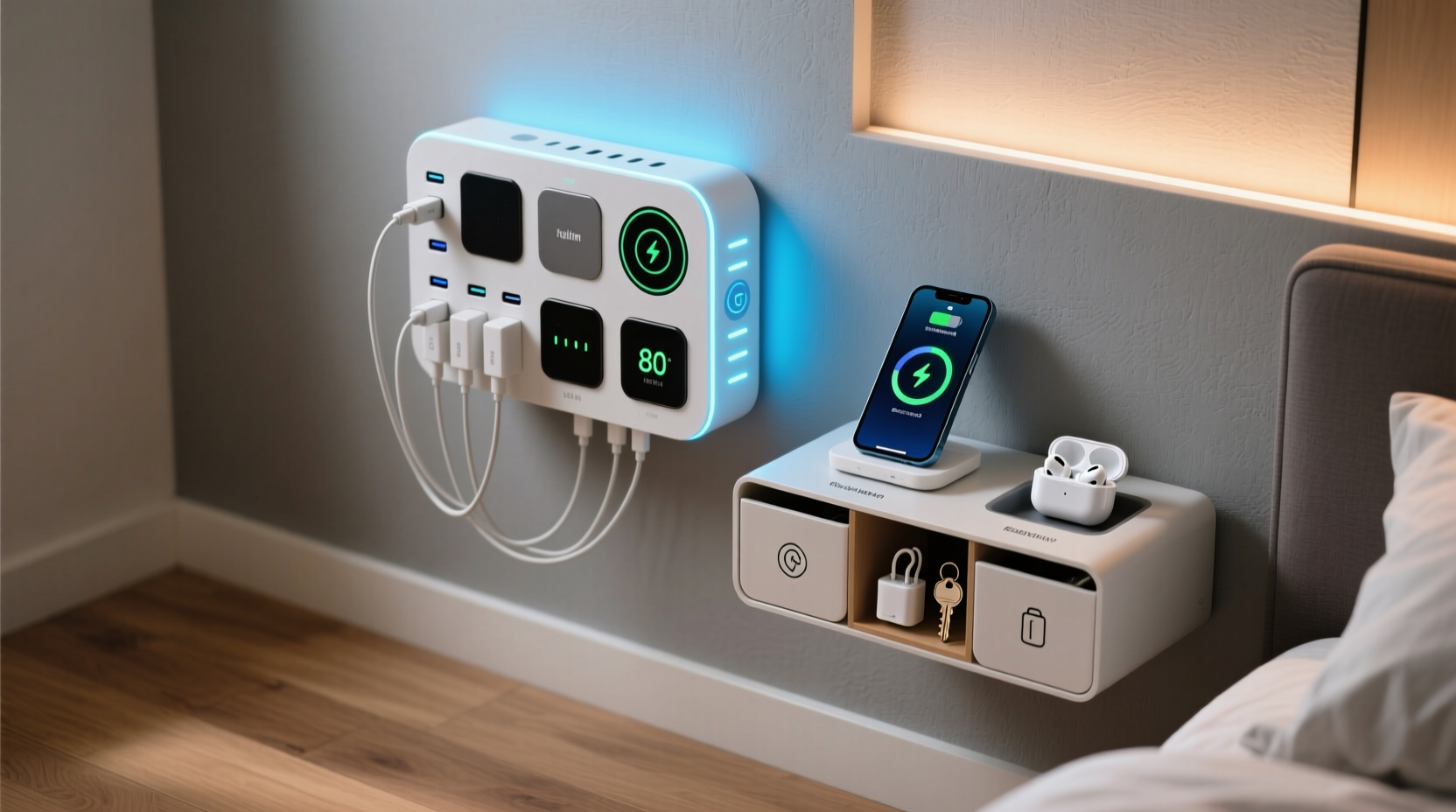
A charging station is designed to keep multiple devices powered and ready for use. It typically includes built-in USB ports, wireless charging pads, cable management features, and open access for frequent use. In contrast, a storage box acts as a secure enclosure—often closed or lidded—meant to hide away gadgets when not in use, protecting them from dust, spills, and accidental damage.
The key distinction lies in usage frequency and accessibility:
- Charging stations are ideal for high-turnover environments like entryways, nightstands, or home offices where devices are used daily.
- Storage boxes work best for seasonal gear, backup electronics, travel accessories, or homes with children where safety and tidiness take priority.
Pros and Cons at a Glance
| Feature | Charging Station | Storage Box |
|---|---|---|
| Power Delivery | Yes – multiple ports, fast charging, pass-through power | No – unless modified with internal outlets (rare) |
| Cable Management | Integrated clips, channels, or hubs | Limited; cables often stored loosely inside |
| Accessibility | High – open design allows quick grab-and-go | Low – requires opening lid or drawer |
| Dust & Spill Protection | Poor – exposed components vulnerable | Excellent – enclosed space shields contents |
| Aesthetic Integration | Can be sleek but visible; may clash if poorly designed | Easily blends into decor; can double as furniture |
| Ideal For | Daily-use devices needing consistent charge | Backup gear, infrequently used items, child-safe storage |
When a Charging Station Wins: Real-Life Example
Consider Sarah, a remote worker and parent of two young kids. Her kitchen counter was once littered with three phones, two tablets, AirPods, and a smartwatch—all competing for outlet space. She purchased a multi-tier charging station with six USB ports, two wireless pads, and labeled slots. Within days, her family adopted a routine: devices go in each evening after dinner. By morning, everything is fully charged and neatly arranged.
\"Before, I’d wake up to a dead phone because someone unplugged it for their tablet,\" she said. \"Now, everyone knows where their spot is. The kids even race to put their devices away first.\"
This scenario highlights a critical advantage: behavioral nudging. A well-designed charging station encourages habits by making the right action—the organized, powered-up outcome—easier than the alternative.
“People don’t fail systems; systems fail people. A good charging setup reduces friction so staying organized feels effortless.” — David Lin, Productivity Consultant
When a Storage Box Is the Smarter Choice
Not all gadgets need constant power. Backup drives, spare headphones, old fitness trackers, or travel adapters only come out occasionally. Leaving them plugged in risks overcharging, port degradation, or unnecessary energy draw. A storage box offers a clean, safe place to stow these items without visual clutter.
For households with pets or small children, closed storage prevents curious hands from chewing cables or spilling liquids into active charging circuits. Some users also report lower anxiety about fire risk when devices aren’t left unattended while charging overnight.
Moreover, storage boxes made from wood, fabric-covered cardboard, or minimalist acrylic can enhance room aesthetics far more than most plastic-heavy charging docks.
Best of Both Worlds: The Hybrid Approach
Many professionals and organized households don’t choose one—they integrate both. The strategy follows a simple rule: charge what you use daily, store what you don’t.
Here’s how it works in practice:
- Primary Devices → Charging Station: Daily drivers (phone, watch, earbuds) live on an open charging dock near the bedroom or entryway.
- Secondary Gear → Storage Box: Spare batteries, international plugs, old cables, and seasonal gadgets are kept in a labeled container nearby.
- Nightly Routine: After charging, devices either stay in the station (if used early next day) or get moved into the box for safekeeping.
This hybrid model combines functionality with long-term care. It also scales easily as new devices enter the ecosystem.
Step-by-Step: Building Your Ideal Setup
- Inventory Your Gadgets: List every device that needs charging or storage. Note usage frequency.
- Sort by Priority: Separate into “daily,” “weekly,” and “occasional” categories.
- Select a Charging Station: Choose one with enough ports, ventilation, and size to accommodate top-tier devices. Look for surge protection.
- Pick a Storage Box: Opt for one with interior organization options—compartments, removable trays, or modular inserts.
- Assign Zones: Place the charging station in a convenient location (bedside, office desk). Keep the storage box close but out of direct sunlight or humidity.
- Label Everything: Use tags or colored stickers to identify cables and device spots. Prevents mix-ups.
- Maintain Monthly: Unplug, wipe down surfaces, check for frayed wires, and re-evaluate what belongs where.
Checklist: Choosing the Right Solution for You
- ✅ Do you use your devices multiple times per day? → Lean toward a charging station.
- ✅ Are you tired of tangled cords and hunting for chargers? → A charging station with cable routing helps.
- ✅ Do you have limited outlet access? → Consider a powered charging hub with a single plug.
- ✅ Is aesthetics or minimalism important in your space? → A sleek storage box might fit better.
- ✅ Do you own backup or rarely used gadgets? → Store them safely in a dedicated box.
- ✅ Do you travel frequently? → Use a portable charging station and a compact storage pouch.
- ✅ Concerned about safety or overcharging? → Store non-essential devices when not in use.
Frequently Asked Questions
Can I modify a storage box to include charging capabilities?
Yes, with caution. Some DIY enthusiasts install USB hubs or wireless charging modules inside wooden or plastic boxes. Ensure proper ventilation and avoid enclosing active electronics in airtight spaces. Use low-voltage, certified components and never leave modified setups unattended.
Do charging stations waste electricity when idle?
Most modern units have low standby consumption (under 0.5 watts), but cheaper models may draw more. Look for ENERGY STAR-rated or auto-shutoff features to minimize vampire power drain.
Should I leave my phone charging overnight in a station?
Modern smartphones stop charging at 100%, but prolonged full-cycle exposure can degrade battery health over time. If possible, charge during daytime or use a timer-equipped station to cut power after 8 hours.
Final Thoughts: Power + Order = Peace of Mind
The debate between charging stations and storage boxes isn’t about which is universally better—it’s about matching the tool to your lifestyle. A charging station brings order through consistency and readiness. A storage box brings calm through concealment and control. The most effective setups recognize that both have a role.
Start with your most-used devices. Get them on a reliable charging routine. Then, contain the rest with intelligent storage. Over time, this dual approach reduces decision fatigue, extends device lifespan, and transforms chaotic corners into functional zones.




 浙公网安备
33010002000092号
浙公网安备
33010002000092号 浙B2-20120091-4
Comments
No comments yet. Why don't you start the discussion?