
Choosing between checkerboard and solid plates isn’t just about aesthetics—it’s a decision that blends personal expression with practicality. While checkerboard designs scream bold individuality, solid plates offer timeless elegance. But which choice holds up over time? More importantly, will your excitement for a trendy pattern fade as quickly as the design itself?
The answer depends on how you use your tableware, how often you entertain, and what kind of lifestyle you lead. This article breaks down the long-term implications of each option, offering real-world insights to help you decide whether a quirky pattern is a brilliant statement or a future regret.
Understanding the Appeal of Checkerboard Plates
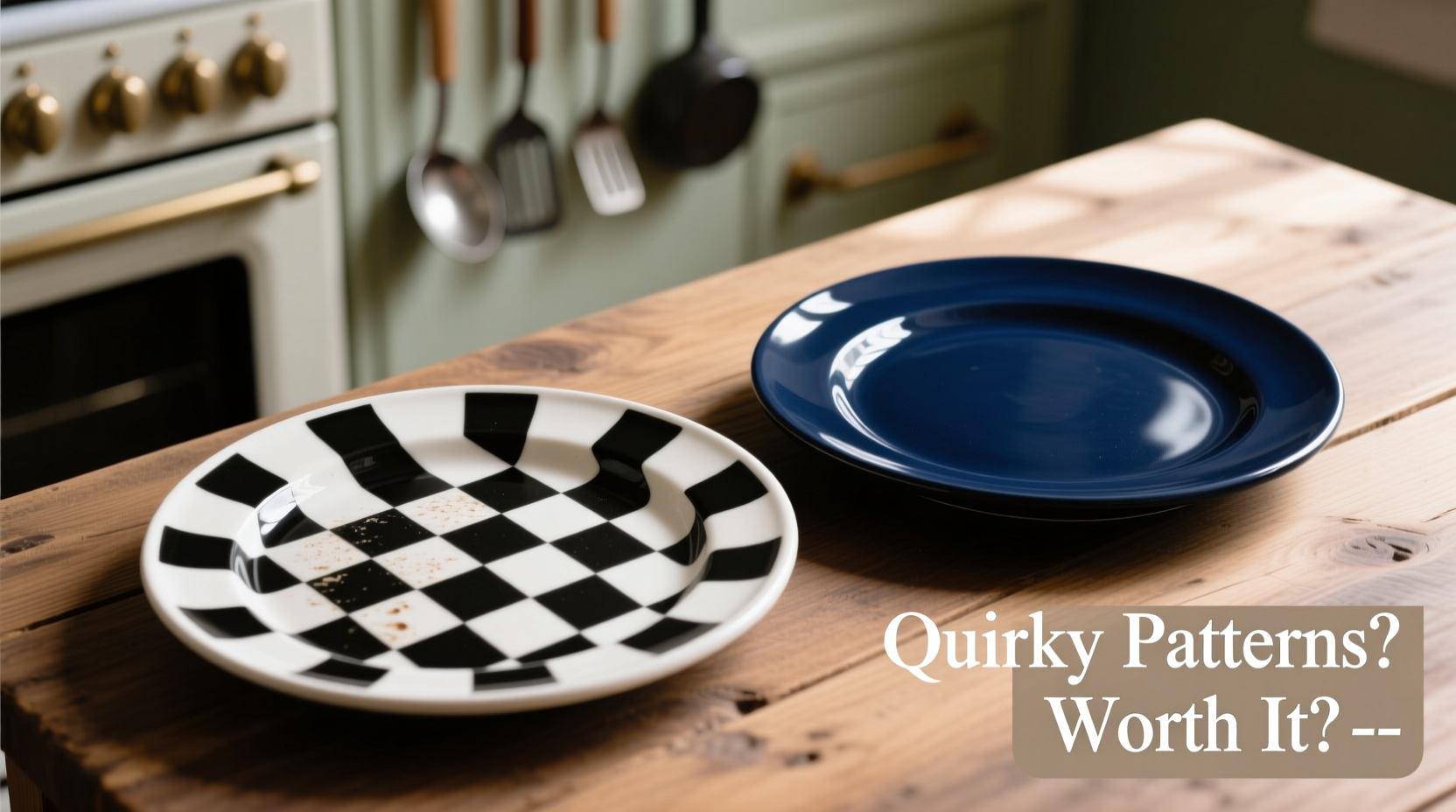
Checkerboard patterns—alternating squares in contrasting colors—have surged in popularity, especially among younger homeowners and social media-savvy decorators. The look draws inspiration from retro diners, skate culture, and minimalist art. It's playful, graphic, and instantly recognizable.
For many, these plates represent more than dinnerware—they’re an extension of identity. A set of black-and-white checkerboard plates can anchor a kitchen’s theme, making it feel curated and intentional. When paired with matching mugs or utensils, the effect is cohesive and stylish.
However, this visual strength comes with trade-offs. The bold contrast means every chip, scratch, or food stain becomes highly visible. Unlike subtle textures or muted tones, there’s no room for imperfection. Over time, wear and tear can make the pattern look tired rather than trendy.
Solid Plates: The Quiet Power of Simplicity
Solid-colored plates—whether white, gray, navy, or earthy terracotta—are staples in both professional kitchens and minimalist homes. Their strength lies in versatility. A white plate lets the food shine, while a dark slate tone adds drama without competing with the meal.
Unlike patterned options, solid plates age gracefully. Minor scratches blend in, and fading is less noticeable. They also pair effortlessly with different styles: rustic, modern, bohemian, or industrial. You can mix metals, glassware, and napkin colors freely without clashing.
One common misconception is that solid plates are boring. In reality, texture plays a major role. A matte black stoneware plate feels entirely different from a glossy ceramic one, even if both are “solid.” Choosing based on material finish—not just color—adds depth without relying on patterns.
“Timeless design isn’t about avoiding trends—it’s about selecting elements that serve function first and form second.” — Lena Patel, Interior Stylist & Tabletop Consultant
Comparing Long-Term Value: A Practical Breakdown
To assess whether quirky patterns are worth it, consider how they perform across key categories. The table below compares checkerboard and solid plates across durability, versatility, resale value, and emotional satisfaction.
| Factor | Checkerboard Plates | Solid Plates |
|---|---|---|
| Durability | Lower – high contrast shows wear easily | Higher – minor damage blends in |
| Versatility | Moderate – works best in themed settings | High – fits any decor or occasion |
| Resale/Re-gifting Potential | Low – niche appeal limits reuse | High – widely accepted and appreciated |
| Emotional Longevity | Short-term excitement, risk of fatigue | Consistent, calming presence |
| Maintenance Visibility | High – stains and chips stand out | Low – easier to keep looking clean |
The data suggests that while checkerboard plates deliver immediate visual impact, their functional lifespan may be shorter. Solid plates, though less flashy, offer consistent performance and adaptability.
Real Example: The Airbnb Host Who Switched
Jamie, a full-time Airbnb host in Portland, initially styled her guest kitchen with black-and-white checkerboard plates to match the retro diner theme. Guests loved the aesthetic, often posting photos online. But within eight months, chipped edges and faded glaze made the set look worn. Dishwasher cycles, heavy use, and accidental drops took their toll.
She replaced them with simple off-white stoneware. At first, she worried the space would feel bland. Instead, guests complimented the “calm, clean vibe,” and the plates held up after hundreds of washes. Jamie now uses the checkerboard set only during photo shoots or special events—keeping them pristine while still enjoying the style selectively.
When Quirky Patterns Work—and When They Don’t
Quirky doesn’t have to mean impractical. The key is context. Below is a checklist to help determine if checkerboard (or similar bold patterns) aligns with your needs.
✅ Do Consider Checkerboard If:
- You entertain infrequently and prioritize style over utility
- Your kitchen has a strong theme (e.g., vintage, mod, pop art)
- You’re comfortable rotating dish sets seasonally
- You hand-wash delicate items or own a gentle dishwasher cycle
- You enjoy seasonal decor changes and don’t mind storing unused sets
❌ Avoid Checkerboard If:
- You have young children or pets (higher breakage risk)
- You rely on a dishwasher daily
- You prefer low-maintenance, “set it and forget it” living
- You plan to keep the same set for 5+ years
- You frequently rehome or sell furniture (harder to match)
How to Future-Proof Your Choice
Whether you lean toward bold patterns or classic solids, planning ahead reduces the chance of regret. Follow this step-by-step guide to make a confident decision.
- Assess Your Daily Routine: How often do you cook? Who does the dishes? High usage favors durable, low-visibility options.
- Define Your Decor Style: Is your kitchen evergreen or trend-driven? If you repaint every few years, a bold plate may fit right in.
- Test Material Quality: Look for vitrified ceramic or tempered stoneware. These resist chipping better than standard porcelain.
- Buy a Sample First: Purchase a single plate in each style. Use it for a week. Notice how it feels to load, clean, and store.
- Plan for Rotation: If you go bold, keep a backup set of neutral plates for everyday use. Rotate seasonally to keep things fresh without sacrificing function.
Frequently Asked Questions
Can I mix checkerboard and solid plates?
Yes—but do so intentionally. Use checkerboard as accent pieces (e.g., salad plates) with solid dinner plates. This balances fun and function. Avoid mixing unless you're aiming for eclectic maximalism.
Do checkerboard plates go out of style faster?
Generally, yes. Bold patterns tie strongly to cultural moments. What feels fresh today may seem dated in 5–7 years, especially if trends shift toward minimalism or organic textures.
Are solid plates boring for entertaining?
Not at all. A well-set table with layered textures, cloth napkins, and lighting makes solid plates look elegant and intentional. Let the food and ambiance take center stage.
Final Thoughts: Style Should Serve Your Life, Not Dictate It
Checkerboard plates aren’t inherently bad—they’re just not for everyone. Their charm lies in their audacity, but that same boldness can become a liability over time. Solid plates win on longevity, flexibility, and ease, but they require thoughtful styling to avoid feeling sterile.
The most satisfying choices are those that align with how you actually live, not how you wish you lived. If you crave change and delight in curating experiences, a quirky pattern might bring joy for years. If you value peace, simplicity, and resilience, a solid set will quietly serve you day after day.
Don’t choose based on Instagram likes or fleeting trends. Choose based on what survives the coffee spills, the midnight snacks, the family dinners, and the quiet mornings. That’s where true satisfaction lies.




 浙公网安备
33010002000092号
浙公网安备
33010002000092号 浙B2-20120091-4
Comments
No comments yet. Why don't you start the discussion?