
Cheek dents—also known as indentations, dimples, or facial asymmetries—are subtle or noticeable depressions on the surface of the cheeks. While some people find them endearing or unique, others may feel self-conscious if the dents appear suddenly or become more pronounced over time. These indentations can stem from a range of factors, including genetics, aging, lifestyle habits, and underlying health conditions. Understanding the root causes is essential for determining whether intervention is necessary and which approach might be most effective.
Anatomy Behind Cheek Dents
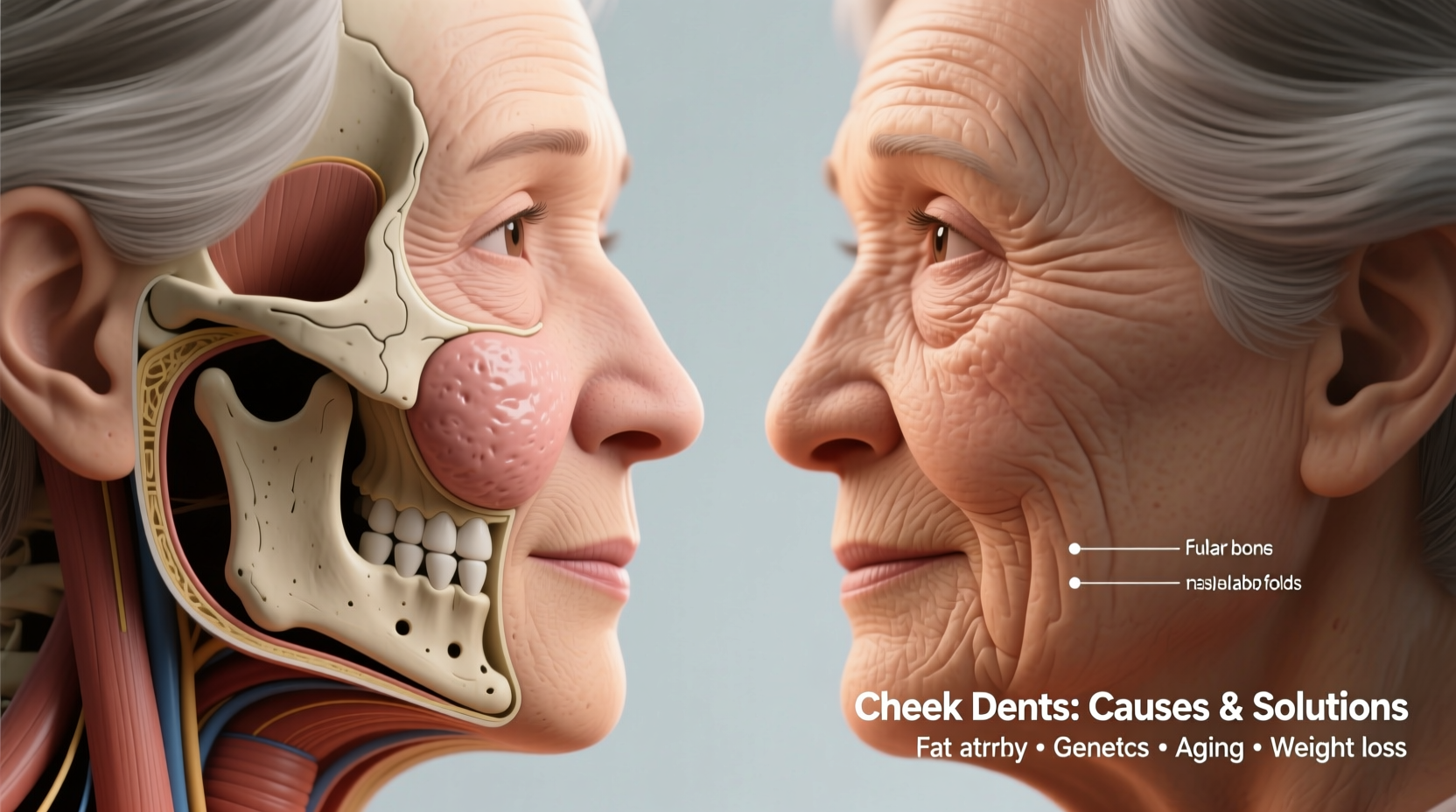
The face is composed of multiple layers: skin, fat, muscles, ligaments, and bone structure. The prominence and smoothness of the cheeks largely depend on the volume and distribution of subcutaneous fat and collagen in the midface region. When any of these components diminish or shift, it can create visible hollows or dents.
One common anatomical explanation for cheek dents involves the zygomaticus major muscle, which runs from the cheekbone to the corners of the mouth. In some individuals, this muscle pulls more tightly in certain areas, creating natural dimples when smiling. However, non-smiling dents may indicate deeper structural changes such as fat atrophy, connective tissue laxity, or skeletal recession.
“Facial symmetry is rare—even so-called ‘ideal’ faces have minor imbalances. What matters clinically is whether the change is new, progressive, or linked to systemic issues.” — Dr. Lena Torres, Facial Dermatologist
Common Causes of Cheek Dents
Cheek dents are not always a sign of a problem. For many, they’re simply part of their natural appearance. However, sudden or asymmetric dents warrant closer attention. Below are the primary causes:
- Genetics: Natural dimpling or indentations inherited from family members.
- Aging: Loss of facial fat, collagen, and elastin leads to sagging and hollowing, especially in the cheeks.
- Weight loss: Rapid or significant fat reduction can deplete facial volume, revealing underlying structures.
- Dental or orthodontic changes: Tooth extractions or jaw realignment may alter facial support.
- Nerve or muscle abnormalities: Conditions like Bell’s palsy or facial nerve compression can cause uneven muscle tone.
- Sleeping position: Consistently sleeping on one side may lead to temporary imprinting or long-term soft tissue deformation.
- Medical conditions: Rarely, diseases like linear facial atrophy (Parry-Romberg syndrome) or scleroderma can cause progressive tissue loss.
When Should You Be Concerned?
Not all cheek dents require medical evaluation. However, certain red flags suggest the need for professional assessment:
- Recent onset: A dent that wasn’t present before and developed within weeks or months.
- Progressive worsening: Increasing depth or spread over time.
- One-sided appearance: Asymmetry accompanied by muscle weakness, numbness, or difficulty moving facial muscles.
- Pain or swelling: Indicates possible inflammation or infection.
- Changes in vision, speech, or sensation: Could point to neurological involvement.
In such cases, a dermatologist, neurologist, or maxillofacial specialist should evaluate the condition through physical examination and possibly imaging (e.g., MRI or CT scan).
Practical Ways to Address Cheek Dents
Depending on the cause, several approaches can minimize or correct cheek dents. Some focus on restoration, while others aim to camouflage the appearance.
Non-Invasive Options
- Facial exercises: Also called \"face yoga,\" targeted movements may improve muscle tone and circulation. Examples include cheek lifts, puffing drills, and resistance techniques.
- Topical skincare: Products containing retinoids, peptides, and hyaluronic acid support collagen production and skin plumpness.
- Mesotherapy: Micro-injections of vitamins, enzymes, and amino acids into the dermis to stimulate regeneration.
- Radiofrequency or ultrasound therapy: Energy-based devices tighten skin and promote collagen remodeling.
Medical & Cosmetic Treatments
| Treatment | How It Works | Duration of Results | Risks |
|---|---|---|---|
| Dermal fillers (e.g., hyaluronic acid) | Restores lost volume instantly | 6–18 months | Bruising, lumps, rare vascular occlusion |
| Fat grafting | Transfers patient’s own fat to hollow areas | 1–5 years (varies) | Irregular contour, partial reabsorption |
| Thread lifts | Lifts sagging tissue with dissolvable threads | 1–2 years | Pain, thread visibility, infection |
| Laser resurfacing | Improves skin texture and tightness | Up to 2 years | Redness, peeling, pigmentation changes |
These procedures should only be performed by licensed professionals after a thorough consultation. Realistic expectations are key—while improvements are possible, perfection is rarely achievable.
Case Study: Addressing Post-Weight-Loss Cheek Dents
Sophia, a 34-year-old fitness instructor, lost 45 pounds over eight months through diet and exercise. While proud of her transformation, she noticed deep hollows forming in her upper cheeks, making her look older and fatigued. She consulted a board-certified dermatologist who diagnosed volume loss due to reduced facial fat.
The treatment plan included two sessions of hyaluronic acid filler injections spaced six weeks apart. After the second session, Sophia reported improved facial balance and increased confidence. Follow-up care involved hydration, sun protection, and monthly radiofrequency treatments to maintain skin elasticity.
This case highlights how even healthy weight loss can impact facial aesthetics and why proactive strategies matter.
Prevention and Daily Care Checklist
While not all cheek dents can be prevented, maintaining facial health supports overall appearance and delays premature aging.
- Stay hydrated (aim for 2–3 liters of water daily)
- Eat a balanced diet rich in antioxidants, healthy fats, and protein
- Use sunscreen every morning (SPF 30+)
- Avoid smoking and limit alcohol consumption
- Sleep on your back or use a silk pillowcase to reduce pressure
- Perform gentle facial massage 3–4 times per week
- Apply moisturizers with ceramides or hyaluronic acid
Frequently Asked Questions
Are cheek dents permanent?
Not necessarily. Temporary dents caused by sleeping positions or dehydration often resolve within hours. Those due to aging or fat loss may persist but can be corrected with fillers or other treatments. Genetic dimples are typically lifelong but harmless.
Can facial exercises really fix cheek dents?
There’s limited scientific evidence, but anecdotal reports suggest facial toning may enhance muscle definition and circulation. It won’t replace lost fat, but it can complement other treatments and slow further volume loss.
Is it safe to get fillers for cheek dents?
Yes, when administered by a qualified practitioner using FDA-approved products. Hyaluronic acid fillers are reversible with hyaluronidase if needed. Always disclose your medical history and allergies before treatment.
Final Thoughts and Next Steps
Cheek dents are more common than many realize, and in most cases, they pose no health risk. Whether viewed as a distinctive feature or a cosmetic concern, understanding their origin empowers informed decisions. For those bothered by their appearance, modern dermatology offers safe, effective solutions ranging from lifestyle adjustments to minimally invasive procedures.
If you’ve recently noticed changes in your facial contours, start by evaluating your habits and consulting a trusted healthcare provider. Small steps today—like improving hydration, adjusting sleep posture, or scheduling a skin assessment—can make a meaningful difference in how your face looks and feels tomorrow.




 浙公网安备
33010002000092号
浙公网安备
33010002000092号 浙B2-20120091-4
Comments
No comments yet. Why don't you start the discussion?