
Persistent facial flushing—especially in the cheeks—is more than just a cosmetic concern. For many, it’s a recurring condition that can signal underlying health issues, environmental sensitivities, or chronic skin disorders. While occasional redness after exercise or embarrassment is normal, cheeks that are consistently flushed may point to something deeper. Understanding the root causes, common triggers, and warning signs can help individuals manage symptoms effectively and know when to seek medical advice.
Common Causes of Chronically Flushed Cheeks
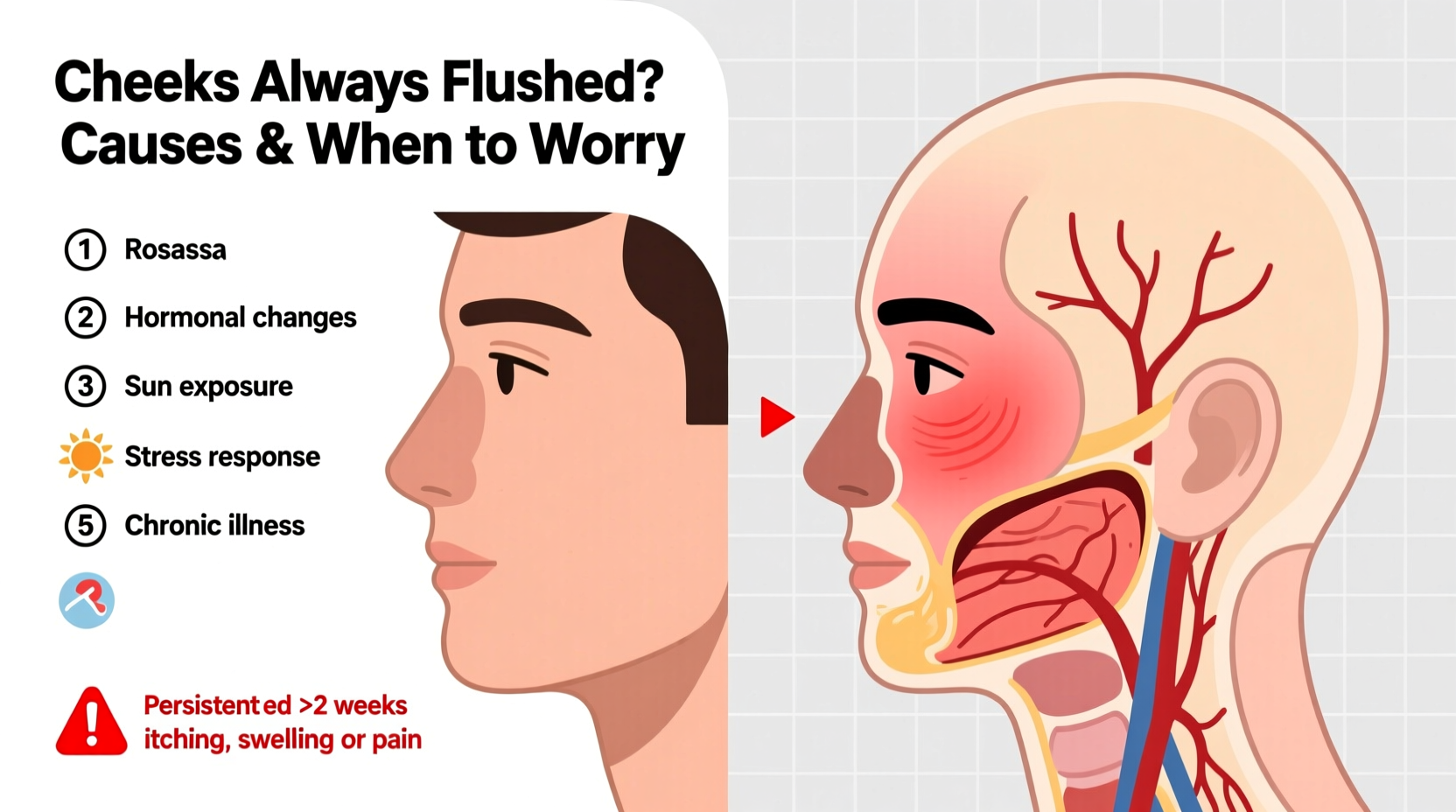
Facial redness arises when blood vessels near the skin’s surface dilate, increasing blood flow. This vasodilation can be triggered by a range of internal and external factors. Some causes are temporary and benign; others indicate long-term conditions requiring attention.
- Rosacea: A chronic skin condition affecting over 16 million Americans, rosacea often begins with frequent blushing and progresses to persistent redness, particularly on the central face.
- Emotional Stress: Anxiety, embarrassment, or strong emotions can activate the autonomic nervous system, leading to sudden or prolonged flushing.
- Hormonal Changes: Menopause, pregnancy, or thyroid imbalances can disrupt vascular regulation, causing hot flashes and facial redness.
- Allergic Reactions: Skin contact with irritants (e.g., fragrances, harsh cleansers) or food allergies may trigger inflammatory responses visible as flushed cheeks.
- Dietary Triggers: Spicy foods, alcohol, caffeine, and histamine-rich foods can induce flushing by stimulating blood vessel dilation.
- Medications: Niacin supplements, certain blood pressure drugs (like calcium channel blockers), and topical retinoids are known to cause facial redness as a side effect.
Environmental and Lifestyle Triggers
External factors play a significant role in triggering or worsening cheek redness. These elements don’t cause flushing on their own but can exacerbate existing sensitivity or underlying conditions.
| Trigger | Mechanism | How to Reduce Exposure |
|---|---|---|
| Extreme Temperatures | Cold wind constricts then dilates vessels; heat increases circulation | Wear protective scarves in winter; avoid prolonged sun exposure |
| UV Radiation | Sun damage weakens capillary walls and inflames skin | Use broad-spectrum SPF 30+ daily, even on cloudy days |
| Harsh Skincare Products | Alcohol, sulfates, and synthetic fragrances strip natural barrier | Switch to fragrance-free, non-comedogenic formulas |
| Exercise | Increased heart rate raises facial blood flow | Cool down gradually; use fans during workouts |
Real-Life Example: Sarah’s Experience with Rosacea
Sarah, a 34-year-old teacher from Portland, noticed her cheeks turning red almost daily—even without exertion. Initially dismissing it as sensitive skin, she began avoiding social events due to embarrassment. After consulting a dermatologist, she was diagnosed with erythematotelangiectatic rosacea. With a tailored regimen including gentle skincare, prescription metronidazole gel, and lifestyle adjustments like eliminating spicy foods and switching to green tea, her flare-ups decreased significantly within three months. Her case highlights how early recognition and targeted care can transform quality of life.
“Persistent facial redness should never be ignored. It’s often the first sign of rosacea or another systemic issue.” — Dr. Lena Patel, Board-Certified Dermatologist
When to Worry: Red Flags That Demand Medical Attention
While mild, intermittent flushing is usually harmless, certain symptoms suggest an underlying medical condition requiring evaluation. Seek prompt care if you experience any of the following:
- Burning or stinging pain accompanying redness
- Pimple-like bumps or pustules on reddened areas
- Visible spider veins (telangiectasia) spreading across the nose and cheeks
- Eye irritation, dryness, or swelling—possible ocular rosacea
- Flushing episodes with dizziness, rapid heartbeat, or low blood pressure
- Symmetrical rash with joint pain or fatigue, which could indicate lupus
In rare cases, persistent flushing may relate to carcinoid syndrome—a neuroendocrine tumor that releases vasoactive substances. Though uncommon, this condition typically presents with episodic bright-red flushing, diarrhea, and wheezing.
Step-by-Step Guide to Managing Flushed Cheeks
Taking control of chronic cheek redness involves both avoidance strategies and proactive care. Follow this timeline to reduce flare-ups and improve skin resilience:
- Week 1–2: Identify Triggers
Create a daily log noting meals, activities, emotions, skincare products, and flush intensity (rate 1–10). - Week 3: Simplify Skincare
Switch to a minimalist routine: gentle cleanser, ceramide-based moisturizer, and mineral sunscreen. - Week 4: Eliminate Common Culprits
Remove alcohol, spicy foods, niacin supplements, and hot beverages from your diet temporarily. - Month 2: Consult a Professional
Visit a dermatologist for diagnosis. They may perform a skin assessment or recommend blood tests if hormonal or autoimmune causes are suspected. - Ongoing: Maintain a Protection Routine
Wear sunscreen daily, protect skin from extreme weather, manage stress through mindfulness, and avoid overheating during exercise.
Do’s and Don’ts for Sensitive, Flushing-Prone Skin
| Do’s | Don’ts |
|---|---|
| Use fragrance-free, hypoallergenic moisturizers | Scratch or rub red areas aggressively |
| Apply cool compresses during flare-ups | Use exfoliants like scrubs or chemical peels frequently |
| Practice stress-reduction techniques (e.g., deep breathing, yoga) | Stay in overheated rooms or saunas for long periods |
| Stay hydrated to support skin barrier function | Self-diagnose using online forums—misinformation is common |
Frequently Asked Questions
Can anxiety really cause my cheeks to stay red all the time?
Yes. Chronic anxiety activates the sympathetic nervous system, leading to repeated vasodilation in the face. Over time, this can weaken capillaries and result in persistent redness, especially in those with pre-existing skin sensitivity.
Is there a difference between blushing and flushing?
Blushing is typically short-lived and emotionally triggered, while flushing refers to prolonged redness that may last minutes to hours and can occur without emotional stimuli. Flushing is often linked to physiological or pathological causes beyond emotion.
Can I treat flushed cheeks without medication?
In mild cases, yes. Avoiding triggers, adopting a gentle skincare routine, managing stress, and protecting skin from UV exposure can significantly reduce redness. However, moderate to severe rosacea or hormonal imbalances often require prescription treatments such as topical azelaic acid, oral antibiotics, or laser therapy.
Conclusion: Take Control of Your Skin Health
Chronically flushed cheeks are not something you simply have to live with. Whether the cause is rosacea, hormonal shifts, environmental exposure, or emotional stress, effective solutions exist. The key lies in understanding your unique triggers, making informed lifestyle choices, and knowing when to consult a healthcare provider. Ignoring persistent redness can lead to worsening symptoms and emotional distress—but taking action early empowers you to regain comfort and confidence.




 浙公网安备
33010002000092号
浙公网安备
33010002000092号 浙B2-20120091-4
Comments
No comments yet. Why don't you start the discussion?