
Dogs thrive on play, but not all toys are created equal. Two of the most common categories—chew toys and fetch toys—serve very different purposes in a dog’s life. While both can bring joy and mental stimulation, they come with distinct safety profiles, durability concerns, and behavioral impacts. Choosing between them isn’t about picking a “winner,” but understanding how each supports your dog’s health, temperament, and lifestyle. This guide breaks down the real differences, backed by veterinary insight and real-world experience, so you can make informed decisions that keep your dog safe and engaged.
Understanding Chew Toys: Purpose and Benefits
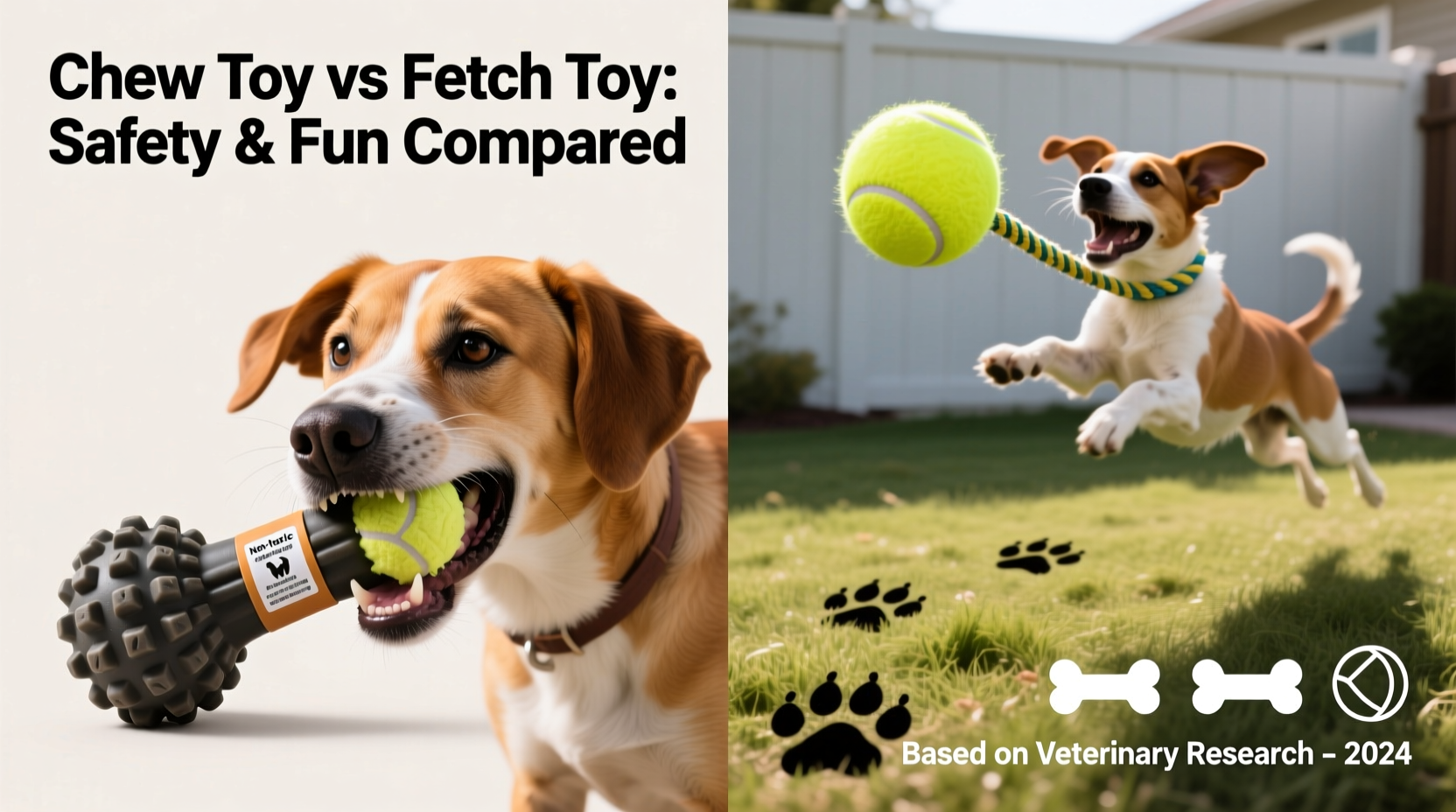
Chew toys are designed to withstand prolonged gnawing. They cater to a dog’s natural instinct to chew, which begins in puppyhood and often persists into adulthood. These toys help relieve teething discomfort, reduce anxiety, and satisfy oral fixation. Many chew toys are made from rubber, nylon, or compressed natural fibers, engineered to resist destruction while being gentle on teeth.
The psychological benefits of chewing are well-documented. According to Dr. Karen Becker, a proactive veterinarian specializing in pet wellness, “Chewing releases endorphins in dogs, creating a calming effect similar to meditation in humans.” This makes chew toys particularly valuable for high-energy or anxious breeds.
High-quality chew toys also support dental health. Textured surfaces can help reduce plaque buildup, and some are even infused with enzymes or flavors to encourage longer engagement. However, not all chew toys are safe. Extremely hard materials like antlers, bones, or certain synthetic polymers can fracture teeth—a risk often overlooked by owners.
The Role of Fetch Toys: Exercise and Mental Engagement
Fetch toys—typically balls, frisbees, or soft plush items—are built for motion and retrieval. They promote cardiovascular exercise, coordination, and bonding between dog and owner. Unlike chew toys, fetch toys are meant for dynamic interaction, encouraging running, jumping, and problem-solving.
Games of fetch stimulate the reward centers in a dog’s brain, reinforcing obedience and focus. For working breeds like Border Collies or Labradors, regular fetching sessions are essential to prevent destructive behaviors born of boredom. The American Kennel Club notes that “mental fatigue from active play is just as important as physical exhaustion” in maintaining balanced behavior.
However, fetch toys come with their own risks. Small balls can be swallowed, especially if worn down. Frisbees may cause jaw strain or dental wear if caught aggressively. And obsessive fetch behavior—sometimes called “ball addiction”—can lead to stress, hyperactivity, or reluctance to disengage from play.
“Moderation is key. A dog that plays fetch for hours without downtime may develop compulsive tendencies.” — Dr. Nicholas Dodman, Veterinary Behaviorist
Comparing Safety: Chew Toy vs Fetch Toy Risks
Safety depends less on the toy category and more on appropriateness for the individual dog. Below is a comparison of common hazards associated with each type:
| Toy Type | Common Risks | Prevention Tips |
|---|---|---|
| Chew Toys | Tooth fractures, intestinal blockages from swallowed pieces, chemical leaching (low-quality plastics) | Choose flexible rubber over rigid nylon; avoid edible chews with artificial additives |
| Fetch Toys | Choking on small parts, gastrointestinal obstruction, repetitive strain injuries | Supervise play; use appropriately sized toys; limit continuous play sessions |
One critical factor is size. A chew toy should be large enough that it cannot fit entirely in the dog’s mouth, reducing the risk of accidental swallowing. Similarly, fetch toys should be easy to grip but too big to inhale or choke on. Always inspect toys regularly for wear and replace them when frayed, cracked, or fragmented.
Which Is More Fun? It Depends on Your Dog
Fun is subjective—and highly breed-dependent. Terriers and retrievers typically favor fetch toys, thriving on the chase-and-retrieve cycle. Bulldogs or mastiffs may prefer chewing, finding satisfaction in gnawing rather than sprinting.
A mini case study illustrates this: Max, a 3-year-old Australian Shepherd, showed signs of anxiety when left alone. His owner introduced a durable rubber chew toy stuffed with peanut butter, which kept him occupied for 45 minutes daily. Meanwhile, Luna, a young Golden Retriever in the same neighborhood, became restless without at least two 20-minute fetch sessions per day. Her energy levels stabilized only when her routine included active outdoor play.
The takeaway? Matching the toy to the dog’s instincts and energy level increases enjoyment and reduces behavioral issues. Some dogs benefit from both types—chewing in the morning to calm nerves, fetching in the evening to burn off excess energy.
How to Choose the Right Toy: A Practical Checklist
Use this checklist to evaluate any dog toy before purchase or use:
- ✅ Is the toy size appropriate for your dog’s breed and weight?
- ✅ Can your dog easily break off pieces? If yes, it’s unsafe.
- ✅ Does it contain toxic chemicals or artificial dyes? Look for non-toxic, BPA-free labels.
- ✅ Is it designed for your dog’s chewing strength? Power chewers need reinforced rubber.
- ✅ Can you supervise use? No toy is 100% safe unsupervised.
- ✅ Does your dog show interest and positive engagement?
- ✅ Is it easy to clean? Hygiene prevents bacterial growth.
Step-by-Step Guide to Introducing New Toys Safely
- Assess your dog’s play style: Observe whether they tend to chew, toss, or carry toys.
- Select one toy type at a time: Start with either a chew or fetch toy to avoid overwhelming them.
- Supervise the first 10–15 minutes: Watch for aggressive biting or attempts to swallow parts.
- Limit initial sessions: Allow short interactions to build positive associations.
- Rotate toys weekly: Prevent habituation and maintain excitement.
- Inspect and clean regularly: Remove damaged toys immediately.
Frequently Asked Questions
Can chew toys replace dental care?
No. While some chew toys help reduce plaque, they are not a substitute for brushing or professional cleanings. Use them as a supplement, not a solution.
Is it bad if my dog only wants to play fetch?
Not inherently, but constant fetching without rest can lead to physical strain or obsessive behavior. Balance it with calm activities like chewing or puzzle toys.
Are rope toys safe for chewing?
Rope toys can be risky. Fibers may unravel and get lodged in teeth or the digestive tract. If used, supervise closely and discard at the first sign of fraying.
Final Thoughts: Safety and Fun Go Hand-in-Paw
Neither chew toys nor fetch toys are universally safer or more fun—it comes down to responsible selection and attentive ownership. Chew toys excel at mental soothing and dental support, while fetch toys promote fitness and bonding. The smartest approach combines both, tailored to your dog’s age, breed, and personality.
Never underestimate the value of supervision. Even the highest-rated toy can become hazardous if misused. Prioritize quality over quantity, and always err on the side of caution when introducing anything new.




 浙公网安备
33010002000092号
浙公网安备
33010002000092号 浙B2-20120091-4
Comments
No comments yet. Why don't you start the discussion?