
The chicken nugget and onion ring combo is more than just a nostalgic fast-food staple—it’s a study in textural harmony and flavor balance that has earned its place on menus from diners to gastropubs. While often dismissed as casual comfort food, this pairing offers a surprisingly rich culinary canvas when approached with intention. The crisp, golden-brown crunch of a well-fried onion ring complements the tender, savory bite of a quality chicken nugget in a way few other side-and-main duos can match. For home cooks aiming to elevate their frying game or restaurateurs refining their fried offerings, understanding the nuances of this classic combination—from breading techniques to oil selection and timing—is essential. This guide explores every facet of crafting an exceptional chicken nugget and onion ring experience, grounded in professional kitchen principles but accessible to any cook.
Definition & Overview
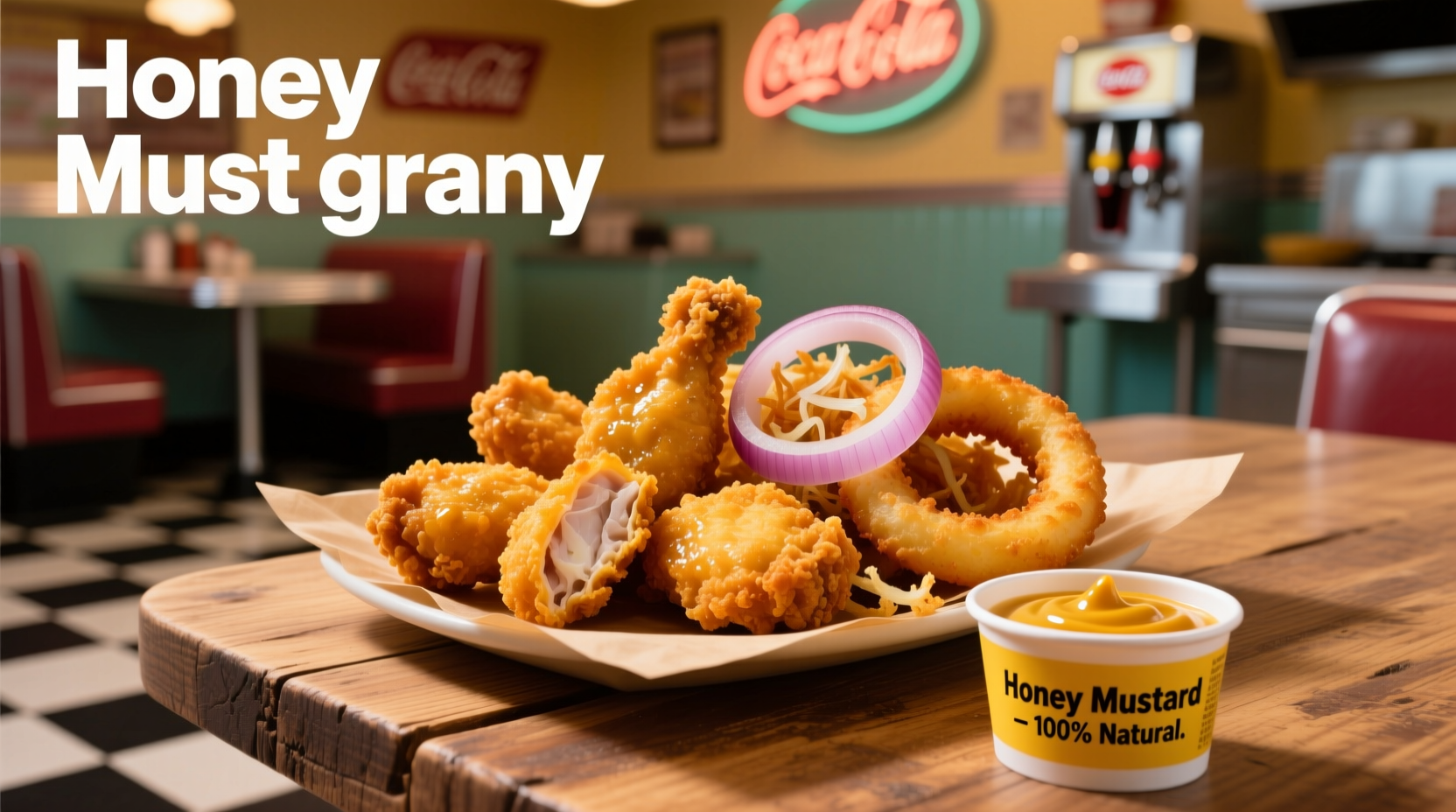
A chicken nugget and onion ring combo refers to a dish pairing breaded and deep-fried chicken pieces with battered onion rings, typically served together on one plate. Though commonly associated with fast food chains, the concept originated in mid-20th-century American diners and drive-ins, where fried proteins were paired with equally indulgent sides to maximize satisfaction. Chicken nuggets—bite-sized portions of white meat chicken, usually breast—coated in seasoned flour or batter and fried—are prized for their convenience and consistent texture. Onion rings, made by slicing onions into rounds, dipping them in batter or seasoned crumbs, and frying until crisp, contribute sweetness, heft, and a contrasting crunch.
Culinary professionals recognize this combo not merely as a crowd-pleaser but as a benchmark for frying proficiency. Success hinges on managing multiple variables simultaneously: oil temperature stability, breading adhesion, moisture control, and timing. When executed correctly, the result is a balanced plate where neither component overpowers the other. The chicken remains juicy inside with a crisp, golden shell; the onion rings are light, not greasy, with distinct layers separating under the bite. Flavor profiles typically lean savory-salty, often enhanced with herbs, spices, or umami-rich seasonings in the coating.
Key Characteristics
| Characteristic | Chicken Nuggets | Onion Rings |
|---|---|---|
| Flavor Profile | Savory, slightly salty, with herbal or peppery notes in breading | Sweet, pungent (when raw), mellowed by frying; often spiced with paprika, garlic, or cayenne |
| Texture | Crisp exterior, tender interior; uniform bite | Hard-crusted outer layer, soft inner onion; variable thickness affects chew |
| Aroma | Roasted poultry, toasted breadcrumbs, herbs | Caramelized allium, fried batter, faint sulfurous note when fresh |
| Color | Golden brown to deep amber, depending on fry time | Deep gold to light mahogany; batter color varies by recipe |
| Cooking Method | Deep-frying (most common), air frying, baking | Primarily deep-frying; some oven-baked versions exist |
| Shelf Life (Cooked) | Best served immediately; loses crispness within 30 minutes | Rapid staling; becomes soggy if held too long |
| Culinary Function | Protein centerpiece | Side item with textural contrast and flavor accent |
Practical Usage: How to Prepare the Perfect Combo at Home
Creating a high-quality chicken nugget and onion ring combo at home requires attention to technique, ingredient quality, and workflow. The goal is synchronizing both components so they finish frying within moments of each other, ensuring peak crispness upon plating.
Step-by-Step Preparation
- Prep Ingredients: Cut boneless, skinless chicken breasts into 1.5-inch cubes. Slice sweet or yellow onions into ½-inch thick rings, separating individual circles. Pat both dry thoroughly—moisture is the enemy of crisp breading.
- Season Protein: Toss chicken with salt, pepper, garlic powder, and a pinch of MSG (optional for umami depth). Let rest 10 minutes.
- Breading Station Setup (Three-Bowl Method):
- Bowl 1: All-purpose flour + seasoning (paprika, onion powder, cayenne)
- Bowl 2: Beaten eggs + 1 tbsp water or buttermilk
- Bowl 3: Panko breadcrumbs or fine cracker meal + additional seasoning
- Bread Chicken: Dredge nuggets in flour (shake off excess), dip in egg wash, then coat in crumbs. Press gently to adhere. Chill for 15 minutes to set coating.
- Prepare Onion Rings: Use same breading station. For lighter rings, use tempura-style batter (ice-cold sparkling water + flour). For crunchier results, double-dip: flour → egg → crumbs → egg → crumbs.
- Heat Oil: Use neutral oil with high smoke point—peanut, canola, or vegetable oil—at 350–375°F (175–190°C). Maintain temperature with a clip-on thermometer.
- Fry in Batches:
- Fry nuggets for 3–4 minutes until golden and internal temperature reaches 165°F.
- Fry onion rings for 2–3 minutes per side until deep golden. Do not overcrowd.
- Drain and Season: Place on wire rack over paper towels. Immediately season onion rings with flaky salt.
- Plate Together: Serve hot with dipping sauces like honey mustard, ranch, or spicy aioli.
Pro Tip: Fry onion rings first—they cool faster and lose crispness more quickly than nuggets. Hold them warm in a single layer on a rack in a 200°F oven while finishing the chicken batch. This prevents sogginess from steaming.
Restaurant-Style Enhancements
Professional kitchens achieve superior results through refined methods:
- Brining: Soak chicken in a 3% saltwater solution (or buttermilk) for 1–4 hours. This increases moisture retention and tenderness.
- Double-Frying: Fry onion rings once at 325°F to cook through, cool, then re-fry at 375°F for crispness—a technique borrowed from Japanese karaage.
- Batter Chilling: Keep batter ice-cold to reduce oil absorption and create a lighter crust.
- Dedicated Fryers: Use separate fryer baskets or vats for chicken and onions to avoid flavor transfer and maintain oil clarity.
Variants & Types
Not all chicken nuggets and onion rings are created equal. Understanding the available forms helps tailor the dish to your audience, equipment, and goals.
Chicken Nugget Variants
| Type | Description | Best Use Case |
|---|---|---|
| Homemade Fresh | Hand-cut chicken, custom breading, no preservatives | Home cooking, gourmet presentations |
| Commercial Frozen | Mass-produced, pre-breaded, often contains additives | Quick service, convenience settings |
| Ground Meat Patty Style | Emulsified chicken paste shaped into nuggets | Fast food chains seeking uniformity |
| Gluten-Free / Alternative | Coated in almond flour, rice crumbs, or chickpea batter | Dietary restrictions, specialty diets |
| Plant-Based Imitation | Made from soy, pea protein, or mycoprotein | Vegan/vegetarian menus |
Onion Ring Variants
- Battered: Coated in liquid batter (beer-based or tempura). Lighter, crispier, shatters on bite.
- Breaded: Dusted in seasoned flour or crumbs. Heavier, crunchier, more substantial mouthfeel.
- Sweet Onion Rings: Made with Vidalia, Walla Walla, or Maui onions. Naturally sweeter, less pungent.
- Ringlets vs. Strips: Some restaurants serve curved strips instead of full rings for even cooking.
- Loaded Onion Rings: Topped with cheese, bacon, or sauce—common in bar menus.
Comparison with Similar Ingredients
The chicken nugget and onion ring combo is frequently confused with or substituted by similar fried items. Knowing the differences ensures proper application.
| Item Compared | Difference from Chicken Nuggets | Difference from Onion Rings |
|---|---|---|
| Chicken Tenders | Whole muscle strips vs. chopped/bite-sized nuggets; more premium perception | N/A |
| French Fries | N/A | Potato-based; less sweet, more starchy; uniform shape allows even frying |
| Mojo Balls / Fried Pickles | No protein base; pickled vegetable core alters acidity and moisture | Same frying method, but different brined flavor profile |
| Zucchini Rings | N/A | Vegetable alternative; more delicate, requires careful handling |
“The hallmark of a great combo plate isn’t just taste—it’s synchronicity. If your onion rings are limp when the chicken hits the plate, you’ve failed the fundamental test of fried food timing.” — Executive Chef Maria Tran, *Fried: The Art of Crispness* (2021)
Practical Tips & FAQs
Q1: Can I bake instead of fry?
A1: Yes, but with trade-offs. Bake at 425°F on a wire rack for 18–22 minutes, flipping halfway. Results are drier and less crisp. For better browning, spray lightly with oil. Not recommended for commercial applications where texture is critical.
Q2: What oil should I use?
A2: Choose oils with high smoke points and neutral flavors: peanut (best for flavor and performance), canola, safflower, or refined avocado oil. Avoid olive oil (low smoke point) or unrefined coconut oil (strong flavor).
Q3: How do I keep them crispy longer?
A3: Serve immediately. If holding, place on a wire rack in a 200°F oven for up to 20 minutes. Never cover or stack—trapped steam causes sogginess.
Q4: Are there gluten-free options?
A4: Absolutely. Use gluten-free flour blends and certified GF breadcrumbs. For onion rings, a rice flour or cornstarch-based batter works well. Ensure all seasonings and oils are uncontaminated.
Q5: Can I prep ahead?
A5: Breaded chicken and onion rings can be assembled and frozen raw on a tray, then transferred to bags. Fry from frozen—add 1–2 minutes to cook time. Do not thaw before frying.
Q6: What are ideal dipping sauces?
A6: Balance richness with acidity or sweetness:
- Honey Mustard (classic pairing)
- Ranch (cooling, herbaceous)
- Spicy Mayo (sriracha + mayo + lime)
- Barbecue Sauce (smoky, tangy)
- Cheese Sauce (for indulgent takes)
Q7: Why are my onion rings soggy?
A7: Common causes include:
- Oil temperature too low (below 350°F)
- Overcrowding the fryer
- Not drying onions before breading
- Using wet batter without chilling
- Holding finished product under a cover
Storage Tip: Leftover cooked nuggets and rings should not be refrigerated in sealed containers—they will turn soggy. Instead, store uncovered in the fridge for up to 2 days. Re-crisp in an air fryer at 375°F for 3–4 minutes.
Summary & Key Takeaways
The chicken nugget and onion ring combo transcends its fast-food origins when crafted with care. At its best, it exemplifies the synergy between protein and vegetable, crunch and tenderness, salt and sweetness. Success lies not in complexity but in precision: controlling oil temperature, preparing ingredients properly, and coordinating timing.
Homemade versions allow customization—brining for juiciness, double-coating for crunch, using sweet onions for milder flavor. Different breading styles and frying techniques open doors to regional interpretations, from Southern beer-battered rings to Korean-inspired gochujang-glazed nuggets.
Professionals must manage operational challenges: oil degradation, cross-contamination, and hold times. But for home cooks, the reward is a deeply satisfying meal that appeals across ages and palates. Whether serving kids at a weeknight dinner or impressing guests at a backyard fry session, mastering this combo elevates everyday cooking into an art of controlled indulgence.
Ready to level up your frying game? Start with high-quality ingredients, a reliable thermometer, and a wire rack. Then fry one batch perfectly—and never settle for soggy again.




 浙公网安备
33010002000092号
浙公网安备
33010002000092号 浙B2-20120091-4
Comments
No comments yet. Why don't you start the discussion?