
Raising baby chicks can be a rewarding experience, whether for backyard egg production, meat birds, or simply enjoying the process of nurturing life. However, nothing is more disheartening than discovering healthy-looking chicks dead overnight with no clear explanation. Sudden chick deaths are more common than many new poultry keepers realize—but most are preventable with proper knowledge and management. Understanding the underlying causes, recognizing early warning signs, and implementing best practices dramatically increase survival rates.
Common Causes of Sudden Chick Death
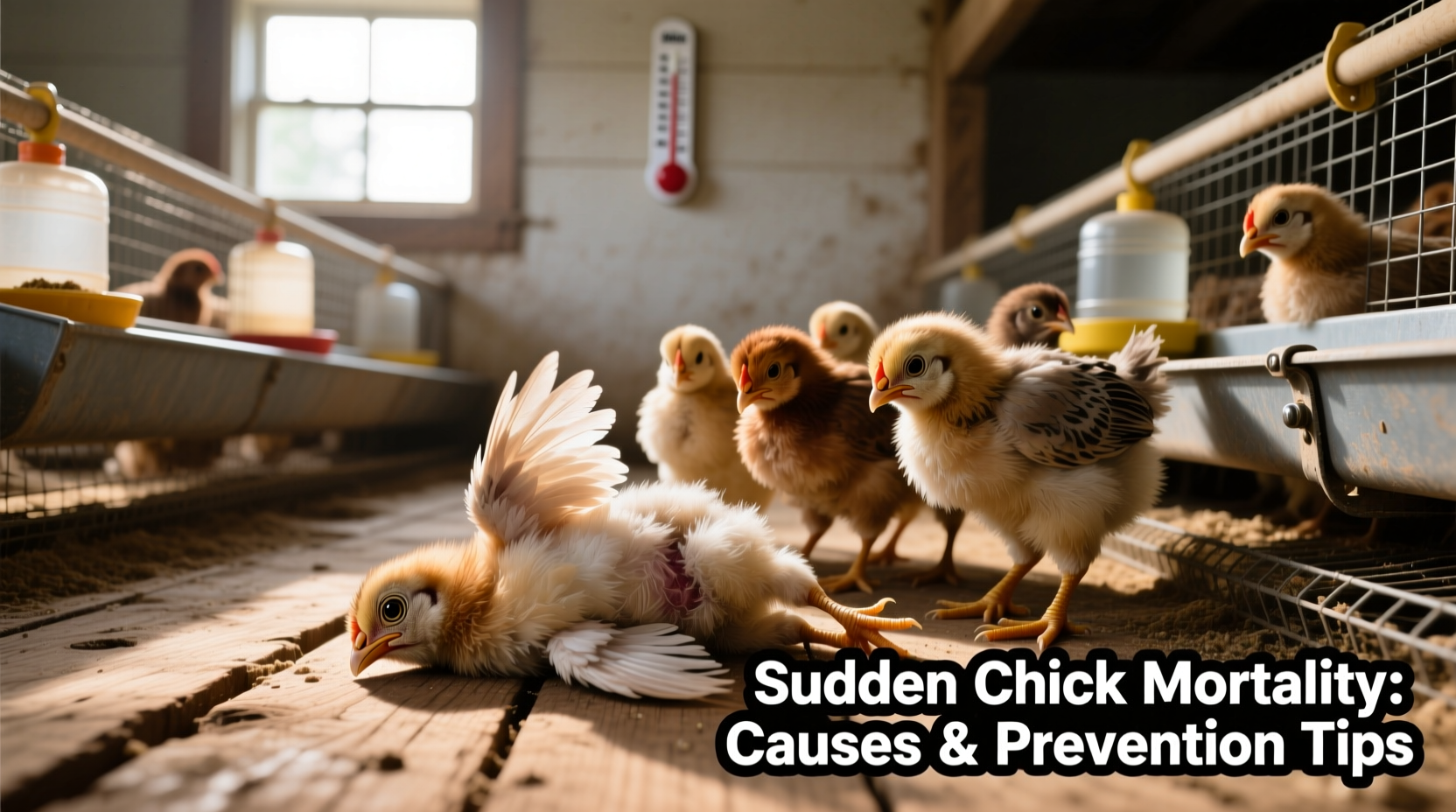
The sudden loss of chicks often stems from preventable environmental, nutritional, or health-related issues. While some losses may occur due to congenital defects, the majority result from mismanagement during the critical first weeks of life.
1. Temperature Stress
Chicks cannot regulate their body temperature effectively in the first week. If brooder temperatures are too low, chicks become chilled and huddle together, leading to suffocation. Conversely, excessive heat causes dehydration and heat stress. Both extremes can result in rapid death without obvious symptoms.
2. Poor Ventilation or Ammonia Buildup
Inadequate airflow in the brooder leads to ammonia accumulation from droppings. High ammonia levels damage respiratory tissues, suppress immunity, and can cause sudden death, especially in poorly ventilated coops or overcrowded setups.
3. Dehydration
Even a few hours without water can be fatal. Chicks may not recognize water sources initially, especially if the drinker is too deep or lacks visual cues (like marbles). Dehydration leads to lethargy, organ failure, and sudden collapse.
4. Nutritional Deficiencies
Feeding the wrong feed—such as medicated starter to non-chick species or using old, rancid feed—can lead to vitamin deficiencies (especially A, E, and B-complex), resulting in neurological issues, weakness, and sudden death.
5. Pasting Up (Pasty Butt)
A common issue in the first 7–10 days, pasting up occurs when feces block the vent. If not treated quickly, it prevents defecation, causing fatal toxicity. It’s often triggered by stress, temperature fluctuations, or poor diet.
6. Infectious Diseases
Bacterial infections like *E. coli*, *Salmonella*, and *Pasteurella*, as well as viral diseases such as Infectious Bronchitis or Marek’s disease (in older chicks), can spread rapidly in confined spaces. Some infections present with minimal outward signs before causing sudden death.
Prevention Strategies That Save Lives
Proactive care is far more effective than reactive treatment when it comes to chick mortality. Implementing consistent, science-backed practices reduces risk significantly.
Maintain Proper Brooder Temperature
Start with a brooder temperature of 95°F (35°C) at chick level during the first week, decreasing by 5°F each week until reaching room temperature or feathering is complete. Use a reliable thermometer placed where chicks rest—not near the heat lamp itself.
Ensure Clean, Accessible Water
Provide shallow waterers or add clean pebbles to prevent drowning. Add a splash of apple cider vinegar (1 tablespoon per gallon) to promote gut health and discourage bacterial growth. Check water sources every few hours in the first week.
Feed High-Quality Starter Feed
Use non-medicated, high-protein (18–20%) chick starter unless raising medicated breeds (like layer pullets in high-risk environments). Store feed in sealed, cool, dry containers to prevent mold and nutrient degradation.
Prevent Pasting Up
Gently wipe vents with a warm, damp cloth if you notice blockage. Prevent it by minimizing stress during shipping, maintaining stable temperatures, and offering probiotics in water during the first five days.
“Over 70% of early chick deaths I see in backyard flocks are due to temperature swings or dehydration—both completely avoidable with basic monitoring.” — Dr. Laura Simmons, Avian Veterinarian
Step-by-Step Daily Care Routine (First Week)
Establishing a routine ensures nothing is overlooked during this fragile period. Follow this daily checklist to minimize risks.
- Check temperature at floor level—adjust heat source as needed.
- Refill waterers with fresh, clean water; scrub and sanitize daily.
- Top off feed with fresh starter; remove any caked or wet feed.
- Observe behavior: Active, scattered chicks = good. Huddling = cold. Panting or avoiding heat = too hot.
- Inspect vents on 5–10 random chicks daily for pasting.
- Monitor for signs of illness: Lethargy, closed eyes, ruffled feathers, labored breathing.
- Ventilate the brooder without creating drafts—open windows slightly or use fans safely.
Disease Prevention and Biosecurity Checklist
- Wash hands before and after handling chicks.
- Disinfect brooder setup before introducing new chicks (use diluted bleach or poultry-safe disinfectant).
- Avoid sharing equipment between flocks.
- Quarantine sick birds immediately—even one ill chick can infect an entire batch.
- Vaccinate if available (e.g., Marek’s vaccine administered at hatch).
- Limit visitor access to the brooder area.
Common Mistakes and What to Avoid
Many chick deaths stem from simple oversights that experienced keepers learn to avoid. The following table outlines frequent errors and safer alternatives.
| Don’t Do This | Do This Instead |
|---|---|
| Using a heat lamp without a guard | Install a protective cage around the bulb to prevent fires and burns |
| Placing waterers directly on bedding | Elevate slightly or use spill-proof models to reduce dampness |
| Adding too many chicks per square foot | Allow 6–7 square feet per chick in the first week, increasing as they grow |
| Using newspaper as sole bedding | Use paper towels initially, then switch to pine shavings—newspaper causes leg problems |
| Introducing treats too early | Wait until at least two weeks; stick to starter feed initially |
Real-Life Example: A Preventable Tragedy
A backyard keeper in Oregon received 25 day-old chicks via mail. By day three, seven had died suddenly. Upon inspection, the brooder was warm on top but cold at floor level due to poor insulation. The waterer was deep, and several chicks had drowned. The remaining chicks showed signs of dehydration and pasting up. After adjusting the heat source, replacing the waterer with a shallower model, and manually cleaning affected vents, no further losses occurred. This case highlights how multiple small failures compound into disaster—and how simple fixes save lives.
Frequently Asked Questions
Why do my chicks die within the first 48 hours?
Sudden death in the first two days is often due to shipping stress, dehydration, or delayed access to food and water. Ensure chicks are given sugar water (1 tablespoon per cup) for the first 24 hours to boost energy, and guide them to water by dipping their beaks gently.
Can cold weather kill chicks instantly?
Yes. Chicks exposed to temperatures below 70°F without adequate heat can become hypothermic within hours. Even brief exposure during transport or power outages can be fatal. Always have a backup heating plan, such as a generator or heated pad.
How can I tell if my chicks are too hot or too cold?
Behavior is the best indicator. Chicks huddled under the heat lamp are cold. Those panting, wings spread, and staying at the edges are too hot. Ideal behavior: evenly distributed, active, with occasional peeping.
Final Thoughts and Action Plan
Sudden chick deaths are rarely random. Most result from identifiable and correctable factors in environment, nutrition, or hygiene. By maintaining precise temperatures, ensuring constant access to clean water, feeding appropriate starter feed, and observing chicks closely, mortality rates can drop from double digits to under 5%. Knowledge, vigilance, and consistency are the foundation of successful chick rearing.




 浙公网安备
33010002000092号
浙公网安备
33010002000092号 浙B2-20120091-4
Comments
No comments yet. Why don't you start the discussion?