
Walk into any pet boutique or scroll through online retailers, and you’ll notice something peculiar: clothing lines specifically labeled for Chihuahuas sit side by side with general “small dog” apparel. At first glance, the price tags, designs, and materials may seem nearly identical. So, what gives? Is there a real functional difference between Chihuahua-specific garments and those marketed for small dogs broadly—or is this just clever segmentation designed to justify premium pricing?
The answer lies somewhere in between. While all Chihuahuas are small dogs, not all small dogs share the same body structure, temperament, or climate needs. Understanding these nuances can save pet owners money, prevent ill-fitting outfits, and ensure their dogs stay comfortable—especially during colder months.
Anatomy Matters: Why Fit Isn’t One-Size-Fits-All
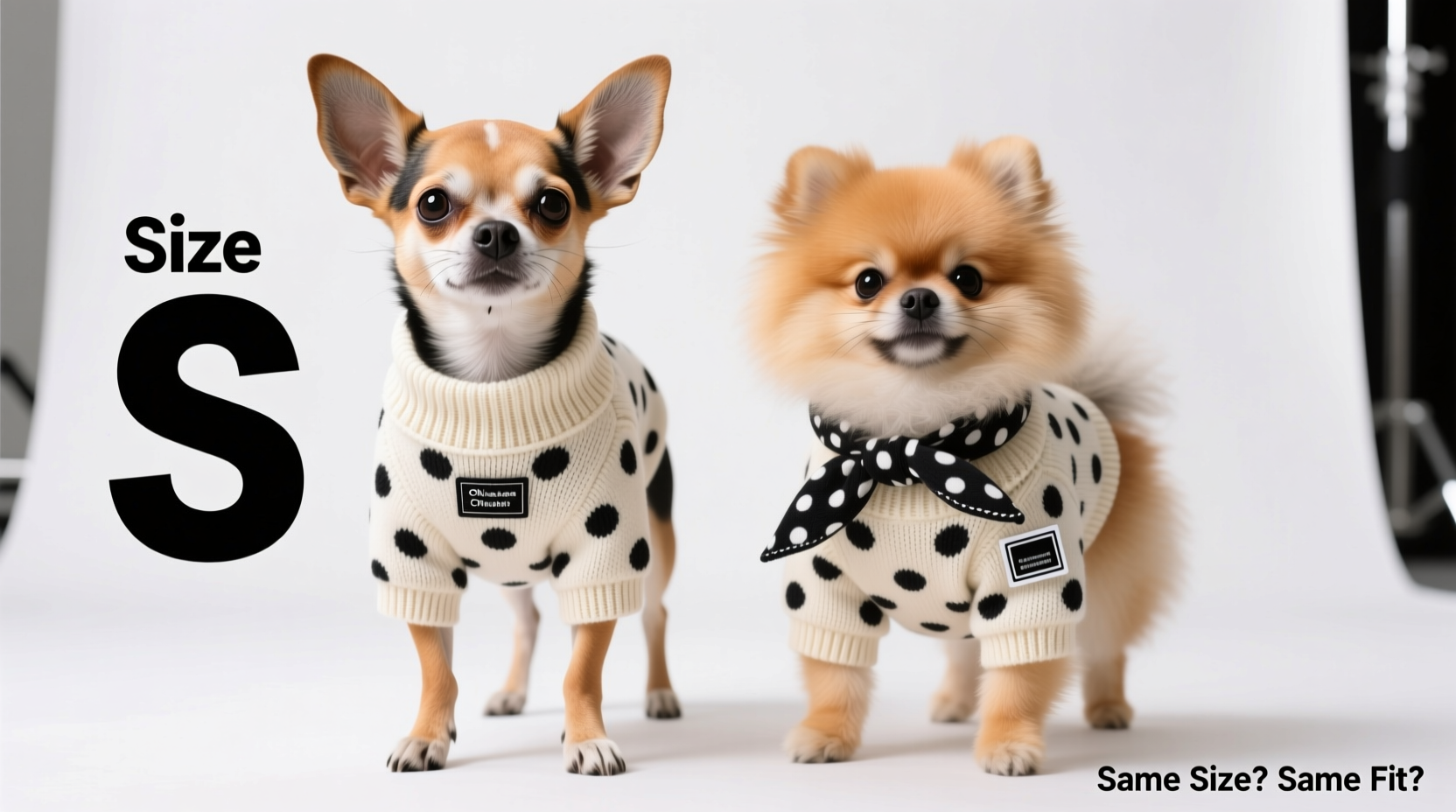
Chihuahuas have a distinct physique compared to other small breeds like Pomeranians, Shih Tzus, or toy poodles. They typically feature:
- A compact, upright posture with a high chest
- Narrow shoulders and a tucked abdomen
- A prominent apple-shaped head and short neck
- Long legs relative to body length in some varieties (deer-type Chihuahuas)
These physical traits mean that even if a garment fits a 5-pound Pomeranian snugly, it might gape at the neck or restrict movement on a Chihuahua. Garments designed specifically for Chihuahuas often account for this with:
- Tighter neck openings to prevent slipping
- Shorter torso lengths to avoid bunching under the belly
- Elasticized chest bands instead of relying solely on shoulder width
Material and Climate Considerations
Chihuahuas are notoriously sensitive to cold due to their low body fat and thin coat. This has led many manufacturers to prioritize thermal insulation in Chihuahua-specific clothing—using fleece linings, wind-resistant outer layers, and turtleneck designs. In contrast, general small dog apparel may emphasize fashion over function, featuring lighter cotton blends or decorative elements unsuitable for outdoor wear.
However, not all Chihuahuas live in cold climates. A dog in Phoenix doesn’t need a wool-lined jacket, just as a Yorkshire Terrier in Minnesota might benefit from the same thermal protection as a Chihuahua. The key is matching the garment to environmental demands, not just breed labels.
“Just because a sweater says ‘for Chihuahuas’ doesn’t mean it’s better. Look at fabric weight, seam placement, and ease of movement. Those matter more than the label.” — Dr. Lena Ruiz, Veterinary Behaviorist & Pet Product Consultant
Comparative Breakdown: Chihuahua vs. Small Dog Clothing Features
| Feature | Chihuahua-Specific Clothes | General Small Dog Clothes |
|---|---|---|
| Neck Design | Snug, reinforced collars; often higher cut | Standard round or V-necks; may gap |
| Chest Fit | Contoured for narrow shoulders, deep chest | Balanced for broader-chested breeds (e.g., French Bulldog mixes) |
| Length (Back) | Shorter cut to avoid hind leg interference | May extend further, risking tripping or chafing |
| Insulation | Frequent use of thermal fabrics | Varies widely; often fashion-first |
| Price Range | $18–$40+ (premium branding common) | $12–$30 (broader market competition) |
| Design Focus | Function + breed pride | Variety, trends, seasonal themes |
Marketing Tactics Behind the Label
There’s no denying that branding plays a role. “Chihuahua clothes” evoke a sense of exclusivity and tailored care. Retailers leverage emotional appeal—photos of tiny dogs in designer coats, slogans like “Made for Their Tiny Frames”—to position these items as superior.
In reality, many so-called Chihuahua-specific brands use the same manufacturing templates as their generic small dog lines, merely adjusting labels and packaging. Some companies even rebrand the same garment under multiple breed names (e.g., “For Chihuahuas,” “For Toy Breeds”), capitalizing on niche targeting without altering design.
This isn’t inherently deceptive—but it does mean consumers should look beyond the tag. A well-made garment from a reputable small dog line can outperform a poorly constructed “breed-specific” piece.
Real Example: Maria’s Experience in Denver
Maria owns a 4-pound long-coat Chihuahua named Luna. Living in Colorado, she needed a reliable winter coat. She first bought a popular “Chihuahua Winter Warrior” jacket priced at $38. Despite the breed-specific claim, the neck was too loose, and Luna backed out of it twice during walks.
Next, Maria tried a generic small-dog fleece from a lesser-known brand ($22). With adjustable Velcro at the neck and chest, it stayed secure and provided equal warmth. She later discovered both garments were manufactured by the same overseas supplier—only the branding differed.
Her takeaway: “I wasted money on the label, not the quality. Now I check fit and fasteners first, breed tag last.”
How to Choose the Right Clothing—Regardless of Label
Instead of defaulting to breed-specific options, follow this practical checklist when shopping for any small dog:
- Measure your dog: Neck, chest (widest point), and back length from base of neck to tail.
- Check return policies—many online sellers allow exchanges if sizing is off.
- Prioritize adjustable closures (Velcro, elastic, snap buttons) over fixed cuts.
- Feel the fabric: It should be soft, non-irritating, and appropriate for your climate.
- Test mobility: Once dressed, your dog should walk, sit, and squat comfortably.
- Avoid excessive embellishments (large bows, dangling strings) that could snag or be chewed.
- Washability: Machine-washable items save time and maintain hygiene.
FAQ: Common Questions About Chihuahua and Small Dog Apparel
Can I use small dog clothes for my Chihuahua?
Yes, but only if the fit aligns with your dog’s proportions. Many Chihuahuas do fine in generic small sizes, especially if the garment has adjustable features. Always double-check measurements and monitor for rubbing or restriction.
Why are Chihuahua clothes often more expensive?
Premium pricing often reflects targeted marketing, perceived exclusivity, and smaller production runs—not necessarily better materials or construction. Compare specs closely before assuming higher cost means higher value.
Do Chihuahuas really need clothes?
Not always, but many benefit from them. Due to their size and minimal body fat, Chihuahuas lose heat quickly. In temperatures below 60°F (15°C), a light sweater can prevent discomfort or shivering. Indoor drafts, air conditioning, and short-haired varieties increase the need for coverage.
Final Thoughts: Look Beyond the Label
The distinction between Chihuahua clothes and small dog clothes exists—but it’s more nuanced than marketing suggests. True differences emerge in fit precision and functional design, not in magical breed-specific technology. A well-made, properly sized garment from a general small dog line can serve a Chihuahua just as effectively as a pricier, branded alternative.
The smart approach? Treat breed-specific labels as a starting point, not a guarantee. Focus on measurements, material quality, and how your dog responds in real-world use. Comfort, safety, and practicality should outweigh branding every time.




 浙公网安备
33010002000092号
浙公网安备
33010002000092号 浙B2-20120091-4
Comments
No comments yet. Why don't you start the discussion?