
Chocolate may be a daily indulgence for many people, but it poses a serious health risk to dogs. Every year, thousands of pets are affected by accidental chocolate ingestion, some with life-threatening consequences. While the dangers are widely known among veterinarians, many pet owners still underestimate just how little chocolate can harm their dog. Understanding the science behind chocolate toxicity, recognizing the signs early, and knowing how to respond can mean the difference between a mild scare and a tragic outcome.
The Science Behind Chocolate Toxicity in Dogs
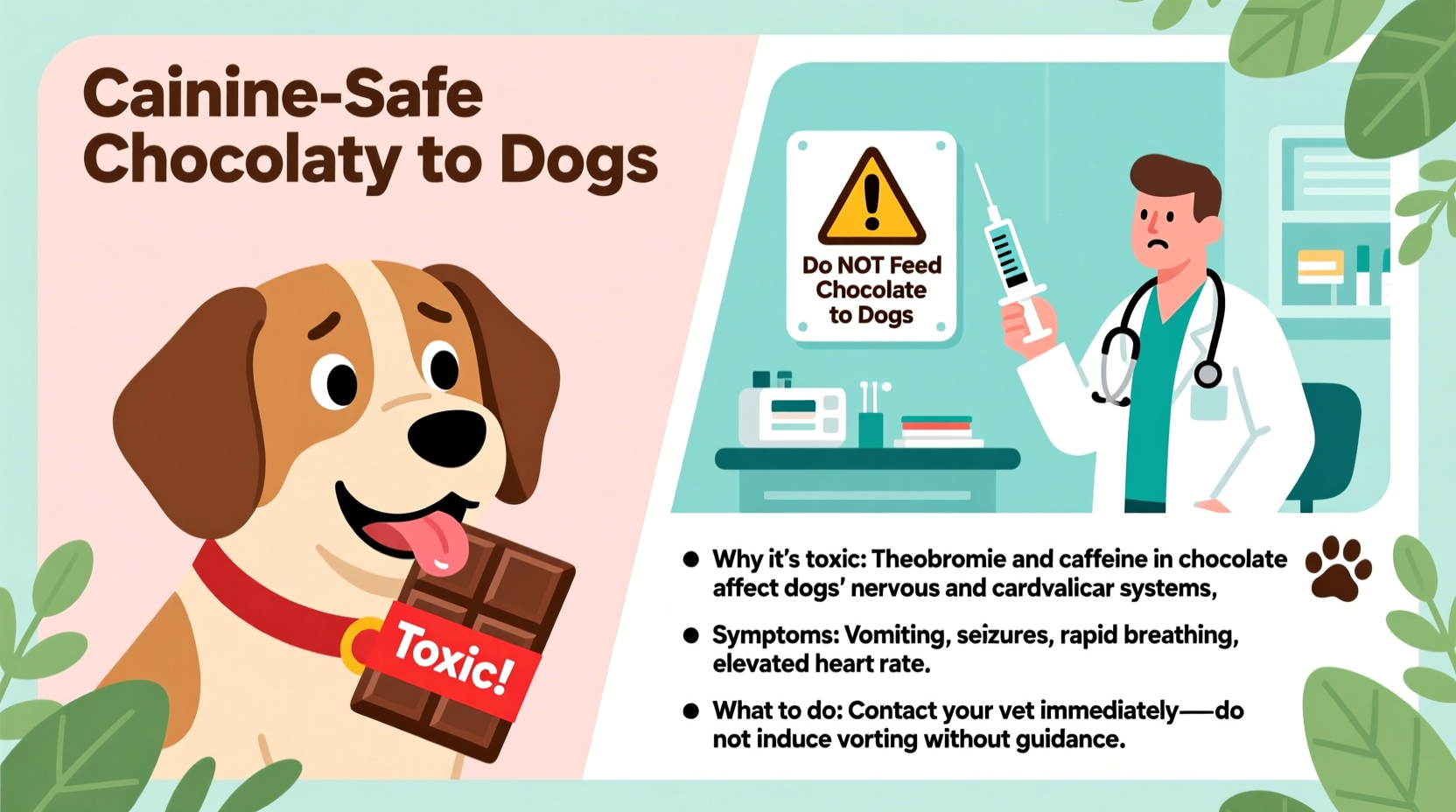
Chocolate contains two main compounds that are toxic to dogs: theobromine and caffeine. Both belong to a class of chemicals called methylxanthines, which dogs metabolize much more slowly than humans. Theobromine, in particular, is the primary culprit. In humans, it’s processed efficiently and eliminated within hours. In dogs, however, it can remain in the bloodstream for up to 20 hours, leading to a buildup that affects the central nervous system, cardiovascular system, and respiratory function.
The concentration of theobromine varies depending on the type of chocolate. Darker, more concentrated forms contain significantly higher levels. For example, baking chocolate has nearly ten times the theobromine content of milk chocolate. Even small amounts of dark or gourmet chocolate can trigger toxic reactions in medium to large dogs, while tiny breeds can fall ill from just a few bites of a standard chocolate bar.
“Dogs lack the enzymes needed to break down theobromine efficiently. This means even modest exposure can lead to severe symptoms.” — Dr. Laura Simmons, DVM, Veterinary Toxicologist
How Much Chocolate Is Dangerous?
There is no safe amount of chocolate for dogs, but toxicity depends on three key factors: the type of chocolate, the amount consumed, and the dog’s weight. A 10-pound Chihuahua faces far greater risk from a single ounce of dark chocolate than a 70-pound Labrador would from the same portion. However, even large dogs are not immune—especially when it comes to high-theobromine products like cocoa powder or baker’s chocolate.
To help assess risk, here's a general reference table:
| Chocolate Type | Theobromine (mg per oz) | Danger Threshold (for 20 lb dog) |
|---|---|---|
| Milk Chocolate | 44–60 mg | More than 2 oz |
| Semisweet/Dark Chocolate | 130–150 mg | As little as 1 oz |
| Baking Chocolate | 390–450 mg | Less than 0.5 oz |
| Cocoa Powder | 400–600 mg | Less than 0.3 oz |
As a rule of thumb, doses exceeding 20 mg of theobromine per kilogram of body weight can cause mild symptoms. At 40–50 mg/kg, the risk of seizures and cardiac issues increases significantly. Above 60 mg/kg, the condition becomes potentially fatal without intervention.
Symptoms of Chocolate Poisoning in Dogs
Symptoms typically appear within 6 to 12 hours after ingestion but can begin as early as one hour post-consumption. The severity depends on the dose and the individual dog’s sensitivity. Common signs include:
- Vomiting and diarrhea
- Restlessness or hyperactivity
- Increased heart rate
- Tremors or muscle twitching
- Excessive panting
- Seizures
- Abnormal heart rhythms
- In extreme cases, collapse or death
Early detection is crucial. Some dogs may seem fine at first, only to deteriorate rapidly as theobromine levels peak. If you suspect your dog has eaten chocolate—even if they haven’t shown symptoms yet—do not wait. Immediate action improves outcomes dramatically.
What to Do If Your Dog Eats Chocolate: Step-by-Step Guide
If your dog consumes chocolate, follow these steps without delay:
- Stay calm and assess the situation. Note the type of chocolate, estimated amount eaten, and time of ingestion.
- Contact your veterinarian or an animal poison control center immediately. Provide details including your dog’s weight and any observed symptoms.
- Do not induce vomiting unless instructed. Some situations make vomiting unsafe, especially if the dog is already showing neurological signs.
- Follow professional guidance. Your vet may recommend bringing your dog in for treatment, which could include activated charcoal to absorb toxins, IV fluids, medications to control heart rate or seizures, and close monitoring.
- Monitor your dog closely over the next 24–72 hours. Even if initial symptoms subside, complications can arise later due to lingering theobromine.
In emergencies, contact the ASPCA Animal Poison Control Center at (888) 426-4435 or the Pet Poison Helpline at (855) 764-7661. Both offer 24/7 support, though there may be a consultation fee.
Real-Life Scenario: A Close Call with Baking Chocolate
One winter evening, Sarah returned home to find her 35-pound Border Collie mix, Max, acting unusually agitated. She noticed wrapper remnants on the floor—an entire 4-ounce bar of baking chocolate was missing. Though Max wasn’t vomiting, he was pacing, panting heavily, and wouldn’t settle.
She called her vet immediately. Based on Max’s weight and the high theobromine content of baking chocolate, the vet advised emergency care. At the clinic, Max received intravenous fluids and anti-seizure medication. He stayed overnight for observation and recovered fully—but only because treatment began within two hours of ingestion.
Sarah now keeps all baking supplies locked away and uses pet-safe alternatives when making homemade treats. “I thought he’d just get an upset stomach,” she said. “I had no idea how quickly it could turn serious.”
Prevention Tips and Long-Term Safety
Preventing chocolate poisoning starts with awareness and consistent habits. Consider the following checklist to safeguard your pet:
- Store chocolate in closed cabinets or pantries inaccessible to pets.
- Educate family members, especially children, about the dangers.
- Avoid leaving purses, backpacks, or grocery bags unattended—dogs can easily access hidden candy bars.
- Use pet-safe treats during holidays instead of sharing human desserts.
- Be extra vigilant during festive seasons like Halloween, Christmas, and Valentine’s Day when chocolate is abundant.
Frequently Asked Questions
Can a small amount of milk chocolate really hurt my dog?
It depends on the dog’s size and the quantity. A large dog might experience only mild digestive upset from a small piece of milk chocolate, but smaller dogs can develop serious symptoms. It’s never worth the risk—better to avoid entirely.
Are there any safe chocolate alternatives for dogs?
Yes—carob is a popular, non-toxic substitute often used in dog treats. It looks and tastes somewhat similar to chocolate but contains no theobromine or caffeine. Always check labels to ensure no actual chocolate has been added.
How long does it take for symptoms to go away?
Mild cases may resolve within 24 hours with supportive care. Severe poisoning can require several days of hospitalization. Full recovery depends on prompt treatment and the total theobromine load absorbed.
Conclusion: Protect Your Pet with Knowledge and Action
Chocolate toxicity in dogs is both preventable and treatable—if addressed quickly. Knowing the risks, recognizing the signs, and acting decisively can save your dog’s life. Never assume a small amount is harmless, and never wait for symptoms to appear before seeking help. Responsible pet ownership means keeping dangerous foods out of reach and being prepared for emergencies.




 浙公网安备
33010002000092号
浙公网安备
33010002000092号 浙B2-20120091-4
Comments
No comments yet. Why don't you start the discussion?