
Interior design should never come at the cost of comfort—especially when that discomfort stems from allergic reactions. For those with sensitivities, selecting cushion covers isn’t just about color or texture; it’s a health consideration. Yet, luxury and wellness don’t have to be mutually exclusive. With thoughtful material choices, proper construction, and informed sourcing, it’s entirely possible to enjoy high-end aesthetics without compromising respiratory or dermal health.
Allergens like dust mites, mold spores, and chemical residues can accumulate in poorly chosen fabrics, turning elegant living spaces into irritant traps. The good news is that modern textile innovation has produced luxurious, breathable, and hypoallergenic options that rival traditional allergen-prone materials in both elegance and durability.
Understanding Common Allergens in Cushion Covers
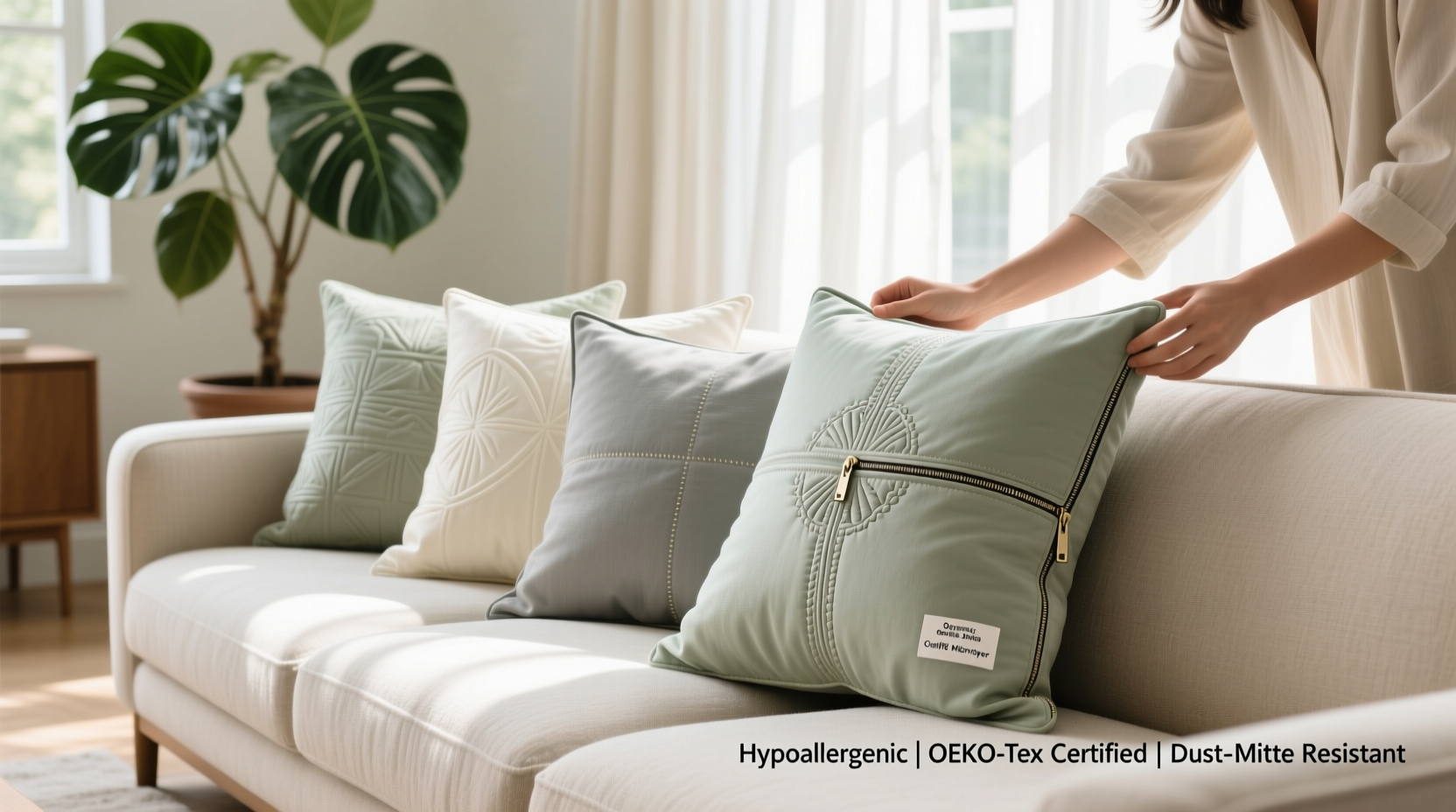
The first step in making a safe choice is understanding what you’re avoiding. Indoor allergens often originate not from the cushion fill but from the cover fabric and its treatment. Key culprits include:
- Dust mites: Microscopic organisms that thrive in warm, soft textiles, particularly natural fibers like untreated cotton or down-filled linings.
- Mold and mildew: Can develop in humid environments, especially on non-breathable or moisture-retaining synthetics.
- Chemical dyes and finishes: Formaldehyde resins, flame retardants, and azo dyes used in mass-produced textiles may trigger skin irritation or respiratory issues.
- Fiber shedding: Low-quality weaves or loosely spun yarns release lint and microfibers into the air.
Even high-end brands sometimes prioritize appearance over breathability or safety. Always inspect labels and certifications—not all “luxury” implies low reactivity.
Hypoallergenic Luxury Fabrics Worth Considering
Luxury doesn’t require wool, silk, or down—all of which are common allergen magnets. Instead, several modern alternatives offer sumptuous textures while minimizing risk.
| Fabric | Allergy Benefits | Luxury Appeal | Care Notes |
|---|---|---|---|
| Pima Cotton (Organic) | Naturally breathable, less likely to harbor dust mites when tightly woven | Soft sheen, silky hand-feel, excellent drape | Machine washable; avoid fabric softeners |
| TENCEL™ (Lyocell) | Resists bacterial growth, moisture-wicking, biodegradable | Smooth, lustrous finish; drapes like silk | Hand wash or gentle cycle; air dry |
| Linen (OEKO-TEX® certified) | Low static, naturally antimicrobial, highly breathable | Rustic elegance, textured sophistication | Wrinkles easily; iron while damp |
| Polyester (Recycled, Microfiber) | Non-porous, resistant to dust mites and mold | Can mimic velvet or suede; durable | Easy care; may trap heat if not ventilated |
| Bamboo Rayon (Certified) | Inherently anti-microbial, thermo-regulating | Plush, silky feel; eco-luxury appeal | Delicate; use pH-neutral detergent |
Among these, TENCEL™ stands out for allergy sufferers due to its closed-loop production process and resistance to microbial buildup. When paired with a hidden zipper and removable insert, it becomes both hygienic and stylish.
“Patients with eczema or asthma often report symptom improvement after switching to non-irritant bedding and upholstery. Fabric choice directly impacts indoor air quality.” — Dr. Lena Patel, Environmental Health Specialist
Designing for Sensitivity Without Sacrificing Style
Many assume hypoallergenic means minimalist or clinical—but this is outdated. Today’s eco-luxury market offers rich textures, deep hues, and artisanal weaves that meet rigorous safety standards.
Consider these strategies:
- Choose tight weaves: Sateen, percale, or twill weaves reduce allergen penetration better than loose knits.
- Avoid feather-filled inserts: Opt for hypoallergenic poly-fill or latex-free foam cores sealed in cotton casings.
- Pre-wash new covers: Removes residual processing chemicals and reduces off-gassing.
- Select dark, rich tones: Naturally dyed indigo, charcoal, or moss green can add depth without synthetic pigments.
Pattern selection also matters. Highly textured jacquards or bouclé weaves may look opulent but can trap dust. Flatweave damasks or embroidered overlays on smooth bases offer visual interest with easier cleaning.
Step-by-Step Guide: Selecting Your Ideal Cushion Cover
- Assess your sensitivity level: Identify whether you react to dust, chemicals, or animal fibers. Keep a symptom journal if unsure.
- Research certifications: Prioritize products with OEKO-TEX®, GOTS (Global Organic Textile Standard), or Cradle to Cradle labels.
- Inspect construction: Look for double-stitched seams, concealed zippers, and inner lining details.
- Request swatches: Test fabric against your wrist or neck for 15 minutes to check for immediate irritation.
- Verify cleaning methods: Ensure the cover can be washed at home or professionally cleaned without degradation.
- Invest in covers with removable inserts: Allows for frequent washing and prevents allergen buildup inside.
Real-World Example: A Home Makeover for Allergy Relief
Sophie M., a graphic designer from Portland, suffered from chronic sinus congestion and itchy eyes despite regular vacuuming. After consulting an environmental allergist, she discovered her living room sofa cushions—adorned with imported silk-blend covers—were hosting dust mite colonies. The silk was non-washable, and the cotton batting inside had never been replaced.
She replaced all cushion covers with OEKO-TEX®-certified TENCEL™ in deep navy, added zippered cotton barriers around the inserts, and began laundering them every three weeks. Within a month, her nighttime congestion decreased significantly. “I didn’t realize how much my decor was affecting my health,” she said. “Now my space feels cleaner, calmer—and still looks expensive.”
Essential Checklist Before Buying
- ☑ Is the fabric certified hypoallergenic or eco-safe (e.g., OEKO-TEX®, GOTS)?
- ☑ Does it have a tight weave or protective finish?
- ☑ Can the cover be removed and machine-washed?
- ☑ Are dyes and treatments non-toxic and low-VOC?
- ☑ Is the insert separate and made of hypoallergenic material?
- ☑ Has the brand provided third-party testing data?
- ☑ Does the seller offer fabric swatches for testing?
Frequently Asked Questions
Can I use essential oils to freshen cushion covers?
While appealing, undiluted essential oils can degrade certain fibers and may irritate sensitive skin or lungs. If needed, lightly mist a linen spray on the surrounding air—not directly on the fabric—and ensure ventilation.
Are organic cotton cushion covers always better for allergies?
Not necessarily. Organic cotton is pesticide-free, but unless tightly woven or treated for allergen resistance, it can still absorb moisture and host dust mites. Combine organic status with a tight weave and easy washability for best results.
How often should I wash luxury cushion covers?
Every 3–4 weeks under normal use. More frequently if someone in the household has active allergies, pets, or smokes indoors. Always follow manufacturer instructions to preserve fabric integrity.
Final Thoughts: Elevate Your Space, Protect Your Health
Luxury shouldn’t demand compromise. When it comes to cushion covers, the intersection of style and sensitivity is not only achievable—it’s essential for long-term well-being. By prioritizing clean materials, intelligent design, and verified safety standards, you create a home that looks exquisite and feels truly restorative.
Start small: replace one set of cushion covers with a certified hypoallergenic option. Notice the difference in air quality, ease of cleaning, and physical comfort. Over time, build a living environment that supports both your aesthetic vision and your body’s needs.




 浙公网安备
33010002000092号
浙公网安备
33010002000092号 浙B2-20120091-4
Comments
No comments yet. Why don't you start the discussion?