
Puppies explore the world with their mouths. Chewing is a natural, essential behavior that helps relieve teething discomfort, build jaw strength, and satisfy curiosity. But not all chew items are created equal—some can pose serious health risks, from choking hazards to toxic materials. Choosing the right chew object balances safety, durability, and engagement. With the right knowledge, you can guide your puppy toward healthy chewing habits while protecting their well-being.
Why Chewing Matters in Early Development
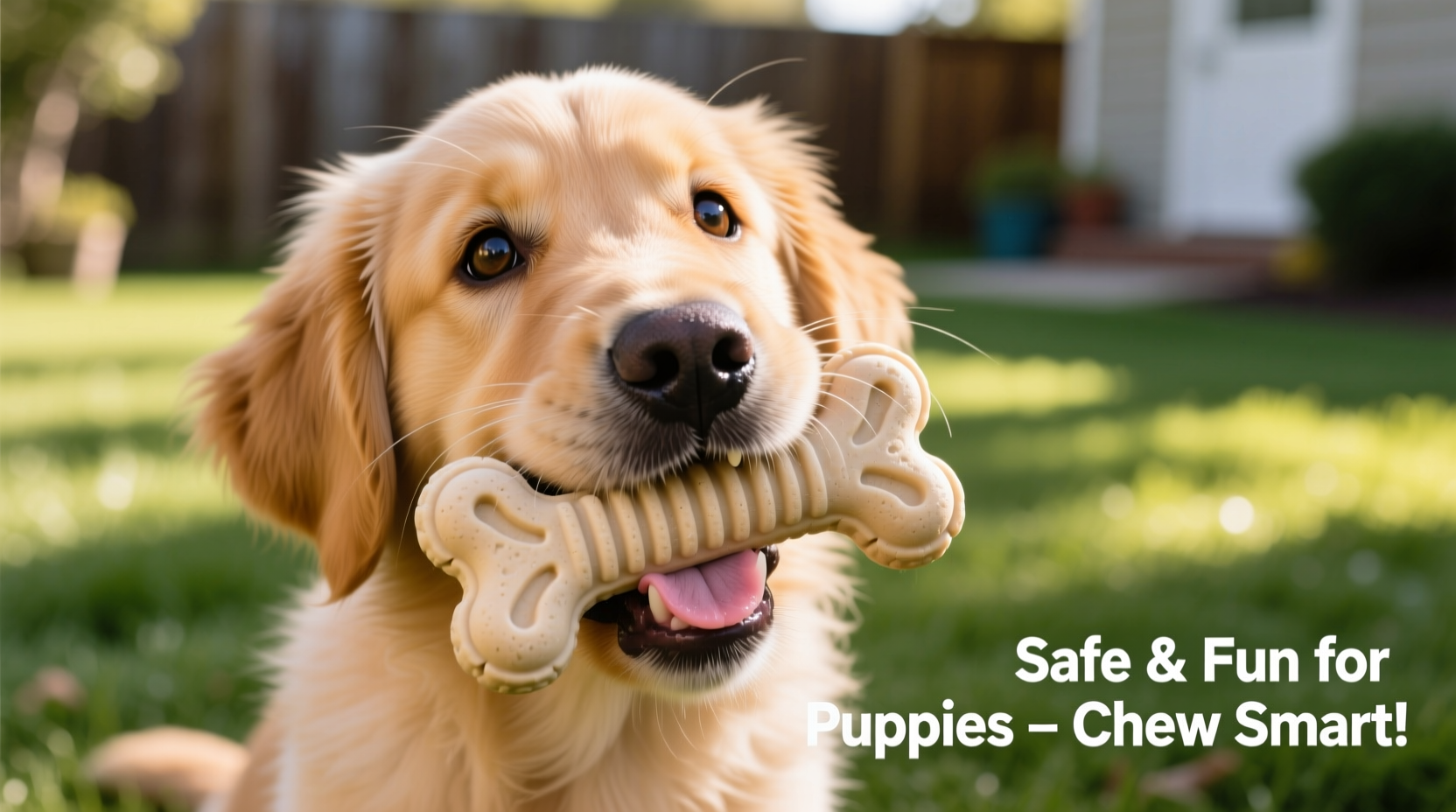
From three to six months of age, puppies go through a teething phase where baby teeth fall out and adult teeth emerge. This process causes gum irritation, leading to increased chewing. Beyond physical comfort, chewing supports mental development by reducing anxiety and preventing destructive behaviors. Puppies who don’t have appropriate outlets may turn to furniture, shoes, or electrical cords.
Providing suitable chew items teaches bite inhibition—the ability to control jaw pressure—and reinforces boundaries. It also channels excess energy, which is crucial for breeds with high activity levels. The goal isn't just to occupy your puppy but to support their growth into a well-adjusted adult dog.
Safety First: What to Avoid in Chew Toys
The pet market is flooded with chew products, but many contain hidden dangers. Hard bones, antlers, and synthetic nylon chews can fracture teeth—especially in small or young dogs. According to the American Veterinary Dental College, fractured teeth are one of the most common injuries from inappropriate chew items.
Avoid anything that can splinter, break into small pieces, or be swallowed whole. Rawhide remains controversial; while popular, it poses choking and intestinal blockage risks if ingested in large chunks. Similarly, compressed rawhide or starch-based chews may expand in the stomach, causing obstructions.
Also steer clear of toys with strong chemical scents or artificial dyes. These additives may irritate sensitive digestive systems or trigger allergic reactions. Always inspect labels for non-toxic certification and manufacturing origin—products made in countries with strict safety regulations tend to be more reliable.
“Chewing is normal, even necessary—but safety must come before convenience. If a toy is harder than your dog’s tooth, it’s too hard.” — Dr. Karen Becker, Integrative Veterinarian
Top Chew Options Ranked by Safety and Suitability
The ideal chew toy matches your puppy’s size, breed, chewing intensity, and developmental stage. Below is a comparison of common options based on safety, digestibility, durability, and veterinary recommendation.
| Chew Type | Safety | Digestibility | Durability | Best For |
|---|---|---|---|---|
| Rubber Toys (e.g., Kong Puppy) | ★★★★★ | N/A (non-edible) | High | All breeds, especially aggressive chewers |
| Soft Plush with Reinforced Stitching | ★★★☆☆ | N/A | Low-Moderate | Young pups, light chewers |
| Calf Skin Rolls (undyed, untreated) | ★★★★☆ | High | Moderate | Puppies needing edible chews |
| Frozen Washcloth or Carrot | ★★★★★ | High | Low | Teething relief |
| Rawhide Alternatives (e.g., sweet potato twists) | ★★★☆☆ | Moderate | Low-Moderate | Occasional use under supervision |
| Antlers or Hard Bones | ★☆☆☆☆ | N/A | Very High | Not recommended for puppies |
Recommended Brands and Features
- Kong Puppy Toy: Made from soft rubber designed for emerging teeth. Can be stuffed with yogurt or wet food and frozen for extended engagement.
- Nylabone DuraChew Puppy: Flavored, textured surface promotes cleaning. Choose only puppy-specific versions, as adult versions are too rigid.
- Benebone Wishbone (Puppy Size): Ergonomic shape with real meat flavoring. Made from food-grade nylon, though not digestible—should be used under supervision.
- Earth Animal No-Hide Chews: Plant-based alternative to rawhide, fully digestible and free from chemicals.
Step-by-Step Guide to Introducing New Chew Toys
Introducing chew items properly ensures acceptance and prevents confusion with household objects. Follow this timeline:
- Week 1 (Ages 8–10): Offer soft, flexible rubber toys or damp, frozen washcloths twisted into knots. These soothe sore gums without risking enamel damage.
- Weeks 2–4: Introduce edible chews like dehydrated chicken strips or organic carrots (cut into short sticks). Monitor digestion and discontinue if diarrhea occurs.
- Month 2 onward: Gradually add durable rubber toys. Use positive reinforcement when your puppy chooses the toy over off-limits items.
- Ongoing: Rotate 3–5 approved chews weekly. Discard any item with sharp edges, loose parts, or significant wear.
- Monthly Check: Assess your puppy’s chewing style. Light chewers may thrive on softer options; power chewers need reinforced rubber or vet-approved dental chews.
Real Example: Managing a Labrador’s Chewing Phase
Max, a 10-week-old Labrador Retriever, began destroying baseboards and slippers within days of arriving home. His owners initially gave him old tennis balls and leftover steak bones—both dangerous choices. After consulting their vet, they switched to a rotation of Kong Puppy toys filled with mashed banana and frozen, along with a certified organic bully stick (size-appropriate and sourced from grass-fed cattle).
Within a week, Max showed less interest in furniture. The stuffed Kongs provided mental stimulation, and the bully stick satisfied his urge to gnaw. By 16 weeks, he had learned to go to his “chew basket” when excited. The key was consistency, supervision, and replacing unsafe items before harm occurred.
Checklist: Selecting the Right Chew for Your Puppy
- ✅ Matches your puppy’s size and breed (no small parts that can be swallowed)
- ✅ Soft enough not to damage developing teeth
- ✅ Non-toxic, free from BPA, phthalates, and artificial dyes
- ✅ Easy to clean (rubber toys should be dishwasher-safe)
- ✅ Supervised during use, especially with edible chews
- ✅ Replaced when worn, cracked, or frayed
- ✅ Varied regularly to prevent habituation
Frequently Asked Questions
Can puppies chew on bones?
No, not during the teething phase. Cooked bones splinter easily and cause internal injuries. Even raw bones carry bacterial risks (like Salmonella) and can lead to tooth fractures. Safer alternatives include soft rubber toys or veterinarian-approved edible chews.
How long should a puppy chew each day?
There’s no set time limit, but multiple short sessions (10–15 minutes) are better than one long session. Chewing should be part of a balanced routine that includes play, training, and rest. Over-chewing may indicate anxiety or nutritional deficiency.
Are pig ears safe for puppies?
Pig ears are high in fat and can cause pancreatitis in some dogs. They also pose choking risks if swallowed in large pieces. If used at all, offer them infrequently and only under direct supervision. Healthier options include dehydrated duck feet or lamb pizzle sticks designed for small breeds.
Final Thoughts
Choosing what your puppy chews on isn’t just about keeping them busy—it’s a critical part of their physical and behavioral development. The safest and most effective chews combine softness, non-toxic materials, and engagement value. Rubber toys like the Kong Puppy series remain top-tier for durability and versatility, while natural, digestible chews offer a satisfying alternative when monitored closely.
Your puppy looks to you to define what’s acceptable. By offering smart, safe choices today, you’re building lifelong habits that protect their health and strengthen your bond. Start with one or two vet-recommended options, observe your puppy’s response, and adjust as they grow.




 浙公网安备
33010002000092号
浙公网安备
33010002000092号 浙B2-20120091-4
Comments
No comments yet. Why don't you start the discussion?