
The Samsung Galaxy Z Flip series combines sleek design with innovative foldable technology, making it one of the most stylish smartphones on the market. But with great design comes greater responsibility—especially when it comes to protection. The right case doesn’t just shield your device; it enhances usability, reflects personal style, and ensures longevity. With so many materials available—from rugged polycarbonate to premium leather—the decision can be overwhelming. Understanding the strengths and trade-offs of each material is key to finding the perfect balance between durability and aesthetics.
Why Case Material Matters More Than You Think
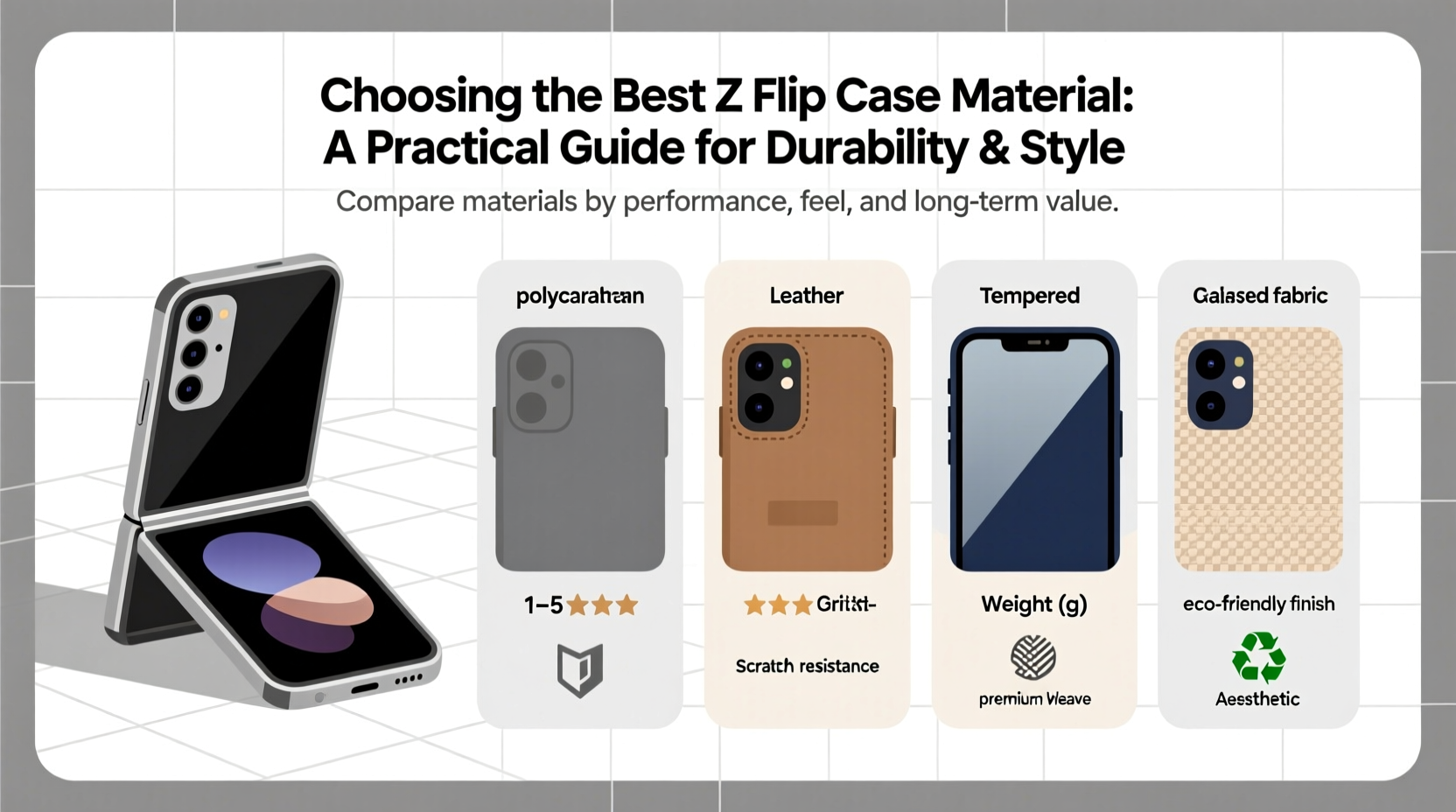
A smartphone case does more than prevent scratches. For a foldable device like the Z Flip, the material directly impacts hinge protection, drop resistance, grip, and even heat dissipation. Unlike traditional phones, the Z Flip’s flexible screen and delicate folding mechanism require cases that offer structural support without interfering with movement. A poorly chosen material might crack under pressure, yellow over time, or make the phone slippery in hand. The ideal case should absorb shock, resist wear, and maintain its appearance through daily use.
Additionally, material choice affects weight and bulk. Some users prioritize minimalism, while others value maximum protection—even if it adds thickness. Environmental factors also play a role: silicone may degrade faster in sunlight, while TPU (thermoplastic polyurethane) offers flexibility but can attract dust. Selecting the right material means evaluating how you use your phone, where you take it, and what kind of aesthetic you want to project.
Common Case Materials Compared
Not all materials are created equal. Each has distinct advantages and drawbacks depending on lifestyle, usage patterns, and environmental exposure. Below is a detailed comparison of the most widely used case materials for the Z Flip.
| Material | Durability | Style Options | Pros | Cons |
|---|---|---|---|---|
| TPU (Thermoplastic Polyurethane) | Moderate-High | High | Flexible, shock-absorbent, slim profile, affordable | Can yellow over time, attracts lint and dust |
| Polycarbonate (Hard Plastic) | High | Moderate | Rigid protection, scratch-resistant, maintains clarity | Less impact absorption, can feel cold and slippery |
| Silicone | Moderate | High | Soft touch, excellent grip, wide color range | Prone to tearing, degrades in UV light, collects dirt |
| Leather (Genuine & Synthetic) | Moderate | Very High | Elegant finish, ages beautifully, premium feel | Expensive, less impact protection, requires maintenance |
| Hybrid (TPU + Polycarbonate) | Very High | Moderate | Balances shock absorption and rigidity, long-lasting | Bulkier, higher price point |
For users who frequently drop their phones, hybrid cases offer the strongest defense. Those who value fashion may lean toward leather or matte silicone finishes. Meanwhile, budget-conscious buyers often find TPU provides the best value for everyday protection.
Step-by-Step Guide to Choosing Your Ideal Case Material
Selecting the right material isn’t about trends—it’s about matching protection to your lifestyle. Follow this five-step process to make an informed decision:
- Assess Your Usage Pattern: Are you active outdoors, commuting daily, or mostly using your phone at home? High-mobility users need durable materials like hybrid or polycarbonate.
- Evaluate Drop Risk: If you’ve broken phones before, prioritize impact-resistant materials such as TPU or hybrid builds with reinforced corners.
- Consider Climate and Environment: Hot, sunny climates degrade silicone faster. Humid environments may cause leather to warp if not properly treated.
- Determine Style Preferences: Do you prefer minimalist transparency, bold colors, or luxury textures? Transparent polycarbonate shows off the phone’s design, while leather exudes sophistication.
- Test Grip and Feel: Visit a retailer if possible. A case might look good online but feel awkward in hand. Soft-touch TPU and silicone typically offer the best grip.
Real-World Example: Sarah’s Commute Survival Story
Sarah, a graphic designer in Chicago, owned two Z Flip devices within 18 months. The first, protected only by a thin silicone case, cracked after slipping from her coat pocket onto icy pavement in winter. The second, she paired with a hybrid case featuring a polycarbonate shell and TPU bumper. Despite multiple drops—including once down a subway stairwell—the phone survived unscathed. “I didn’t realize how much difference the material made,” she said. “The rigid back stopped the impact, and the rubber edges absorbed the shock. Now I wouldn’t trust anything less.”
Her experience underscores a critical truth: real-world conditions demand real-world protection. Aesthetic appeal matters, but not at the cost of structural integrity.
“With foldables, the case isn’t just cosmetic—it’s part of the engineering. The right material supports the hinge and prevents lateral stress during drops.” — Marcus Lin, Mobile Durability Analyst at TechShield Labs
Checklist: What to Look for in a Z Flip Case Material
- ✅ Specifically designed for your Z Flip model (Z Flip 3, 4, 5, etc.)
- ✅ Provides full coverage around edges and camera cutouts
- ✅ Reinforced corners for drop protection
- ✅ Non-abrasive interior lining to protect the screen
- ✅ Maintains access to all ports, buttons, and wireless charging
- ✅ Resistant to yellowing, especially for clear or light-colored cases
- ✅ Offers a secure grip without being overly bulky
Frequently Asked Questions
Does a leather case protect the Z Flip well?
Leather offers moderate protection and excels in style and feel, but it lacks the shock absorption of rubberized materials. It’s best suited for users who handle their phones carefully and value elegance over ruggedness. Opt for leather cases with internal TPU frames for added durability.
Will a clear case stay clear over time?
It depends on the material. Low-quality TPU clear cases tend to yellow within weeks due to UV exposure and skin oils. High-end transparent polycarbonate or scratch-resistant coated versions last significantly longer. Look for brands that specify “anti-yellowing” technology.
Can I use my Z Flip with a case while wirelessly charging?
Yes, most quality cases—regardless of material—are designed to allow wireless charging. However, extremely thick hybrid cases or those with metal components may interfere. Always verify compatibility, especially with fast-charging standards.
Final Thoughts: Balancing Protection and Personality
Your Z Flip is more than a phone—it’s a statement. The case you choose should reflect both your taste and your commitment to preserving your device. While no single material wins across every category, understanding the strengths of TPU, polycarbonate, silicone, leather, and hybrid options empowers you to make a confident decision. Durability shouldn’t come at the expense of design, nor should style compromise safety.
Whether you’re navigating city streets, working remotely, or simply enjoying a night out, the right case material ensures your Z Flip stays functional, attractive, and intact. Invest time in selecting not just any case, but the right one—for your habits, your environment, and your sense of style.




 浙公网安备
33010002000092号
浙公网安备
33010002000092号 浙B2-20120091-4
Comments
No comments yet. Why don't you start the discussion?