
Plush toys are more than just childhood keepsakes or decorative accents. For many, they serve as emotional anchors—companions that provide comfort, spark joy, and reflect individuality. Whether you're selecting one for yourself or as a thoughtful gift, the right plush can resonate deeply with personal traits, moods, and even lifestyle habits. The process of choosing isn't about random preference; it's an intuitive alignment between character and cuddle. This guide explores how to select a plush toy that mirrors who you truly are, using psychology, design cues, and real-life insights.
Understanding the Emotional Connection to Plush Toys
Psychologists have long recognized the therapeutic value of soft companions. Transitional objects, like plush toys, help regulate emotions by providing tactile comfort and symbolic safety. Dr. Naomi Fisher, a developmental psychologist, explains:
“Touch is one of our most primal senses. A soft, familiar object can reduce cortisol levels and increase oxytocin, especially during stress or loneliness.” — Dr. Naomi Fisher, Child Development Researcher
This biological response means your plush choice isn’t trivial—it’s a subconscious decision shaped by temperament, life stage, and emotional needs. An extroverted thrill-seeker might gravitate toward bold, adventurous animal designs, while someone introspective may prefer minimalist, neutral-toned creatures that evoke calm.
Matching Plush Traits to Personality Types
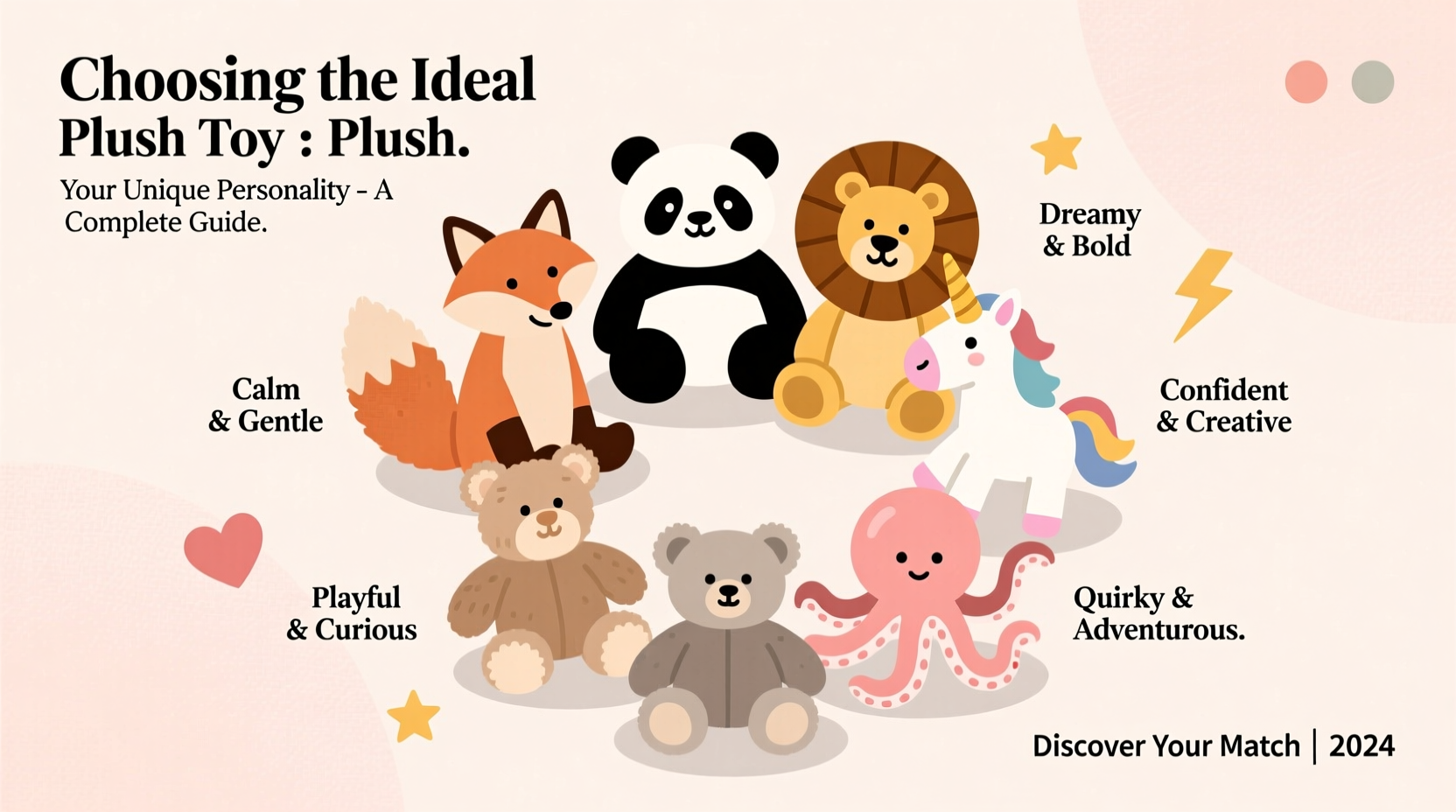
Just as fashion and home decor reflect identity, so can plush toys. Consider these four common personality archetypes and their ideal plush counterparts:
- The Empath – Warm-hearted and sensitive, empaths thrive on connection. They often choose plush toys with expressive eyes, huggable proportions, and nurturing energy—think teddy bears with stitched hearts or animals cradling smaller ones.
- The Adventurer – Energetic and curious, adventurers favor dynamic designs: jungle animals, mythical beasts, or space-themed creatures. Bright colors and textured fabrics appeal to their love of exploration.
- The Minimalist – Preferring simplicity and intentionality, minimalists lean toward neutral palettes, organic cotton materials, and clean-lined designs. A beige alpaca or linen rabbit aligns with their aesthetic values.
- The Nostalgist – Drawn to memory and sentiment, this type seeks vintage-style plushes: retro-styled bears, hand-stitched dolls, or replicas of classic characters from their youth.
A Step-by-Step Guide to Finding Your Perfect Match
Selecting a plush based on personality isn’t guesswork. Follow this five-step process to make a meaningful choice:
- Assess Your Current Mood & Lifestyle
Are you feeling overwhelmed? Choose a calming plush like a lavender-scented bunny or weighted companion. In a playful phase? Opt for a whimsical character with quirky features. - Identify Preferred Animal or Character Type
Do you admire loyalty (dogs), wisdom (owls), independence (cats), or strength (bears)? Your favorite animals often mirror admired qualities in yourself. - Evaluate Texture Preferences
Smooth satin ears, shaggy fur, or ultra-soft velour bodies send different sensory signals. If you’re tactile-sensitive, avoid rough seams or synthetic blends. - Consider Size & Function
A travel-sized keychain plush suits an on-the-go professional. A full-body pillow bear works better for someone seeking nighttime comfort. - Reflect on Long-Term Meaning
Will this plush commemorate a milestone? Represent a personal goal? Or simply bring daily joy? Purpose deepens attachment.
Material Matters: Align Fabric with Values
Your ethical and environmental priorities should influence your choice. Not all plush toys are created equal in sustainability or safety. Below is a comparison of common materials and their alignment with user values:
| Material | Best For | Eco-Friendly? | Durability |
|---|---|---|---|
| Polyester Fleece | Bright colors, soft texture, affordability | No (plastic-based) | High (resists pilling) |
| Organic Cotton | Hypoallergenic users, eco-conscious buyers | Yes (biodegradable, low-impact dye) | Moderate (requires gentle care) |
| Recycled PET | Sustainability-focused consumers | Yes (made from plastic bottles) | High |
| Wool Blend | Natural fiber lovers, temperature regulation | Partially (renewable but resource-intensive) | Very High |
If you prioritize wellness and sustainability, seek certifications like GOTS (Global Organic Textile Standard) or OEKO-TEX, which ensure non-toxic dyes and ethical production.
Real-Life Example: How Sarah Found Her Emotional Anchor
Sarah, a 34-year-old project manager, experienced heightened anxiety after relocating for a new job. Despite her confident exterior, she felt isolated. On a whim, she purchased a medium-sized gray koala plush with embroidered eyes and a weighted body. “I didn’t expect to bond with it,” she admits. “But within days, I was placing it beside me during video calls and holding it when unwinding at night.”
She later realized the koala symbolized stillness and resilience—qualities she wanted to embody. Its muted color matched her bedroom’s calming palette, and its compact size made it portable. Over time, it became less of a toy and more of a mindfulness tool. Sarah’s experience illustrates how a well-chosen plush can support emotional growth when aligned with inner needs.
Checklist: Choosing Your Ideal Plush Toy
Before purchasing, run through this practical checklist to ensure your choice fits both personality and purpose:
- ✅ Does the animal or character represent a trait I admire or need?
- ✅ Is the texture pleasing to touch and suitable for my sensitivity level?
- ✅ Does the color palette complement my living space or mood preferences?
- ✅ Is the material safe, sustainable, and easy to clean?
- ✅ Will this plush serve a functional role (comfort, decoration, gifting)?
- ✅ Does it feel “right” when I hold it? Trust your gut reaction.
Frequently Asked Questions
Can adults benefit from having plush toys?
Absolutely. Emotional well-being isn’t age-restricted. Many adults use plush toys for stress relief, sleep support, or as symbols of self-care. In Japan, the \"kawaii\" culture embraces plush companionship across all ages, normalizing emotional expression through soft objects.
How do I clean a plush without damaging it?
Always check the care label. Most can be spot-cleaned with mild soap and water. For machine washing, use a mesh laundry bag, cold water, and gentle cycle. Air dry completely to prevent mold. Avoid bleach and fabric softeners, which degrade fibers.
Are there plush toys designed for anxiety or ADHD?
Yes. Weighted plush toys (typically 5–10% of body weight) apply gentle pressure that can soothe nervous systems. Some include fidget elements like crinkle fabric, textured patches, or built-in squeezable pods to support focus and sensory regulation.
Final Thoughts: Let Your Plush Tell Your Story
Your ideal plush toy isn’t found through logic alone—it emerges at the intersection of emotion, aesthetics, and authenticity. It might be a lion for courage, a sloth for patience, or a fantastical creature that defies categorization, just like you. The best plush doesn’t just sit on a shelf; it becomes part of your narrative—a quiet witness to late-night thoughts, a smile-triggering presence on hard days, or a symbol of the person you’re becoming.




 浙公网安备
33010002000092号
浙公网安备
33010002000092号 浙B2-20120091-4
Comments
No comments yet. Why don't you start the discussion?