
Selecting the right food and water bowls for your dog might seem like a minor detail in pet care, but it plays a surprisingly significant role in their daily comfort, eating habits, and overall health. A poorly sized bowl can lead to messy mealtimes, inefficient hydration, or even digestive discomfort. On the other hand, the correct bowl promotes better posture, reduces strain on the neck, and supports proper portion control. With so many sizes, materials, and designs available, making an informed choice is essential. This guide breaks down everything you need to consider when selecting the ideal bowl size for your dog—based on breed, age, eating behavior, and specific health needs.
Why Bowl Size Matters More Than You Think
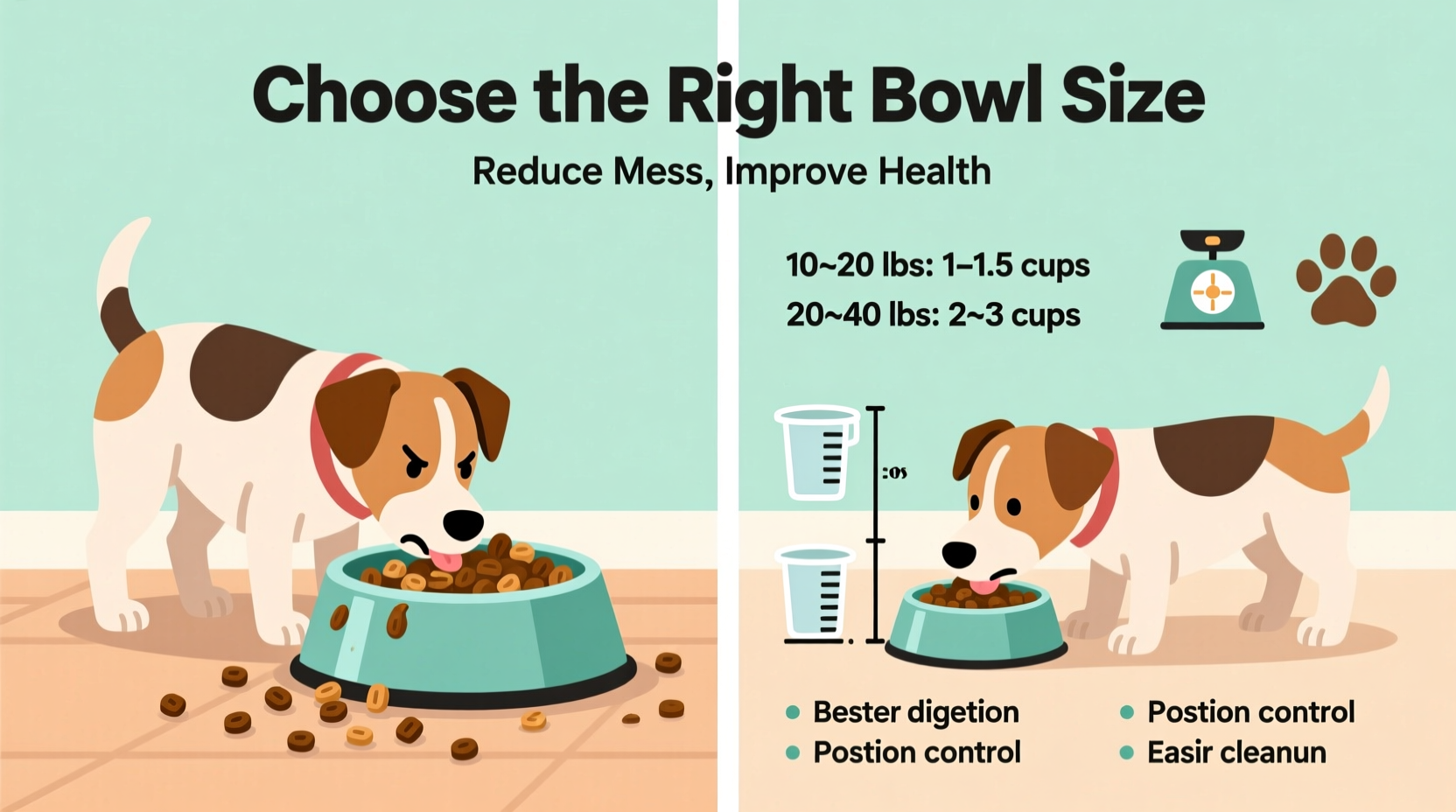
The size of your dog’s feeding bowl directly influences how they eat, drink, and interact with their food. Too small, and your dog may knock it over or feel restricted. Too large, and it can encourage overeating or make drinking awkward. The wrong size can also contribute to rapid eating, which increases the risk of bloat—a life-threatening condition in deep-chested breeds. Additionally, oversized water bowls may be difficult for smaller dogs to access comfortably, while undersized ones require constant refilling.
Proper bowl sizing contributes to better ergonomics during meals. Dogs should be able to eat without excessive stretching or hunching. According to veterinary nutritionists, maintaining a neutral spine position while eating helps prevent long-term joint stress and improves digestion.
Matching Bowl Size to Your Dog’s Breed and Weight
Dogs vary widely in size and build, so a one-size-fits-all approach doesn’t work. The ideal bowl dimensions depend primarily on your dog’s weight, muzzle length, and shoulder height. Here’s a general guideline based on common size categories:
| Dog Weight (lbs) | Recommended Bowl Diameter (inches) | Typical Capacity (cups) | Suggested Height (inches) |
|---|---|---|---|
| Under 10 | 4–5 | 1–2 | 3–5 |
| 10–30 | 6–7 | 2–4 | 5–8 |
| 30–70 | 8–9 | 4–6 | 8–12 |
| 70+ | 10–12 | 6–10 | 12–18 |
Note that brachycephalic breeds (like Bulldogs or Pugs) often benefit from wider, shallower bowls to accommodate their short muzzles. Conversely, long-nosed breeds such as Collies or Greyhounds may prefer deeper bowls that allow them to reach food without scattering it.
“Bowl height and depth significantly affect cervical alignment during feeding. For large and giant breeds, elevated feeders set at elbow level can reduce esophageal strain.” — Dr. Lena Patel, Veterinary Orthopedic Specialist
How Eating Behavior Influences Bowl Choice
Your dog’s personality and eating habits are just as important as their physical size. Some dogs are enthusiastic eaters who dive into their food with full-body momentum; others nibble slowly throughout the day. Understanding these behaviors helps determine not only size but also bowl type.
- Fast eaters: These dogs benefit from slow-feed bowls with internal obstacles. Choose a slightly larger diameter (1–2 inches more than standard) to accommodate the maze-like design without overcrowding.
- Food scatterers: Dogs who paw at or flip their bowls need heavier, non-tip bases. Opt for a wide, low-center-of-gravity bowl with high sides to contain kibble.
- Picky eaters: Smaller, shallow bowls may increase interest by making food more accessible and visually appealing.
- Dogs with sensitive stomachs: Controlled portioning via correctly sized bowls prevents overeating, which can trigger vomiting or bloating.
Mini Case Study: Reducing Mealtime Mess in a Labrador Retriever
Max, a three-year-old Labrador, had a habit of flipping his stainless steel bowl after just a few bites. His owner replaced it with a rubber-bottomed, 10-inch-wide ceramic bowl that weighed nearly 4 pounds. The new bowl stayed in place, and Max began eating more calmly. Within two weeks, mealtime spills dropped by 90%, and Max gained better control over his portions. The increased stability and appropriate width gave him confidence during meals, reducing anxiety-driven food tossing.
Step-by-Step Guide to Choosing the Right Bowl
Follow this five-step process to ensure you select the optimal bowl size and style for your dog:
- Measure your dog’s shoulder height. From the ground to the top of the shoulders (with your dog standing naturally), note the measurement in inches.
- Calculate ideal bowl height. For most dogs, the top of the bowl should sit at about elbow level. As a rule of thumb, subtract 6 inches from shoulder height for floor-level bowls. For elevated feeders, match the bowl rim to the bottom of the chest.
- Determine daily food volume. Check your dog food packaging or consult your vet for recommended daily intake. Choose a bowl that holds at least that amount—with room to spare so food doesn’t spill when stirred.
- Assess eating style. Watch your dog eat for several meals. Do they root deeply? Toss food out? Eat rapidly? Use these observations to select features like depth, texture, or built-in baffles.
- Test and adjust. Try a bowl for 3–5 days. If your dog struggles to reach food, knocks it over, or leaves kibble around the edges, reassess size or elevation.
Material and Design Considerations Beyond Size
While size is critical, the bowl’s material affects hygiene, durability, and safety. Common options include:
- Stainless steel: Durable, easy to clean, and resistant to bacteria. Ideal for dogs with allergies or sensitive skin.
- Ceramic: Heavy and stable, but can chip or break if dropped. Ensure it’s lead-free and glazed safely.
- Plastic: Lightweight and affordable, but prone to scratching and bacterial buildup. Not recommended for aggressive chewers or dogs with chin acne.
- Silicone: Flexible and collapsible—great for travel—but may not stand upright under enthusiastic eating.
For dogs with special needs—such as seniors with arthritis or puppies still developing coordination—non-slip bases and lightweight materials can make a big difference. Raised or tilted bowls help dogs with mobility issues maintain comfortable feeding positions.
Feeding Checklist: Is Your Bowl Right for Your Dog?
Use this checklist to evaluate your current feeding setup:
- ✅ Bowl diameter allows full access to food without neck twisting
- ✅ Food doesn’t spill over the edges when your dog eats
- ✅ Water bowl stays full enough between refills (especially for active dogs)
- ✅ Bowl doesn’t slide or tip easily on your floor surface
- ✅ Height supports natural spine alignment (not too low or too high)
- ✅ Material is safe, cleanable, and appropriate for your dog’s chewing habits
- ✅ Easy to wash daily and sanitize weekly
Frequently Asked Questions
Can the wrong bowl size cause bloat?
While bowl size alone doesn’t cause bloat (gastric dilatation-volvulus), improper feeding practices associated with poor bowl design—such as encouraging rapid eating or requiring excessive bending—can contribute to air ingestion, a risk factor for bloat. Elevated bowls were once widely recommended, but recent studies suggest they may increase risk in some large breeds. Always consult your vet before using raised feeders.
How often should I replace my dog’s bowl?
Inspect your bowl monthly. Replace plastic bowls every 3–6 months due to micro-scratches that harbor bacteria. Stainless steel and ceramic can last years if unchipped and properly maintained. Replace immediately if cracked, stained, or warped.
Should puppies use the same bowl size as adult dogs?
No. Puppies need smaller bowls suited to their jaw size and portion needs. Start with a 4–6 inch diameter bowl and upgrade as they grow. Using an adult-sized bowl too early can discourage eating due to difficulty accessing food at the center.
Final Thoughts: Small Change, Big Impact
Choosing the perfect bowl size for your dog is a simple adjustment with far-reaching benefits. It reduces mess, supports healthy digestion, encourages proper posture, and can even calm anxious or overly excited eaters. By considering your dog’s size, breed, behavior, and life stage, you create a feeding experience that’s not only functional but respectful of their natural instincts and physical needs. Don’t underestimate the power of thoughtful details—your dog will notice the difference at every meal.




 浙公网安备
33010002000092号
浙公网安备
33010002000092号 浙B2-20120091-4
Comments
No comments yet. Why don't you start the discussion?