
Every day, thousands of professionals walk city streets, board trains, and navigate crowded sidewalks with a handbag in tow. Whether you're carrying a laptop, notebook, lunch, or essentials, your bag is more than an accessory—it's a daily workhorse. Yet too many people choose based on aesthetics alone, only to find seams splitting, zippers failing, or straps fraying within months. The key to long-term satisfaction lies in selecting a commuting handbag that balances durability, functionality, and timeless design.
A well-chosen bag doesn’t just survive the commute; it enhances it. It keeps your belongings secure, organizes your routine, and reflects your personal style without sacrificing practicality. This guide cuts through marketing hype to deliver actionable insights from fashion designers, material scientists, and frequent commuters who’ve tested bags under real-world conditions.
Material Matters: What Lasts Beyond a Season?
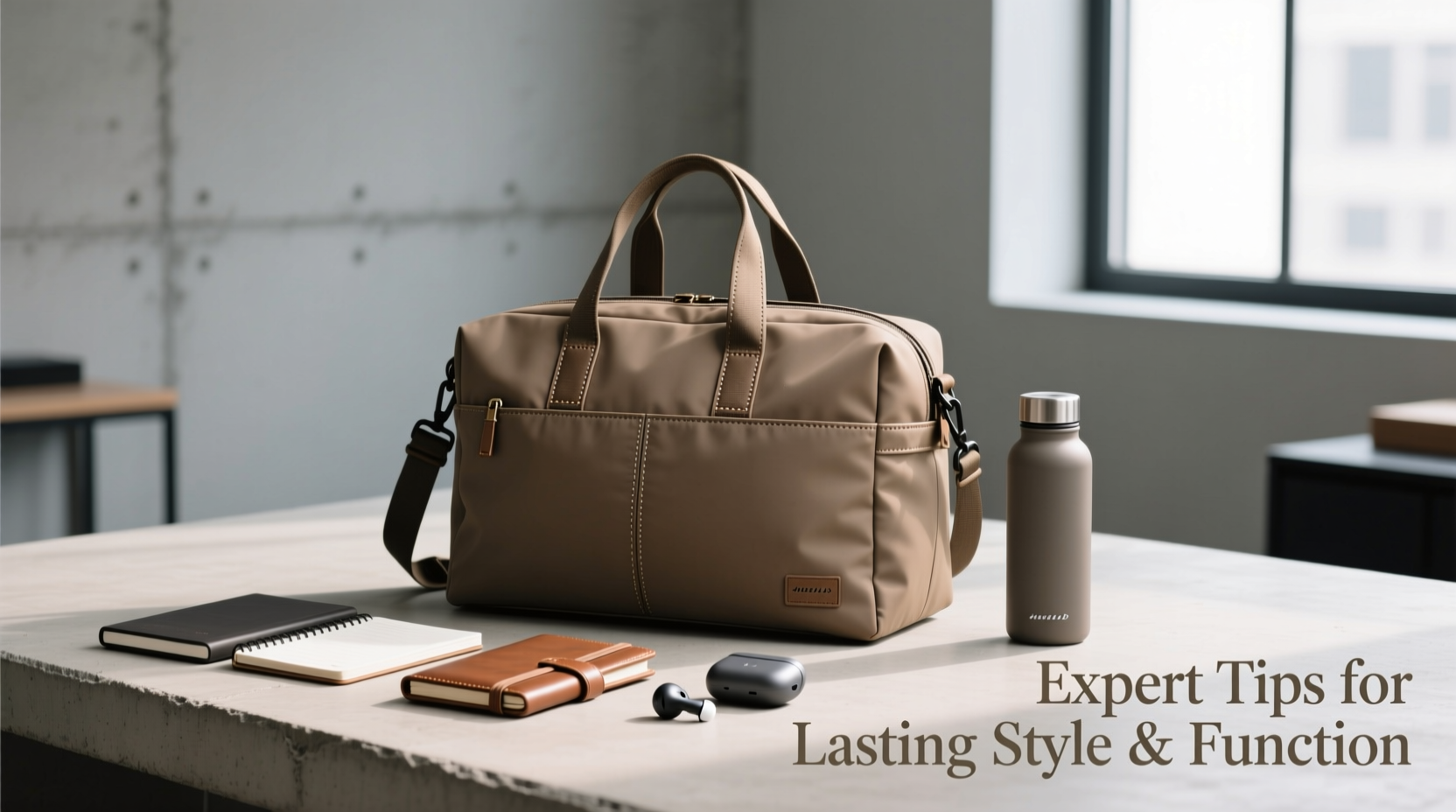
The foundation of any durable handbag is its construction material. While trends come and go, certain fabrics and leathers consistently outperform others in longevity and resilience.
- Full-grain leather: The gold standard for durability. Naturally water-resistant, breathable, and develops a rich patina over time. Though heavier and pricier upfront, it ages gracefully and resists cracking.
- Cordura nylon: Originally developed for military gear, this high-tenacity fabric resists abrasion, tearing, and moisture. Ideal for urban commutes involving rain or rough handling.
- Waxed canvas: A rugged alternative to leather. Water-repellent and develops character with use. Brands like Filson and Fjällräven have proven its staying power over decades.
- Polyester blends with TPU coating: Found in technical commuter bags, these materials offer lightweight protection against spills and scuffs but may lack breathability.
“Durability isn’t just about thickness—it’s about fiber integrity and how the material responds to stress over time.” — Lena Torres, Product Designer at Urban Carry Co.
Structural Integrity: Design Elements That Prevent Premature Wear
A beautiful exterior means little if internal structure fails. Look beyond stitching to assess how a bag is engineered to endure daily strain.
Reinforced Stress Points
Straps, handles, and corners endure the most pressure. High-quality bags feature double-stitched seams, riveted strap attachments, and internal webbing reinforcements. Check where the shoulder strap meets the body—this junction should be fortified with bar tacks or metal hardware.
Zippers and Closures
YKK zippers are industry-standard for reliability. Opt for reverse coil or water-resistant zippers in wet climates. Magnetic snaps or locking clasps offer quick access while securing contents during transit.
Base Construction
A rigid or padded base prevents sagging and protects against sidewalk grime. Bags with flat, reinforced bottoms stand upright and resist abrasion when set down frequently.
| Feature | Do | Avoid |
|---|---|---|
| Stitching | Double or triple stitching with polyester thread | Single stitching with cotton thread |
| Hardware | Brass or stainless steel (corrosion-resistant) | Plastic-coated zinc alloy (prone to chipping) |
| Lining | Dense, stain-resistant fabric (e.g., ballistic nylon) | Thin polyester or decorative prints that snag easily |
Functionality Meets Lifestyle: Matching Your Bag to Your Routine
No single bag fits all commutes. Assess your daily load, transport method, and environment before purchasing.
Weight Distribution & Comfort
If you carry more than 5 pounds regularly, prioritize ergonomic design. Wide, padded straps reduce shoulder strain. Crossbody styles distribute weight evenly, while top handles are better for short distances or briefcase-style carrying.
Organization Layout
Look for:
- Dedicated padded laptop sleeve (minimum 15\")
- Interior zip pocket for valuables
- Pen holders, phone slots, and RFID-blocking compartments
- Quick-access exterior pockets for transit cards or keys
Weather Resistance
Urban environments demand adaptability. If you walk or bike, consider:
- Water-repellent exteriors
- Hidden zipper garages
- Removable rain covers (common in premium commuter designs)
Mini Case Study: From Daily Breakdown to Long-Term Reliability
Sophie M., a project manager in Chicago, replaced her handbag every 8–10 months due to broken zippers and worn straps. After switching to a waxed canvas tote with leather trim and YKK zippers, she noticed immediate differences. Two years later, the bag still carries her 13\" laptop, charger, journal, and umbrella daily. Minor scuffs have blended into the fabric’s character, and the brass hardware retains its luster with occasional polishing. “I used to buy based on color,” she says. “Now I look at stitch density and strap attachment points first.”
Step-by-Step Guide: How to Evaluate a Commuting Handbag Before Purchase
- Assess your daily load: List items you carry regularly to determine size needs (A4 documents? Gym clothes? Water bottle?)
- Check material specifications: Research whether the brand discloses fabric type, weight (measured in oz/yd²), and sourcing.
- Inspect hardware: Open and close zippers 5+ times. Wiggle handles and straps to test stability.
- Test accessibility: Can you reach your phone or wallet without removing the bag?
- Evaluate cleaning instructions: Is maintenance feasible? Machine-washable linings add convenience.
- Review warranty: Reputable brands offer 1–5 year warranties covering craftsmanship defects.
“A two-year-old bag should look lived-in, not broken-in. Signs of premature wear indicate poor engineering.” — Marcus Lin, Lead Tester at GearLongevity Labs
Essential Care Tips to Extend Lifespan
Even the best bag degrades without proper care. Simple habits dramatically extend usability.
- Empty and air out your bag weekly to prevent odor buildup and mildew.
- Condition full-grain leather every 3–6 months with pH-balanced cream.
- Wipe down synthetic exteriors with a damp cloth; avoid soaking.
- Store upright with soft stuffing (tissue paper or cloth) to maintain shape.
- Rotate between two bags if possible—this reduces continuous strain.
FAQ
How much should I spend on a durable commuting handbag?
Invest between $150–$400 for a high-quality piece that lasts 5+ years. At $300 over five years, that’s just $60 annually—less than replacing cheaper bags every 12 months.
Are vegan leather bags durable enough for commuting?
Most polyurethane (PU) alternatives last 1–3 years with moderate use. However, newer plant-based leathers (like Piñatex or MuSkin) show improved resilience but remain niche and costly. For heavy-duty use, traditional materials still lead.
Can I repair a damaged handbag instead of replacing it?
Yes—many cobblers specialize in bag restoration. Common fixes include replacing zippers, reattaching straps, and re-dyeing faded areas. Investing $50–$100 in repairs often extends life by several years.
Final Checklist Before Buying
- ✅ Material is abrasion-resistant (leather, Cordura, waxed canvas)
- ✅ Zippers are branded (YKK, Riri) and glide smoothly
- ✅ Stress points are reinforced with stitching or rivets
- ✅ Interior layout matches your organizational habits
- ✅ Weight feels balanced when loaded
- ✅ Brand offers repair services or warranty
- ✅ Color and style transcend seasonal trends
Conclusion
Choosing the perfect durable commuting handbag isn't about chasing trends—it's about making a strategic investment in a tool that supports your daily life. By prioritizing material quality, structural soundness, and functional design, you gain more than longevity; you gain confidence. Every time you sling that bag over your shoulder, it should feel like a reliable partner, not a liability.
Don’t settle for flimsy fast fashion. Examine construction, test features, and ask hard questions. A great handbag earns its place not just in your closet, but in your routine. Start evaluating your next purchase with these principles, and you’ll own fewer bags—but ones that truly matter.




 浙公网安备
33010002000092号
浙公网安备
33010002000092号 浙B2-20120091-4
Comments
No comments yet. Why don't you start the discussion?