
Selecting an iPhone case goes beyond aesthetics. While a sleek design or trendy pattern might catch your eye, the material determines how well your device is protected, how it feels in hand, and how long the case lasts. With options ranging from rugged polycarbonate to premium leather, making the right choice requires understanding what each material offers in terms of protection, grip, longevity, and personal expression. This guide cuts through the marketing hype to deliver a clear, practical breakdown of the most common iPhone case materials—so you can make a decision that balances durability with style.
Durability vs. Design: The Core Trade-Off
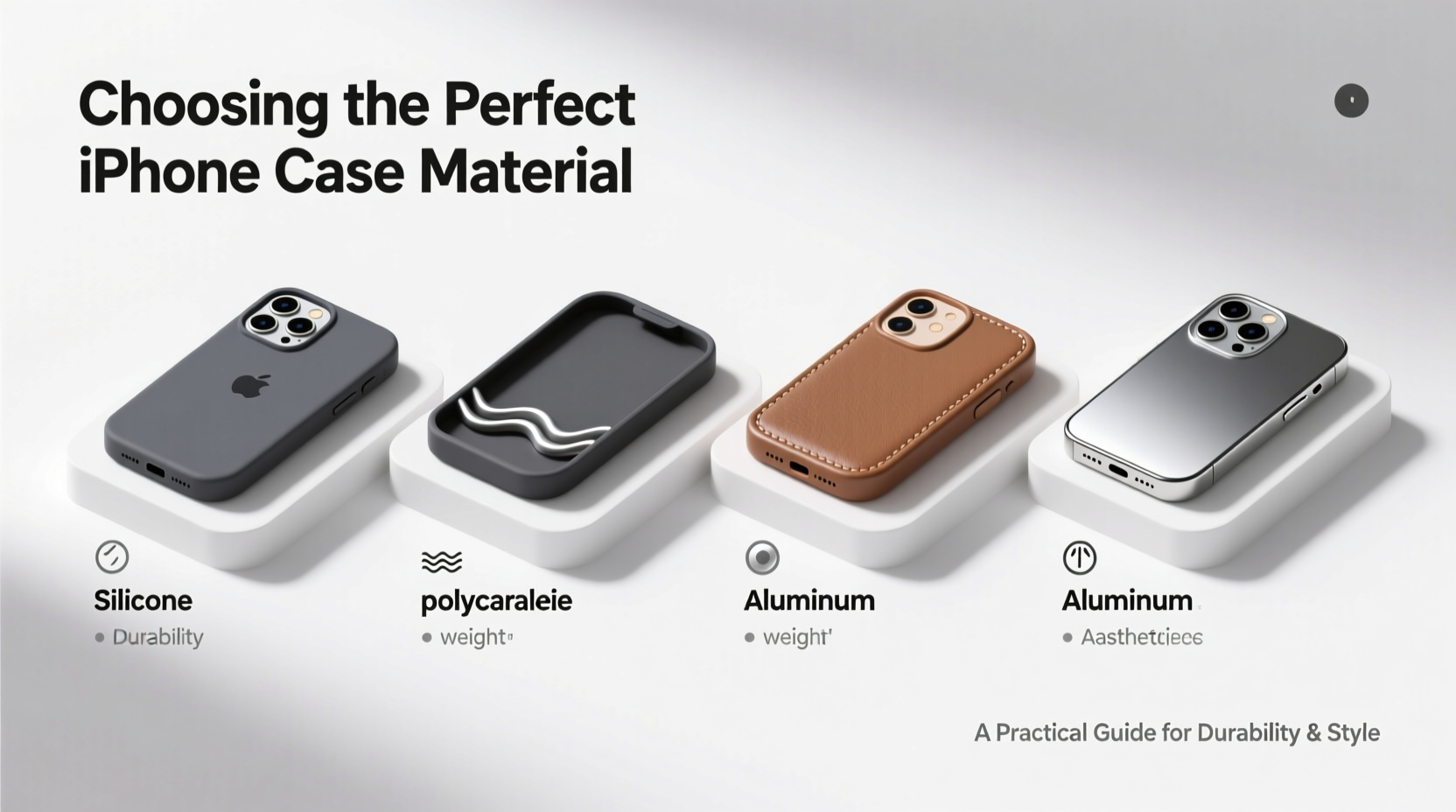
Every iPhone case material sits somewhere on a spectrum between rugged protection and refined elegance. At one end are ultra-durable thermoplastic polyurethane (TPU) and polycarbonate blends built to survive drops from shoulder height. At the other are minimalist leather and fabric cases that prioritize slim profiles and tactile appeal but offer less shock absorption.
The key is aligning your lifestyle with the right balance. A construction worker needs drop resistance; a designer might value a slim profile that doesn’t disrupt pocket carry. Most users fall somewhere in between—seeking reliable protection without sacrificing comfort or aesthetics.
Common iPhone Case Materials Compared
Below is a detailed comparison of the five most widely used iPhone case materials, evaluated across four critical factors: impact resistance, scratch resistance, grip, and aesthetic longevity.
| Material | Impact Resistance | Scratch Resistance | Grip | Aesthetic Longevity |
|---|---|---|---|---|
| Silicone | Moderate | Low | High | Moderate (can yellow over time) |
| TPU (Thermoplastic Polyurethane) | High | Moderate | High | Low-Moderate (prone to discoloration) |
| Polycarbonate (Hard Plastic) | Moderate | High | Low | High (resists fading and wear) |
| Leather (Genuine & Synthetic) | Low-Moderate | High (with conditioning) | Moderate | Very High (ages beautifully) |
| Hybrid (TPU + Polycarbonate) | Very High | High | Moderate | High |
As shown, no single material excels in all categories. However, hybrid cases often strike the best overall balance—combining the shock-absorbing qualities of TPU with the rigidity and scratch resistance of polycarbonate.
Deep Dive: Evaluating Each Material
Silicone: Soft Touch, Limited Longevity
Silicone cases feel smooth and are highly flexible, offering decent grip and moderate drop protection. Apple’s official silicone cases are popular for their color variety and soft exterior. However, they attract dust and lint, scratch easily, and may yellow after prolonged exposure to UV light or skin oils.
TPU: The Everyday Protector
Clear or colored TPU cases dominate the budget-to-midrange market. They absorb shocks well due to their elasticity and often feature air-cushioned corners. Their downside? Over time, especially in clear versions, they can turn yellow or collect micro-scratches that dull transparency. Regular cleaning with isopropyl alcohol wipes can slow this process.
Polycarbonate: Sleek and Scratch-Resistant
Rigid plastic backs, often seen in brand-name cases like OtterBox Symmetry or Spigen Thin Fit, resist scratches and maintain clarity. While not as shock-absorbent as TPU, when combined with rubberized edges, they provide solid protection. These cases are ideal for users who dislike bulk and want a crisp, clean look that lasts.
Leather: Timeless Appeal with Trade-Offs
Genuine leather cases develop a rich patina over time, becoming more attractive with use. They’re durable against abrasions and resist fingerprints. However, they offer minimal drop protection unless reinforced. Full-grain leather ages best, while bonded leather may peel. Avoid exposing leather cases to moisture, and condition them every few months to prevent drying.
“Leather isn’t just about luxury—it’s functional. As it molds to your phone and hand, it improves grip and becomes uniquely yours.” — Daniel Reyes, Product Designer at Vaja Cases
Hybrid Cases: Best of Both Worlds
These combine a TPU inner layer for shock absorption with a hard polycarbonate outer shell for structure and scratch resistance. Many include reinforced corners and raised edges to protect screens and cameras. Ideal for active users or those prone to dropping their phones.
Real-World Example: Sarah’s Commute Test
Sarah, a graphic designer in Chicago, commutes via bike and train daily. Her previous silicone case cracked after three months from repeated drops onto concrete. She switched to a hybrid TPU-polycarbonate case with MIL-STD certification. After nine months of daily use—including two significant falls off her handlebars—the case showed only minor scuffing, and her iPhone remained unharmed. The added weight was negligible, and she appreciated the secure grip even with gloves on.
This scenario illustrates how matching material to usage patterns prevents costly damage and enhances usability.
Step-by-Step: How to Choose Your Ideal Case Material
- Assess your risk level: Do you frequently place your phone on rough surfaces, drop it, or use it outdoors? High-risk users should prioritize TPU or hybrid materials.
- Evaluate your environment: Exposure to water, sand, or extreme temperatures affects material performance. Avoid leather near beaches; consider waterproof bumpers if needed.
- Consider pocket carry: Slim leather or polycarbonate cases slide easily into pockets. Thick TPU hybrids may feel bulky but offer better protection.
- Decide on aesthetics: Do you prefer a clean, minimalist look or bold colors? Clear TPU shows off your iPhone’s design but requires maintenance to stay clear.
- Set a maintenance threshold: Are you willing to clean or condition your case regularly? Leather needs care; silicone collects grime; TPU yellows if neglected.
- Test grip and button feedback: Even the best material fails if buttons are stiff or the case is slippery. Read reviews focusing on tactile experience.
Checklist: Before You Buy Any iPhone Case
- ✅ Confirmed compatibility with your exact iPhone model (including camera cutout alignment)
- ✅ Raised edges to protect screen and camera lens when placed face-down
- ✅ Responsive, tactile buttons (not mushy or overly stiff)
- ✅ No interference with wireless charging or MagSafe accessories
- ✅ Verified drop-protection rating (e.g., MIL-STD, manufacturer claims backed by third-party tests)
- ✅ Easy to clean and maintain based on material type
- ✅ Matches your daily routine—work, travel, parenting, outdoor activity
Frequently Asked Questions
Do clear cases really yellow over time?
Yes, most clear TPU cases will gradually yellow due to exposure to UV light, heat, and oils from your hands. High-quality formulations with anti-yellowing additives last longer—typically 6 to 12 months before noticeable discoloration.
Is leather worth it for iPhone protection?
Leather adds elegance and scratch resistance but limited shock absorption. It’s best suited for low-impact lifestyles. For added safety, choose leather cases with TPU bumpers or internal liners.
Are expensive cases worth the price?
Not always. Premium brands often charge for design, materials, and warranty—not necessarily better protection. Mid-range hybrid cases from reputable brands like Spigen, UAG, or ESR offer excellent value with proven durability.
Final Thoughts: Match Material to Lifestyle
Your iPhone case shouldn’t be an afterthought. It’s the first line of defense and a reflection of how you interact with your device. Whether you need a tank-like shield for rugged adventures or a refined leather sleeve for boardroom meetings, the right material makes all the difference. Prioritize function without sacrificing form. Consider how you use your phone daily, then select a material that supports that reality—not a marketing slogan.




 浙公网安备
33010002000092号
浙公网安备
33010002000092号 浙B2-20120091-4
Comments
No comments yet. Why don't you start the discussion?