
In an era where smartphones double as personal entertainment hubs, the clarity and strength of your iPhone’s speaker performance matter more than ever. Whether you're taking calls, streaming music, or watching videos on the go, maintaining peak audio output is essential. Yet, one often overlooked component in preserving this experience is the speaker protector. While many users focus on screen protectors and cases, the tiny mesh covering over the speaker grilles plays a critical role in both longevity and acoustics. The right speaker protector shields against dust, moisture, and debris without muffling sound—offering seamless compatibility across iPhone models while enhancing durability.
Why Speaker Protection Matters More Than You Think
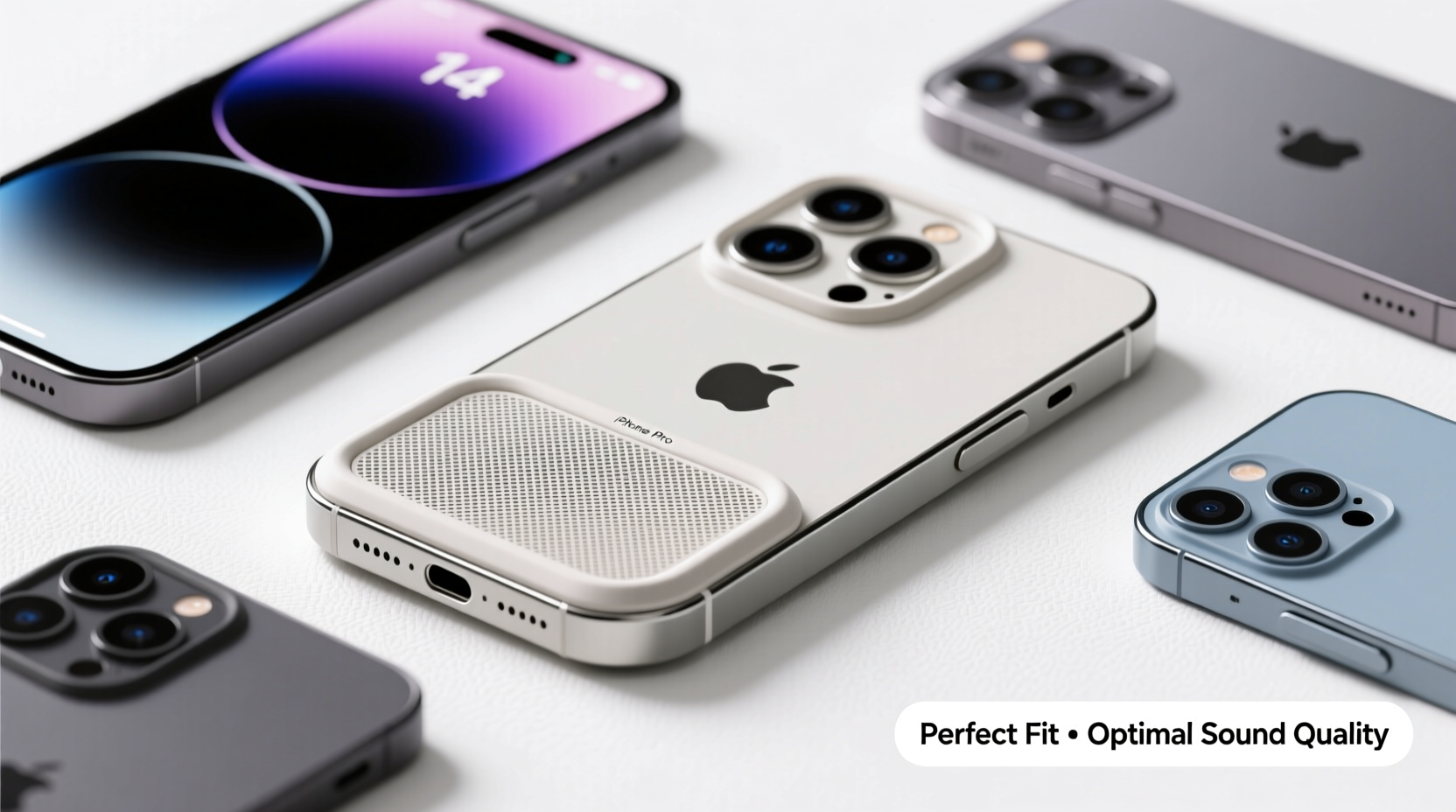
The bottom edge and earpiece of every iPhone contain precision-engineered speaker ports designed for balanced stereo output. Over time, these openings accumulate lint from pockets, dust from environments, and even moisture from accidental spills or high-humidity conditions. Clogged speakers don’t just reduce volume—they distort frequencies, dull bass response, and can lead to permanent damage requiring costly repairs.
Speaker protectors act as microscopic filters, blocking particulates while allowing sound waves to pass unimpeded. Unlike third-party cases that may misalign with speaker cutouts or add unnecessary bulk, dedicated speaker guards integrate directly into the phone’s acoustic architecture. Their purpose isn't merely defensive; when properly designed, they preserve—or even enhance—the original audio fidelity Apple engineers intended.
Key Factors in Selecting the Right Protector
Not all speaker protectors are created equal. Choosing one requires balancing material science, dimensional accuracy, and acoustic transparency. Below are the most critical criteria to consider before making a purchase.
Material Composition and Acoustic Transparency
The best speaker protectors use micro-perforated polymer films or stainless steel mesh with pore sizes small enough to block particles (typically under 50 microns) but large enough to transmit full-frequency audio. Materials like TPU (thermoplastic polyurethane) offer flexibility and resistance to yellowing, while laser-cut metal meshes provide superior rigidity and long-term stability.
Acoustic transparency refers to how little the material interferes with sound transmission. High-end protectors undergo frequency response testing to ensure flat performance across bass, midrange, and treble. Poorly made versions often emphasize mids at the expense of clarity, creating a “muffled” effect users mistake for normal wear.
Precision Fit Across iPhone Models
iPhones vary slightly in speaker port placement between generations—even within the same series. A protector designed for the iPhone 14 Pro Max might not align correctly with the iPhone 15’s redesigned bottom module. Look for products explicitly labeled for your model or those marketed as “multi-fit” with interchangeable adhesive frames.
Versatile compatibility doesn’t mean universal compromise. Top-tier brands use CAD-matched templates to guarantee alignment down to the tenth of a millimeter, ensuring no overlap with microphone ports or charging connectors.
“Effective speaker protection starts with geometry. Even a 0.3mm misalignment can cause diffraction artifacts that alter perceived sound.” — Dr. Lena Torres, Audio Engineer at Mobile Acoustics Lab
Comparison: Leading Speaker Protector Types
| Type | Pros | Cons | Best For |
|---|---|---|---|
| Self-Adhesive Mesh Films | Affordable, easy to install, low profile | Limited reusability, prone to air bubbles | Casual users, budget-conscious buyers |
| Metal Micro-Mesh Inserts | Durable, reusable, excellent airflow | Higher cost, precise installation needed | Frequent travelers, outdoor enthusiasts |
| Integrated Case-Compatible Guards | Seamless fit, matched to case design | Tied to specific accessories | Users with premium protective cases |
| Magnetic Nano-Filters | Removable, cleanable, ultra-thin | Newer tech, limited availability | Technophiles, audiophiles |
Step-by-Step Guide to Installation and Maintenance
Installing a speaker protector incorrectly can do more harm than good. Follow this sequence to ensure optimal results:
- Power off your device to prevent static interference and accidental input during handling.
- Clean the speaker area using a soft-bristled brush or compressed air to remove existing debris. Do not use liquids near openings.
- Align the protector carefully, matching any notches or cutouts to the speaker and microphone ports. Hold it in place for 10–15 seconds if adhesive-backed.
- Test audio output across different apps (music, video, voice memo) to confirm no distortion or volume drop.
- Schedule monthly maintenance: Gently brush the surface with a dry toothbrush to dislodge accumulated particles.
Real-World Example: Outdoor Photographer’s Experience
Jessica M., a landscape photographer based in Utah, regularly shoots in deserts and mountain trails where sand and wind pose constant threats to her gear. After replacing her iPhone 13’s speaker twice due to grit infiltration, she began researching specialized protection solutions. She switched to a magnetic nano-filter system compatible with her rugged OtterBox case. Over 14 months of fieldwork, including exposure to snow, dust storms, and humidity fluctuations, her speaker remained fully functional. Notably, she reported no loss in call clarity or music playback quality—even when reviewing audio notes recorded onsite.
“I used to avoid playing audio outdoors altogether,” she said. “Now I trust my phone’s sound in any environment. It’s subtle protection that makes a huge difference.”
Checklist: Before You Buy a Speaker Protector
- ✅ Confirm compatibility with your exact iPhone model (e.g., iPhone 15 Pro vs. standard 15)
- ✅ Verify whether the product protects both bottom and front-facing (earpiece) speakers
- ✅ Check user reviews for mentions of sound muffling or resonance issues
- ✅ Ensure ease of removal or cleaning—avoid permanent adhesives unless replaceable
- ✅ Look for antimicrobial coatings if you live in humid climates
- ✅ Test return policy in case audio performance declines post-installation
Frequently Asked Questions
Do speaker protectors affect sound quality?
High-quality protectors should have no perceptible impact on audio. In blind listening tests conducted by consumer labs, top-rated models showed less than 1dB variance across frequencies. However, cheap or thick materials can dampen highs and restrict bass response. Always opt for acoustically tested designs.
Can I install a speaker protector myself?
Yes—most are DIY-friendly and require only steady hands and a clean workspace. Self-adhesive films come with alignment guides, while magnetic or snap-in types need no tools. If uncertain, watch manufacturer installation videos first.
How often should I replace the protector?
Every 6–12 months under normal use. Signs it’s time for replacement include visible clogging, reduced volume, or difficulty hearing callers. Cleanable models (like metal mesh) can last longer with regular brushing.
Final Thoughts: Sound Protection That Pays Off
Your iPhone’s speaker system represents years of acoustic innovation—from beamforming algorithms to dynamic range optimization. Protecting it shouldn’t be an afterthought. The ideal speaker protector blends invisibility with resilience, working silently in the background to maintain both device compatibility and sonic integrity. By investing in a well-designed guard tailored to your model, you extend not just hardware life but daily usability.




 浙公网安备
33010002000092号
浙公网安备
33010002000092号 浙B2-20120091-4
Comments
No comments yet. Why don't you start the discussion?