
Whether you're sipping coffee during your morning commute, hydrating at the gym, or enjoying iced tea on a weekend hike, the right tumbler enhances every experience. But beyond insulation and capacity, one often overlooked detail can make or break your comfort: the handle. Not all handles are created equal. From looped wire to ergonomic D-grips, each style serves different purposes—some prioritize portability, others stability or ease of cleaning. Selecting the right one isn’t just about aesthetics; it’s about aligning function with your habits.
Understanding Tumbler Handle Types
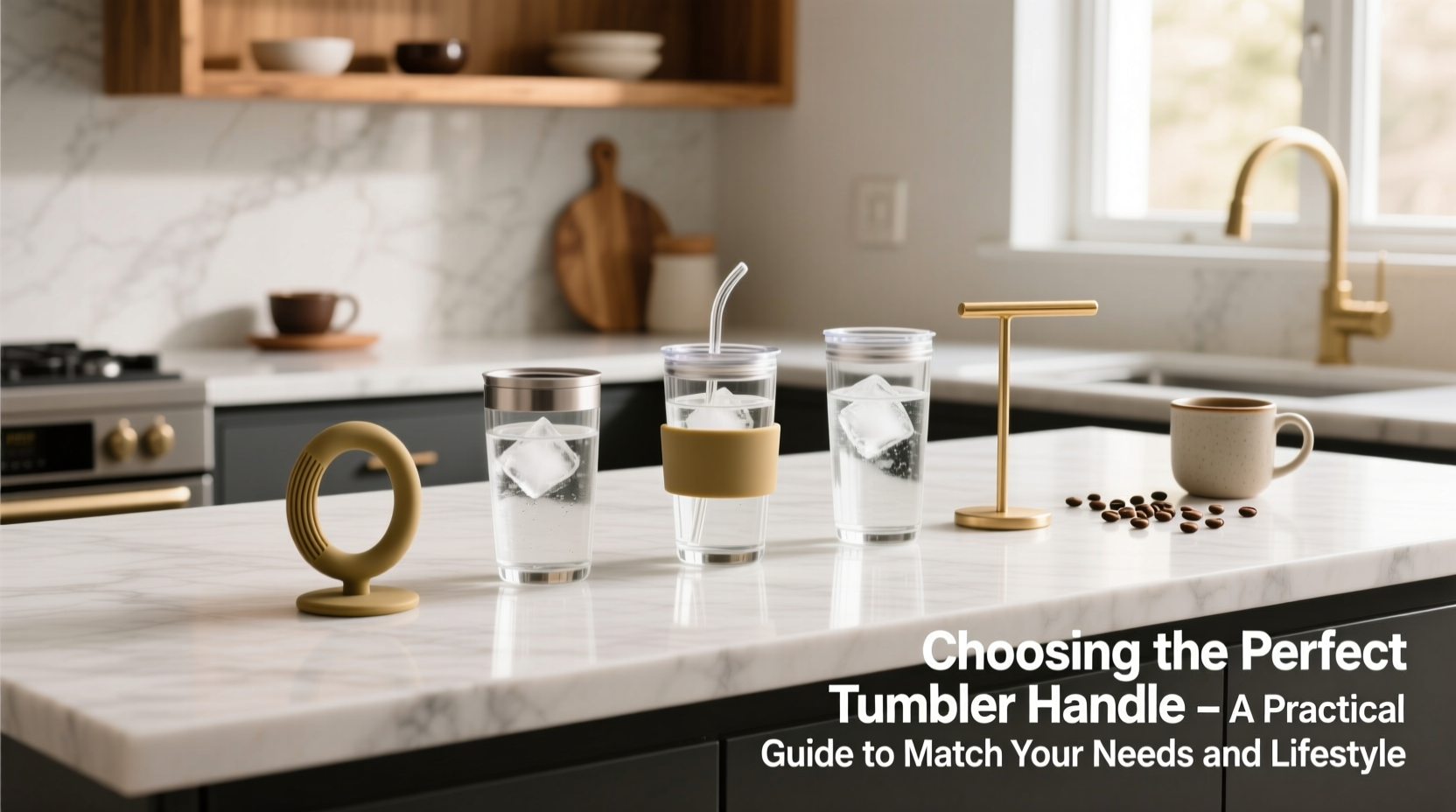
The evolution of the modern tumbler has introduced a variety of handle designs, each tailored to specific user needs. Knowing the differences helps you avoid buyer’s remorse and ensures long-term satisfaction.
- Loop Handle (Wire or Silicone): A circular grip commonly found on double-walled stainless steel tumblers. Lightweight and easy to carry, but may lack grip security when wet.
- D-Grip (Ergonomic Plastic or Rubber): Shaped like the letter “D,” this provides a secure, comfortable hold, especially for larger volumes. Often used in travel mugs and fitness bottles.
- Flip-Up Handle: Found on many insulated tumblers with lids, this foldable design offers convenience and compactness. Ideal for commuters but may wear out over time.
- No Handle (Grip-Friendly Body): Some tumblers skip the handle entirely, relying on textured surfaces or tapered shapes for grip. Sleek and dishwasher-safe, but less ideal for those with limited hand strength.
- Bail Handle (Arching Metal): Typically seen on classic pint-style tumblers, this arched metal handle offers durability and vintage appeal, though it can be awkward in cup holders.
Matching Handle Style to Your Lifestyle
Your daily routine should dictate your choice more than trends or brand popularity. A handle that works for a desk job might fail during a trail run.
For Commuters and Office Workers
If you’re walking between meetings or grabbing coffee on the way to work, a flip-up or small loop handle offers controlled portability. Look for models that lock the handle in place to prevent accidental unfolding.
For Fitness Enthusiasts
During workouts, stability matters most. A D-grip provides full-hand control, reducing spill risk during movement. Avoid loose wire handles that can snag on equipment.
For Outdoor Adventurers
Hikers and campers benefit from durable bail or reinforced loop handles that can be attached to carabiners. These styles also allow for easy hanging from backpacks or tent loops.
For Seniors or Those with Arthritis
Ergonomic D-grips with soft-touch materials reduce strain. Avoid thin wire handles that dig into fingers. Consider wider grips with textured surfaces for better control.
“Handle design is not a minor detail—it directly impacts usability, especially for users with mobility challenges.” — Dr. Lena Torres, Occupational Therapist specializing in adaptive tools
Comparison Table: Handle Styles at a Glance
| Handle Type | Best For | Pros | Cons |
|---|---|---|---|
| Loop (Wire/Silicone) | Casual use, light carrying | Lightweight, fits cup holders | Can slip when wet, less ergonomic |
| D-Grip | Active lifestyles, larger volumes | Secure grip, comfortable for long holds | May not fit cup holders, bulkier |
| Flip-Up | Commuting, storage efficiency | Compact, convenient | Mechanism can break, limited grip |
| Bail Handle | Outdoor use, attachment options | Durable, hangs easily | Awkward in vehicles, protrudes |
| No Handle | Minimalists, frequent dishwashing | Smooth cleaning, sleek profile | Harder to carry full, slippery when wet |
Real-Life Example: Choosing for Practicality
Sarah, a nurse working 12-hour shifts, initially chose a sleek tumbler with a thin wire loop handle. While stylish, she found it painful to carry during long rounds, especially when her hands were gloved or damp. After switching to a model with a wide, rubberized D-grip, she reported significantly less hand fatigue and better control when moving between stations. Her new tumbler also had a nonslip base, preventing spills during quick set-downs. This small change improved both comfort and safety in her demanding environment.
Step-by-Step Guide to Selecting Your Ideal Handle
Follow this process to ensure your next tumbler purchase meets real-world demands:
- Assess Your Daily Routine: Track how and where you use your drink vessel. Do you walk often? Sit at a desk? Exercise?
- Measure Cup Holder Fit: Use a ruler or existing bottle to check if your vehicle or bike mount accommodates bulky handles.
- Test Grip Comfort: If possible, hold sample tumblers filled with water. Note pressure points or instability.
- Consider Cleaning Needs: Handles with crevices or moving parts may trap residue. Opt for smooth, dishwasher-safe materials if hygiene is a priority.
- Evaluate Durability: Check material quality—reinforced joints, rust-resistant metals, and UV-stable plastics last longer under stress.
- Factor in Accessories: Need to clip it to a bag? Look for bail or loop styles compatible with carabiners.
Checklist: Before You Buy a Tumbler Handle
- ☐ Fits securely in your car or bike cup holder
- ☐ Comfortable to hold when full and cold (condensation increases slip risk)
- ☐ Made from durable, non-corrosive material
- ☐ Easy to clean—no hard-to-reach gaps
- ☐ Compatible with gloves or sweaty hands
- ☐ Supports your intended carrying method (hand, clip, strap)
Frequently Asked Questions
Can I replace a broken tumbler handle?
Most manufacturers do not offer replacement handles, especially for integrated designs. Some third-party repair kits exist for wire or bail styles, but success varies. Prevention—choosing sturdy construction upfront—is the best strategy.
Are silicone handles better than metal?
Silicone offers superior grip and comfort, particularly in wet conditions, and won’t conduct cold as much. Metal handles are more durable but can feel icy in winter and may corrode over time without proper coating.
Do handle styles affect insulation?
Indirectly. Handles that attach through the inner wall can create thermal bridges, slightly reducing insulation efficiency. However, most high-quality tumblers use bridge-isolated mounts to minimize this effect.
Final Thoughts: Design Meets Daily Life
The perfect tumbler isn’t just about keeping drinks hot or cold—it’s about seamless integration into your day. A well-chosen handle reduces strain, prevents accidents, and makes hydration effortless. Whether you prioritize portability, comfort, or ruggedness, taking a moment to evaluate handle functionality pays off in long-term satisfaction. Don’t let aesthetics override ergonomics; the best design balances both.




 浙公网安备
33010002000092号
浙公网安备
33010002000092号 浙B2-20120091-4
Comments
No comments yet. Why don't you start the discussion?