
At first glance, Chris Brown’s estimated net worth—reported between $50 million and $70 million as of 2024—might seem surprisingly modest for an artist with over two decades of global success. After all, he has sold more than 140 million records worldwide, won a Grammy, headlined international tours, and maintained consistent relevance in music, dance, and fashion. Yet compared to contemporaries like Usher, Justin Timberlake, or even The Weeknd, his financial standing raises questions. Why does Chris Brown’s net worth appear lower than expected? The answer lies not in lack of income, but in a complex web of legal battles, lifestyle costs, business decisions, and industry dynamics.
The Paradox of High Earnings vs. Public Net Worth
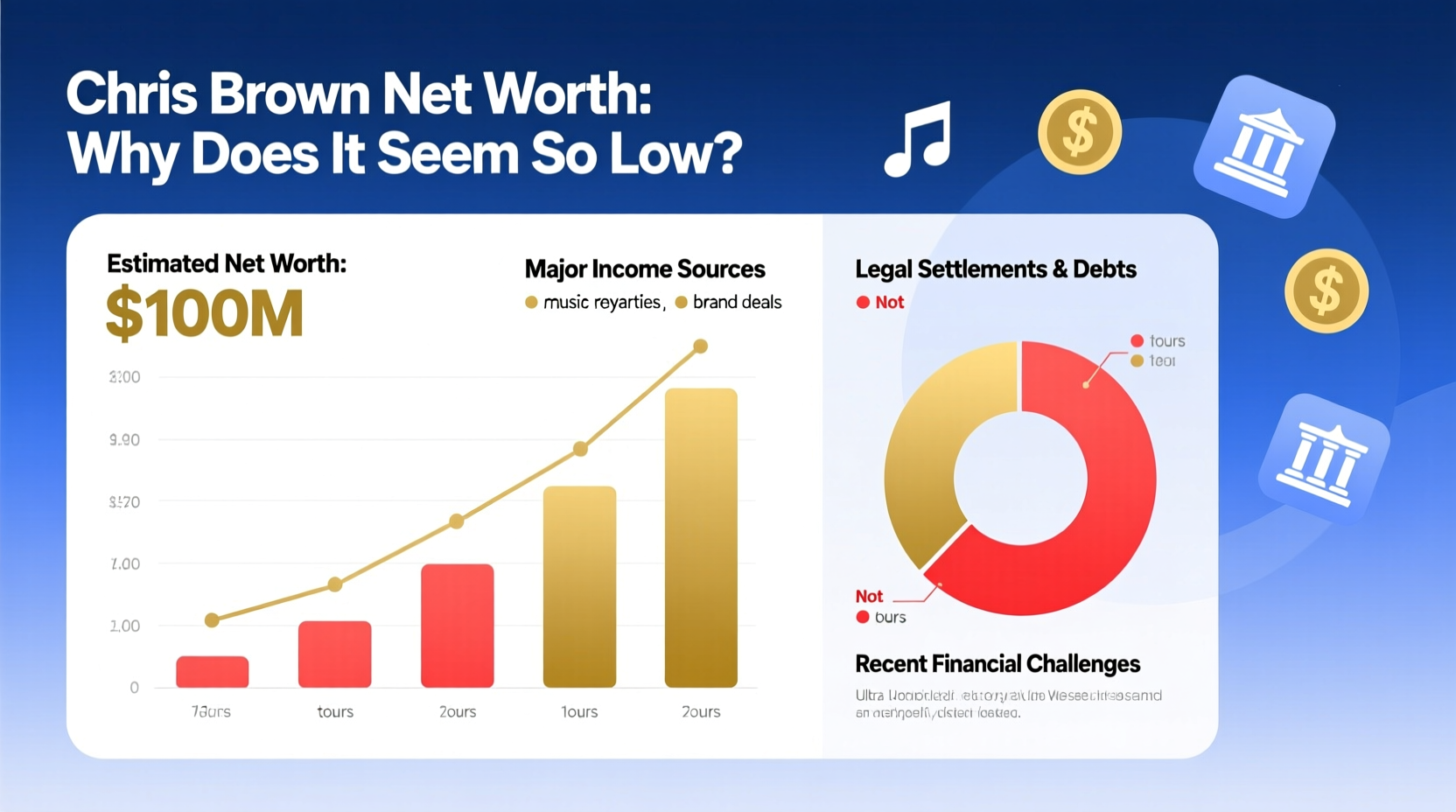
Net worth is not simply a reflection of how much someone earns—it’s what remains after debts, taxes, investments, and losses. Chris Brown has earned well over $100 million in gross income throughout his career from music sales, touring, endorsements, and acting. However, net worth calculations factor in liabilities, asset depreciation, and financial setbacks that aren’t always public.
Brown’s career has been marked by both explosive highs and costly lows. His 2009 felony assault conviction involving Rihanna triggered a cascade of financial consequences: suspended projects, canceled tours, revoked endorsements (including Nike and Pepsi), and millions in lost revenue. Industry experts estimate he lost upward of $50 million in immediate opportunities following the incident.
“Talent can generate income, but reputation directly impacts marketability—and marketability drives long-term wealth.” — Marcus Lee, Entertainment Finance Analyst at Billboard Insights
Legal Costs and Settlements: A Hidden Drain on Wealth
One of the most significant yet underreported factors affecting Chris Brown’s net worth is the cumulative cost of legal issues. Beyond the 2009 case, Brown has faced multiple arrests, restraining orders, and civil lawsuits over the years. While not all resulted in convictions, each incident incurred legal fees, bail payments, probation-related expenses, and private security needs.
Lawyers specializing in celebrity cases estimate that high-profile clients can spend $300–$1,000 per hour on legal representation. Over 15 years of recurring legal challenges, these costs add up quickly. Conservatively, Brown may have spent $10–$15 million on legal defense alone—a figure rarely reflected in public net worth reports but deeply impactful.
Touring Income vs. Financial Leakage
Touring is the primary income source for most musicians today. Chris Brown is known for relentless touring—his “Under the Influence Tour” in 2023 grossed over $40 million across 70+ shows. Yet high-grossing tours don’t automatically translate to high net profit.
A typical major tour involves substantial overhead: crew salaries, transportation, production design, venue rentals, marketing, and booking fees. Artists usually retain 30–40% of gross ticket revenue after expenses. For a $40 million tour, that leaves roughly $12–$16 million in artist profit—before taxes, management cuts (typically 15–20%), and personal spending.
| Revenue Source | Gross Estimate (Career) | Artist Net Share |
|---|---|---|
| Touring | $200 million+ | ~$70 million |
| Music Sales & Streaming | $40 million | ~$15 million |
| Endorsements | $10 million (pre-2009) | ~$7 million |
| Acting & Appearances | $8 million | ~$5 million |
| Total Estimated Net Income | $97 million |
This suggests Brown should be worth significantly more—so where did the gap come from?
Lifestyle, Assets, and Off-the-Books Spending
Chris Brown lives extravagantly. He owns luxury vehicles (Rolls-Royces, Lamborghinis), multiple properties (including homes in Los Angeles and Atlanta), and frequently charters private jets. While some assets appreciate, many depreciate rapidly. A $500,000 car loses value the moment it’s driven off the lot; private jet usage burns cash at $10,000+ per hour.
Moreover, Brown is known for generous gifting—cars, jewelry, and cash gifts to friends and family are well-documented. While heartwarming, such behavior doesn’t build net worth. In fact, IRS guidelines consider large gifts as taxable events, further complicating financial reporting.
Unlike artists who reinvest in businesses (e.g., Drake with OVO, Rihanna with Fenty), Brown’s ventures have been less structured. He launched CB7 clothing and CBE Records, but neither achieved breakout commercial success. Without scalable brands or equity stakes, income remains tied to performance—not passive growth.
Mini Case Study: The 2013 “Carpe Diem” Tour Reset
After serving jail time and probation, Brown returned to touring in 2013 with the “Carpe Diem Tour.” Despite selling out arenas, insiders revealed that 60% of early profits went toward repaying creditors and settling back taxes. One tour manager noted anonymously: “We were making money, but it was going straight into clearing old debts. It took two full tours just to get Chris back to zero.” This illustrates how past liabilities can delay wealth accumulation—even during periods of high activity.
Why Perception Falls Short: Media Math vs. Reality
Public net worth estimates often rely on incomplete data. Forbes, Celebrity Net Worth, and similar sites use modeling based on reported earnings, property records, and industry averages—but they can’t access private contracts, trusts, or offshore holdings. Brown may hold assets not publicly disclosed, including royalties, real estate investments, or digital content rights.
Additionally, tax strategy plays a role. Many artists structure income through LLCs or relocate to low-tax states (like Florida) to reduce liabilities. If Brown uses such strategies, his liquid net worth may appear lower while his long-term financial health remains strong.
Checklist: Factors That Reduce a Celebrity’s Reported Net Worth
- Outstanding legal settlements or fines
- High-cost lifestyle and discretionary spending
- Lack of diversified business ventures
- Depreciating assets (cars, fashion, electronics)
- Industry blacklisting or endorsement losses
- Management or accounting missteps
- Unreported debt or loans
FAQ
Is Chris Brown really worth only $50 million?
Possible—but likely an underestimate. Public figures range from $50M to $70M, but this excludes private assets, future royalties, and potential business interests. True net worth could be higher, especially if he holds undervalued intellectual property.
Why doesn’t Chris Brown have more endorsements?
Brand partnerships require clean public images. Despite musical relevance, Brown’s legal history makes him a risk for major corporations. Most endorsements since 2009 have been short-term or regional, limiting revenue potential.
Can Chris Brown increase his net worth significantly in the next decade?
Yes—through smart investments, catalog monetization (his music library is valuable), and launching sustainable brands. If he focuses on legacy-building ventures rather than consumption, his net worth could double.
Step-by-Step: Building Sustainable Wealth After Setbacks
- Stabilize Legal Standing: Avoid new incidents that trigger fines or lost opportunities.
- Hire a Trusted Financial Team: Include CPAs, wealth managers, and legal advisors focused on long-term growth.
- Monetize the Catalog: Sell or license master recordings, sync deals for film/TV, and reissue classic albums.
- Launch Scalable Businesses: Invest in tech, beverage, fashion, or wellness—sectors with high margins and exit potential.
- Reduce Lifestyle Leakage: Limit impulsive spending and focus on asset acquisition over consumption.
Conclusion
Chris Brown’s net worth isn’t low because he lacks talent or income—it’s shaped by years of volatility, legal strain, and choices that prioritized survival over savings. But net worth isn’t destiny. With discipline, strategic reinvestment, and continued artistic output, Brown has every opportunity to grow his wealth substantially in the coming years. His story is a reminder that financial success isn’t just about earning—it’s about preserving, protecting, and planning.




 浙公网安备
33010002000092号
浙公网安备
33010002000092号 浙B2-20120091-4
Comments
No comments yet. Why don't you start the discussion?