
As the holiday season approaches, many households face a familiar decision: should they bring home a fresh-cut evergreen or set up a reusable artificial tree? While aesthetics and convenience often dominate the conversation, families with allergies or pets must consider deeper health and safety implications. The choice isn’t just about tradition or cost—it can directly impact indoor air quality, pet behavior, and overall well-being during one of the most cherished times of the year.
A real Christmas tree brings the unmistakable scent of pine and a sense of seasonal authenticity. But it also introduces natural allergens, mold spores, and potential hazards for curious animals. On the other hand, an artificial tree eliminates pollen and sap but may harbor dust, chemical off-gassing, and sharp components that pose risks to both children and pets. Understanding the full scope of these trade-offs is essential for making a truly informed decision.
Allergy Concerns: Real Trees and Indoor Air Quality
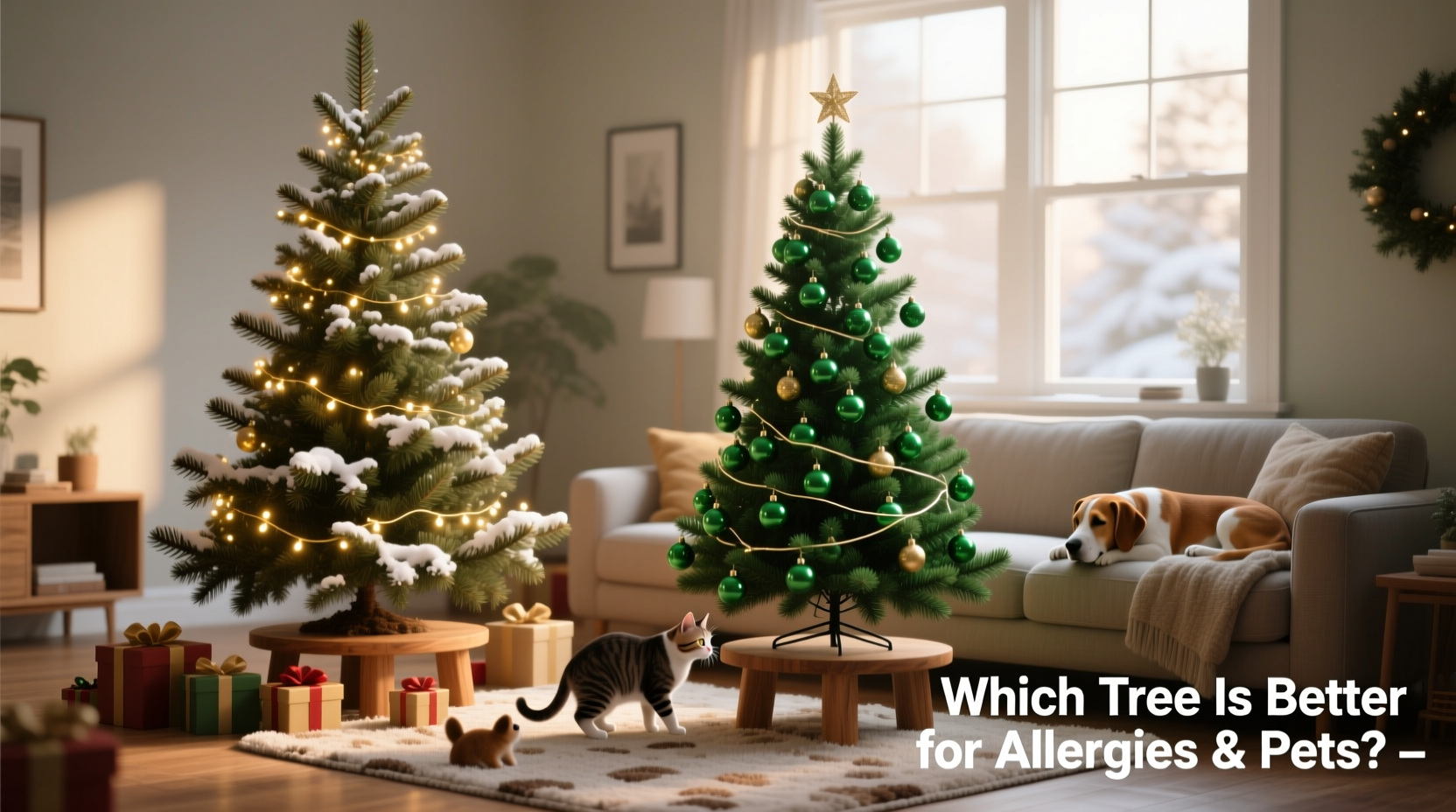
For allergy sufferers, especially those sensitive to pollen, mold, or plant-based irritants, a live Christmas tree can be more than festive—it can be problematic. Even if you're not allergic to pine itself, real trees often carry hidden allergens. Studies have shown that cut evergreens can host thousands of mold spores. Once placed in a warm indoor environment with water, these spores multiply rapidly, releasing into the air and potentially triggering symptoms like sneezing, congestion, itchy eyes, and asthma flare-ups.
Dr. Linda Cox, a board-certified allergist and past president of the American College of Allergy, Asthma & Immunology, explains:
“Christmas trees can significantly increase indoor mold levels. In one study, mold counts rose from under 500 spores per cubic meter to over 5,000 within two weeks of having a tree indoors. For people with respiratory conditions, this spike can be dangerous.” — Dr. Linda Cox, Allergist
The issue isn’t limited to mold. Trees grown outdoors collect dust, insect residue, and environmental pollutants. Bringing them inside without proper cleaning means introducing all of that into your living space. Even vacuuming or shaking the tree before setup doesn't eliminate microscopic particles embedded in the needles and bark.
Pet Safety: Real Trees Pose Hidden Dangers
Pets, particularly dogs and cats, are naturally curious—and a towering tree filled with dangling ornaments and crinkly tinsel is practically irresistible. With real trees, the risks go beyond knocked-over decorations. Pine needles are mildly toxic when ingested and can cause vomiting, diarrhea, or even intestinal punctures in small animals. The tree water reservoir is another hazard: it may contain preservatives, fertilizers, or bacteria that thrive in stagnant water, all of which can make pets seriously ill if consumed.
Cats often treat the tree as a climbing structure. A toppled tree can lead to injuries or broken glass from ornaments. Additionally, some pets chew on electrical cords from lights, risking electrocution. Even the scent of pine can be overwhelming for animals with sensitive noses, leading to stress or avoidance behaviors.
A mini case study illustrates this risk:
The Rivera family brought home a Fraser fir for their first Christmas in a new home. Their 2-year-old golden retriever, Max, was fascinated by the tree. Within days, he managed to drink from the stand, resulting in severe gastrointestinal distress. A vet visit revealed bacterial contamination in the water. After switching to an artificial tree with a covered base, they noticed not only improved pet safety but also fewer allergy symptoms in their daughter, who has asthma.
Artificial Trees: Pros and Cons for Health and Pets
Artificial trees offer a compelling alternative, particularly for allergy-prone households. Without pollen or mold, they don’t contribute to seasonal respiratory issues. They’re also reusable, reducing long-term waste and eliminating annual exposure to outdoor allergens.
However, artificial trees aren’t without drawbacks. Most are made from polyvinyl chloride (PVC), a plastic known to emit volatile organic compounds (VOCs), especially when new. These chemicals can cause headaches, throat irritation, or worsened asthma symptoms in sensitive individuals. Off-gassing is typically strongest in the first few days after unboxing, so ventilation is critical.
Storage practices also matter. Artificial trees kept in garages or basements accumulate dust, mold, and pests over time. When unpacked, these contaminants become airborne. For pet owners, frayed wires, loose branches, or small decorative elements can still pose choking or injury risks if chewed or swallowed.
Still, modern artificial trees come with safety improvements—fire-resistant materials, pre-lit LED lighting with low heat output, and sturdier bases. Many models now use PE (polyethylene) needles that look and feel more realistic while minimizing shedding compared to older PVC versions.
Comparison Table: Real vs Artificial Trees
| Factor | Real Tree | Artificial Tree |
|---|---|---|
| Allergens | High (mold, pollen, sap) | Low (dust, VOCs when new) |
| Pet Toxicity Risk | Moderate to High (needles, water) | Low (plastic parts, if chewed) |
| Lifespan | 1 season | 5–10+ years |
| Indoor Air Impact | Increases mold and particulates | Off-gassing initially; dust if stored poorly |
| Maintenance | Daily watering, needle cleanup | Dusting, careful storage |
| Environmental Impact | Biodegradable but transportation footprint | Non-biodegradable, long-term plastic use |
| Cost Over Time | $50–$100 annually | $100–$300 upfront, then free |
Step-by-Step Guide to Minimizing Risks with Either Tree Type
No tree is entirely risk-free, but proactive steps can make either option safer for your household. Follow this timeline to prepare and maintain your tree responsibly:
- Week Before Setup: Inspect your chosen tree location. Ensure it’s away from heat sources, foot traffic, and pet zones. Check lights for frayed wires or broken bulbs.
- Day of Setup:
- If using a real tree: Rinse it thoroughly outdoors and allow 24 hours to dry.
- If using artificial: Unpack in a garage or balcony, wipe down each branch with a damp microfiber cloth, and let air out in a ventilated area for at least 6 hours.
- During Assembly: Use a stable stand that prevents tipping. Secure the tree to a wall anchor if you have large pets or active children.
- Ornament Placement: Keep breakable, small, or toxic decorations above 3 feet. Avoid tinsel and candy canes within pet reach.
- Ongoing Maintenance:
- Real tree: Change water daily; remove fallen needles promptly.
- Artificial tree: Dust weekly with a soft brush or microfiber cloth.
- Takedown: Remove all ornaments safely. Dispose of real trees promptly through municipal recycling. Clean artificial trees before storing in a sealed, labeled container in a dry, cool place.
Checklist: Choosing the Right Tree for Your Home
Use this checklist to evaluate which tree type aligns best with your household’s health and lifestyle needs:
- ✅ Do any family members suffer from asthma, hay fever, or mold sensitivity?
- ✅ Do you have pets that chew, climb, or knock things over?
- ✅ Is storage space available for an artificial tree?
- ✅ Are you able to clean and maintain a real tree daily?
- ✅ Is initial cost a concern, or do you prefer a long-term investment?
- ✅ Do you prioritize eco-friendliness or tradition?
- ✅ Can you dedicate time to thorough pre-setup cleaning?
If most answers lean toward health sensitivities and pet safety, an artificial tree—properly cleaned and maintained—is likely the better choice. If you value natural fragrance and sustainability and can manage allergen control, a real tree may still work with precautions.
Frequently Asked Questions
Can artificial Christmas trees cause allergies?
Yes, though differently than real trees. Artificial trees themselves don’t produce allergens, but they collect dust, mold, and mites during storage. When unpacked, these particles become airborne. New trees may also release VOCs from plastics, irritating sensitive individuals. Regular cleaning and ventilation reduce these risks significantly.
Are pine needles poisonous to cats and dogs?
Pine needles are not highly toxic, but they are hazardous when ingested. Their sharp edges can cause oral injuries or puncture the digestive tract. Additionally, tree water may contain additives or bacteria that lead to vomiting, diarrhea, or lethargy. It’s best to keep pets away from both needles and the water basin.
How can I make a real Christmas tree safer for my asthmatic child?
Start by selecting a fresher tree and hosing it down before bringing it inside. Allow it to dry completely in a garage or sheltered area. Use a HEPA air purifier near the tree to capture mold spores and particulates. Change the water daily and remove the tree after no more than two weeks to limit mold buildup.
Conclusion: Making the Healthiest Choice for Your Family
The debate between real and artificial Christmas trees ultimately hinges on personal priorities—but when allergies and pets are involved, the balance often tips toward artificial options. While real trees offer charm and tradition, their potential to introduce mold, sap, and toxins into the home makes them a higher-risk choice for sensitive individuals and animals. Artificial trees, despite concerns about plastics and storage dust, provide greater control over the indoor environment when properly maintained.
The key isn’t just choosing one type over the other—it’s committing to safe practices regardless of your selection. Whether you welcome a fragrant evergreen or assemble a flickering faux fir, preparation, cleanliness, and vigilance around pets will determine how smoothly your holidays unfold.




 浙公网安备
33010002000092号
浙公网安备
33010002000092号 浙B2-20120091-4
Comments
No comments yet. Why don't you start the discussion?