
For home bakers seeking a quick, reliable, and indulgent treat, the cinnamon roll recipe using crescent roll dough delivers bakery-style results with pantry-friendly ingredients and minimal prep time. Unlike traditional yeast-raised cinnamon rolls that require hours of rising, this version leverages the flaky, layered texture of refrigerated crescent roll dough to create tender, buttery pastries in under 30 minutes. It’s an ideal solution for last-minute breakfasts, holiday mornings, or sweet cravings when time is limited but flavor cannot be compromised. This method bridges convenience and homemade quality, making it a staple technique for both novice cooks and experienced bakers looking to streamline their process without sacrificing taste.
Definition & Overview
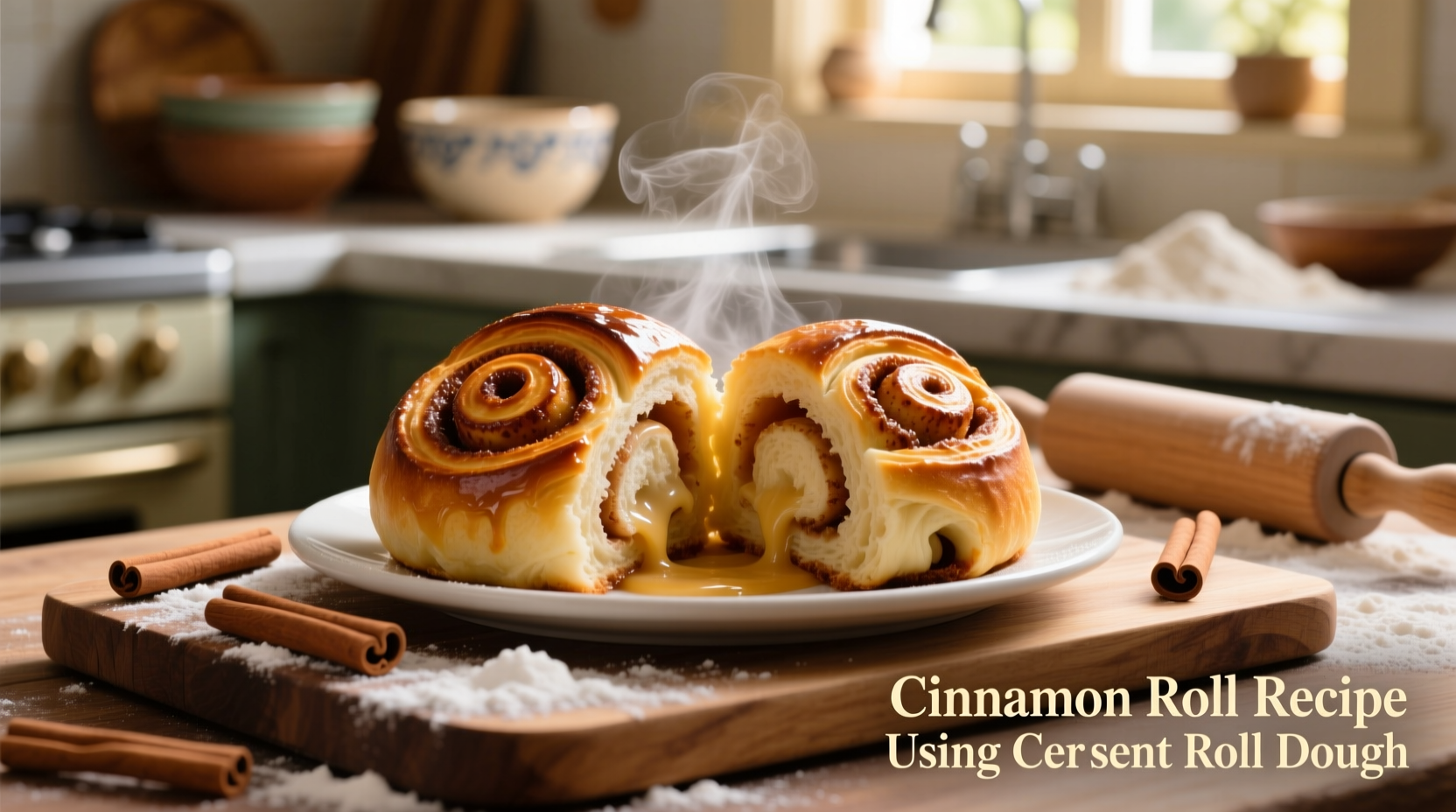
Cinnamon rolls are a classic American pastry composed of a soft, enriched dough rolled around a filling of ground cinnamon and sugar, often enriched with butter, then sliced into spirals and baked. Traditionally, they are made from scratch using yeast, flour, milk, eggs, and butter, requiring two rounds of proofing before baking. The finished product is fluffy, aromatic, and typically finished with a cream cheese or vanilla glaze.
The variation using crescent roll dough reimagines this beloved treat by substituting the labor-intensive dough with pre-made refrigerated crescent sheets. These doughs—typically sold in 8-ounce cans—are engineered to rise slightly during baking while delivering a delicate, flaky crumb. When unrolled, flattened, and layered with a spiced butter-sugar mixture, they transform into a close approximation of traditional cinnamon rolls, capturing the essence of the original with a fraction of the effort.
This shortcut method has gained widespread popularity due to its accessibility. It requires no stand mixer, no kneading, and no waiting for dough to rise. It's particularly valuable in households with children, beginner bakers, or anyone needing a warm, comforting pastry on short notice. Despite its simplicity, the final result remains impressively rich and satisfying, with golden-brown swirls, a moist interior, and the signature warmth of cinnamon.
Key Characteristics
- Flavor Profile: Sweet, warmly spiced with dominant notes of cinnamon and brown sugar, enhanced by melted butter.
- Texture: Tender and slightly flaky exterior with a soft, cake-like interior; less dense than scratch-made versions.
- Aroma: Rich, buttery, and deeply aromatic—evokes classic bakery scents upon baking.
- Appearance: Golden-brown spiral rolls, often with visible sugar-cinnamon streaks and caramelized edges.
- Baking Time: 18–22 minutes at 350°F (175°C), significantly faster than traditional recipes.
- Shelf Life: Best served fresh; can be stored airtight at room temperature for up to 2 days or frozen for 1 month.
- Culinary Function: Breakfast item, brunch centerpiece, dessert, or portable snack.
Pro Tip: For optimal texture, avoid overbaking. Remove rolls when the tops are golden and the filling is bubbling slightly—overexposure leads to dryness.
Practical Usage: Step-by-Step Recipe
Creating cinnamon rolls from crescent roll dough is a straightforward process that yields impressive results. Follow this detailed method for consistent success.
Ingredients
- One 8-ounce can refrigerated crescent roll dough (original variety recommended)
- ½ cup packed light brown sugar
- 1½ teaspoons ground cinnamon
- ¼ cup unsalted butter, melted (plus extra for greasing pan)
- ½ teaspoon vanilla extract (optional, enhances depth)
- ¼ cup chopped pecans or walnuts (optional)
Glaze (Optional but Recommended)
- 4 tablespoons powdered sugar
- 1–2 tablespoons milk or cream
- ½ teaspoon vanilla extract
Equipment
- 9-inch round or square baking dish
- Pastry brush or spoon
- Small bowl
- Knife or pizza cutter
Instructions
- Preheat oven to 350°F (175°C). Lightly grease the baking dish with butter or non-stick spray.
- Prepare the dough: Open the can of crescent dough and carefully separate the triangles. Press the perforations together to form a single rectangle, then use your fingers or a rolling pin to flatten it into a uniform 9x5-inch rectangle. If your package contains two sheets, layer them slightly overlapping to increase thickness and softness.
- Make the filling: In a small bowl, combine brown sugar, cinnamon, and vanilla. Stir in melted butter until a thick paste forms. Add nuts if desired.
- Spread the filling: Using a spoon or offset spatula, evenly spread the cinnamon-sugar mixture over the entire surface of the dough, leaving a ½-inch border along one long edge to prevent oozing during rolling.
- Roll tightly: Starting from the edge opposite the clean border, roll the dough into a tight log. Pinch the seam gently to seal.
- Cut into rolls: Use a sharp knife or dental floss to slice the log into 6–8 equal pieces (about 1 inch each). Place them cut-side up in the prepared baking dish, spaced slightly apart to allow expansion.
- Bake: Bake for 18–22 minutes, or until the tops are golden brown and the filling bubbles between layers.
- Prepare glaze: While the rolls bake, whisk powdered sugar, milk, and vanilla until smooth. Adjust thickness by adding more milk (for drizzling) or sugar (for thicker coating).
- Finish and serve: Allow rolls to cool for 5 minutes, then drizzle generously with glaze. Serve warm.
Expert Insight: To prevent sticking when cutting, chill the rolled dough log for 10 minutes before slicing. Alternatively, use unflavored dental floss—slide it under the roll, cross the ends over the top, and pull to slice cleanly without squashing.
Variants & Types
While the base recipe remains consistent, several variations can elevate or customize the final product based on dietary needs, flavor preferences, or occasion.
1. Canned Crescent vs. Homemade Substitute
Refrigerated crescent dough comes in multiple forms:
- Original Crescent Dough: Contains wheat flour, oil, and leavening agents; provides the best balance of flakiness and rise.
- Pillsbury Grands! Flaky Layers: Thicker and puffier; ideal for larger, bakery-style rolls.
- Whole Wheat or Reduced-Fat Versions: Available but yield drier, denser results; not recommended unless necessary.
- Homemade Crescent-Style Dough: A scratch version mimicking the texture can be used, though it defeats the purpose of speed. Reserve for when only freshness and control over ingredients matter.
2. Flavor Variations
- Apple Cinnamon Rolls: Add ⅓ cup finely diced apples (peeled) to the filling for moisture and fruitiness.
- Sticky Buns Version: Pour ¼ cup of warmed maple syrup or honey into the baking dish before placing the rolls. After baking, invert onto a plate so the glaze becomes a sticky topping.
- Savory-Sweet Option: Sprinkle a pinch of sea salt over the glaze or incorporate cardamom (¼ tsp) alongside cinnamon for complexity.
- Dairy-Free: Use plant-based butter and almond milk in the glaze.
- Gluten-Free: Substitute with gluten-free crescent dough alternatives such as those from Pillsbury or homemade puff pastry substitutes (results may vary).
3. Shape & Presentation Styles
- Classic Spiral: Rolled log cut into rounds—most common and visually appealing.
- Sheet Pan Style: Spread filling over the entire dough sheet, roll into a large log, slice, and place side-by-side in a 9x13 pan for pull-apart sharing.
- Muffin Tin Rolls: Cut dough into squares, place in greased muffin cups, fill centers, then bake for individual portions.
| Type | Thickness | Rise Level | Best For |
|---|---|---|---|
| Standard Crescent | Thin | Low-Moderate | Quick breakfasts, kids’ snacks |
| Grands! Flaky Layers | Thick | Moderate-High | Giftable treats, brunch displays |
| Reduced Fat | Thin | Low | Occasional use only |
| Organic/Non-GMO | Variable | Moderate | Health-conscious bakers |
Comparison with Similar Ingredients
It's important to distinguish crescent roll dough from other dough products commonly mistaken for substitutes.
| Dough Type | Texture | Butter Content | Suitable for Cinnamon Rolls? | Why or Why Not |
|---|---|---|---|---|
| Crescent Roll Dough | Layered, slightly yeasty | Moderate | Yes — ideal | Engineered to rise slightly and brown beautifully; easy to roll and handle. |
| Puff Pastry | Very flaky, crisp | High (often >30%) | Limited | Tends to crack when rolled; excessive butter causes leakage and uneven baking. |
| Phyllo Dough | Fragile, paper-thin | Applied between layers | No | Too delicate; requires brushing each layer; filling leaks through easily. |
| Refrigerated Biscuit Dough | Dense, cake-like | Low | Yes — alternative | Can be flattened and filled, but lacks flakiness; results in heavier rolls. |
“The genius of using crescent dough lies in its engineered imperfection—it’s designed to separate slightly during baking, which allows the cinnamon-sugar filling to caramelize between layers, creating pockets of molten sweetness you rarely achieve with scratch dough.”
— Professional Pastry Chef Elena Rodriguez, Culinary Institute of America
Practical Tips & FAQs
How do I prevent the filling from leaking out?
Leave a small border (½ inch) unfilled along one long edge before rolling. Seal the seam gently after rolling. Also, avoid overfilling—stick to the recommended ½ cup brown sugar mixture for one can.
Can I make these ahead of time?
Yes. Assemble the rolls, cover tightly with plastic wrap, and refrigerate overnight. Bake directly from cold, adding 3–5 minutes to baking time. Do not freeze before baking—the dough may release excess moisture.
Why are my rolls dry?
Overbaking is the most common cause. Check at 18 minutes. Also, ensure you're using original crescent dough—not reduced-fat versions, which contain less fat and moisture.
Can I use ground nutmeg or allspice?
Yes. Add ¼ teaspoon nutmeg or a pinch of allspice to deepen the spice profile. Avoid cloves or ginger unless specifically desired—they overpower easily.
Is there a vegan option?
Use plant-based butter and confirm the crescent dough brand is vegan (some contain dairy derivatives). Most major brands label accordingly.
What’s the best way to store leftovers?
Cool completely, then store in an airtight container at room temperature for up to 48 hours. Reheat in microwave (10–15 seconds) or toaster oven (3 minutes at 325°F) to restore softness.
Can I double the recipe?
Absolutely. Use two cans of dough and double all filling ingredients. Bake in a 9x13-inch pan, arranging rolls side-by-side. Increase baking time to 22–25 minutes.
Do I need to glaze them?
Not required, but highly recommended. The glaze adds sweetness, moisture, and visual appeal. For a simpler finish, dust with powdered sugar or serve plain with coffee.
Storage Checklist:
✔ Cool completely before storing
✔ Use airtight container
✔ Refrigeration extends life to 5 days (but reheating needed)
✔ Freeze individually wrapped rolls for up to 1 month
✔ Thaw at room temperature, then refresh in oven
Summary & Key Takeaways
The cinnamon roll recipe using crescent roll dough stands as a triumph of modern home cooking—merging convenience, flavor, and visual appeal into a single accessible technique. By leveraging pre-made dough, bakers eliminate the most time-consuming aspects of traditional methods while preserving the sensory pleasures of warm, spiced pastries fresh from the oven.
Key advantages include rapid preparation (under 10 minutes hands-on), minimal equipment needs, high success rate, and adaptability across dietary preferences and occasions. Whether served at a Sunday brunch, offered as a holiday surprise, or enjoyed as a midnight snack, these rolls deliver comfort with credibility.
Success hinges on three fundamentals: using standard (not reduced-fat) crescent dough, applying a consistent, moist filling, and avoiding overbaking. Customization—from add-ins like nuts and fruit to presentation styles like sheet pans or muffin tins—allows personal expression without compromising ease.
In a culinary landscape where time is often scarcer than ingredients, this recipe exemplifies smart cooking: respecting tradition while embracing innovation. It empowers even inexperienced cooks to produce results that rival professional bakeries, reinforcing the idea that great food doesn’t always require great effort—just great technique.
Try This Next: Transform leftover rolls into French toast by slicing them thickly, dipping in egg-milk mixture, and pan-frying until golden. The residual cinnamon and sugar create a naturally sweet custard toast—perfect for repurposing with flair.




 浙公网安备
33010002000092号
浙公网安备
33010002000092号 浙B2-20120091-4
Comments
No comments yet. Why don't you start the discussion?