
Dull, tired-looking skin is a common concern—especially after long days, poor sleep, or seasonal shifts. When you want a quick transformation, facial masks promise visible radiance. But with so many options, one question stands out: clay masks vs sheet masks—which delivers faster glow for dull skin?
The answer isn’t one-size-fits-all. Each type of mask works differently, targeting distinct causes of dullness. Clay masks detoxify and refine, while sheet masks hydrate and brighten. Understanding their mechanisms, active ingredients, and timelines for results can help you make an informed decision—especially when time is of the essence.
Understanding Dull Skin: Causes and Quick Fixes
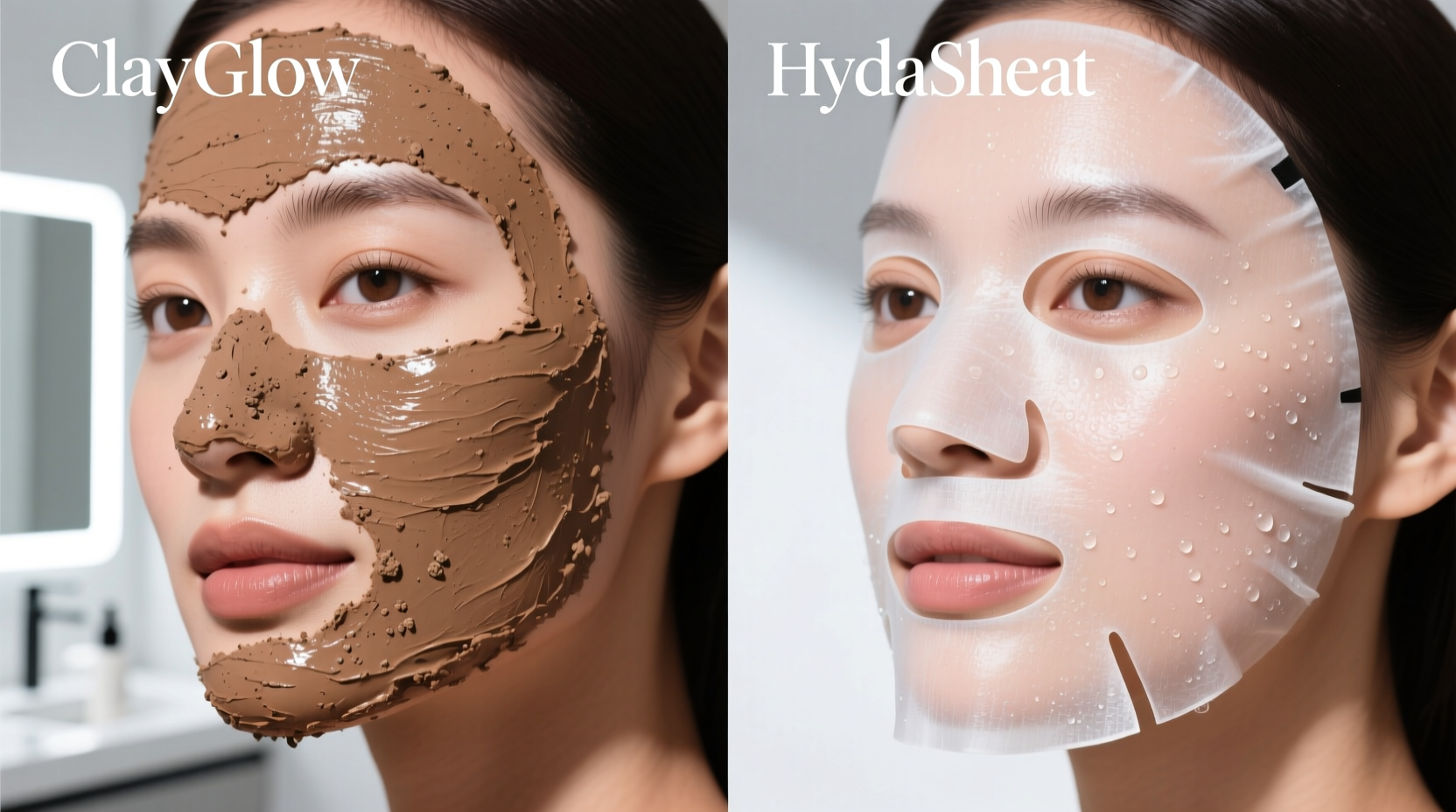
Dullness occurs when dead skin cells accumulate on the surface, light reflection diminishes, and hydration drops. Contributing factors include:
- Poor exfoliation leading to a buildup of dead skin
- Dehydration from environmental exposure or inadequate water intake
- Oxidative stress due to pollution and UV exposure
- Reduced microcirculation, often linked to fatigue or lack of sleep
- Overproduction of sebum clogging pores and creating a hazy appearance
A “glow” isn’t just about brightness—it’s a combination of clarity, smoothness, hydration, and even tone. To achieve it quickly, your choice of mask must align with the root cause of your dullness.
How Clay Masks Work: Deep Cleansing for Instant Clarity
Clay masks are formulated with mineral-rich clays like kaolin, bentonite, or French green clay. These absorb excess oil, draw out impurities, and gently exfoliate dead skin cells. Their mechanism is physical and chemical—pulling debris from pores while mildly resurfacing the top layer.
When applied, clay begins drying immediately. As it contracts, it lifts away dirt and oil, leaving pores visibly minimized and skin feeling tighter and smoother. This mechanical action often results in an immediate visual improvement—skin appears more refined and translucent.
Many clay masks also contain brightening agents such as vitamin C, licorice root, or niacinamide. These don’t work instantly but begin penetrating during the 10–15 minute wear time, supporting longer-term luminosity.
“Clay masks offer a fast-refresh effect by unclogging pores and smoothing texture. For oily or acne-prone skin, this clarity boost can look like instant radiance.” — Dr. Lena Torres, Board-Certified Dermatologist
However, overuse can lead to dryness, especially in normal-to-dry skin types. The very act of oil absorption that clears congestion can also strip moisture, potentially worsening dullness if not followed by proper hydration.
How Sheet Masks Work: Hydration-Driven Glow
Sheet masks consist of a fiber or hydrogel sheet soaked in a serum blend rich in humectants (like hyaluronic acid), antioxidants, and brighteners. They create a semi-occlusive barrier that enhances ingredient penetration and prevents evaporation.
Their primary function is hydration. When skin is plump with moisture, light reflects more evenly—giving the illusion of glow. Studies show that even short-term hydration increases skin translucency and reduces the appearance of fine lines.
Sheet masks typically contain high concentrations of active ingredients. A single 15–20 minute session can deliver weeks’ worth of daily serums in one go. Common glow-enhancing components include:
- Hyaluronic Acid: Binds water to skin, creating immediate plumping
- Vitamin C: Inhibits melanin production and boosts collagen synthesis
- Arbutin & Niacinamide: Reduce pigmentation and improve tone
- Peptides: Support firmness and radiance over time
Because they don’t strip oils, sheet masks are ideal for dry, sensitive, or mature skin. They provide a dewy, lit-from-within look almost immediately after removal—especially when followed by a moisturizer to lock in the serum.
Clay vs Sheet Masks: A Direct Comparison
To determine which delivers faster glow for dull skin, consider speed, mechanism, suitability, and longevity of results. The table below breaks down key differences:
| Feature | Clay Mask | Sheet Mask |
|---|---|---|
| Best For | Oily, congested, acne-prone skin | Dry, dehydrated, tired-looking skin |
| Primary Action | Detoxifying, oil-absorbing, mild exfoliation | Hydrating, nourishing, brightening |
| Time to Visible Effect | Immediate post-rinse clarity (5–15 mins) | Instant plumpness post-removal (15–20 mins) |
| Glow Mechanism | Clears surface debris, refines texture | Plumps skin, enhances light reflection |
| Duration of Glow | Short-term (unless followed by moisturizer) | Moderate (up to 24 hours with sealing) |
| Frequency of Use | 1–2 times per week | 2–3 times per week (or as needed) |
| Risk of Irritation | Higher for dry/sensitive skin | Low (if fragrance-free) |
The data shows that both masks deliver fast results, but through different pathways. Clay masks excel at revealing existing radiance by removing barriers (oil, dead cells). Sheet masks create radiance by boosting volume and hydration.
Real-World Example: Two Women, One Event, Different Solutions
Consider two colleagues preparing for a morning presentation:
Sophie, 28, has combination skin with enlarged pores and occasional breakouts. After a late night, her T-zone looks shiny and her complexion appears muddy. She uses a bentonite and charcoal clay mask for 12 minutes. After rinsing, her skin feels smooth, pores appear smaller, and her face looks “cleaner” and more awake. The glow comes from clarity.
Jamila, 34, has dry, fair skin. She’s been traveling and hasn’t hydrated well. Her cheeks feel tight, and her foundation sits unevenly. She applies a hydrogel sheet mask infused with hyaluronic acid and vitamin C. After 18 minutes, her skin is bouncy, dewy, and noticeably brighter. The glow comes from moisture infusion.
Both achieved a glowing look in under 20 minutes—but tailored to their skin’s needs. Neither solution would have worked as well if swapped.
When Speed Matters: Step-by-Step Guide to Fast Radiance
If you need a glow fast—say, before a meeting, date, or photo shoot—follow this timeline for optimal results:
- 0–2 min: Cleanse – Use a gentle foaming or milky cleanser to remove surface grime without stripping.
- 2–3 min: Tone (optional) – Apply an alcohol-free toner with glycolic or lactic acid to prep for better absorption.
- 3–18 min: Apply the Right Mask
- For oily/congested dullness → Clay mask (10–15 min)
- For dry/tight dullness → Sheet mask (15–20 min)
- 18–20 min: Rinse or Pat In
- Clay mask: Rinse thoroughly with lukewarm water, then splash with cool water to close pores.
- Sheet mask: Remove sheet and gently press remaining serum into skin—no rinsing.
- 20–22 min: Seal with Moisturizer – Lock in benefits with a lightweight lotion (for oily skin) or rich cream (for dry).
- 22–25 min: Add SPF (daytime) – Protect newly refreshed skin from UV damage, which accelerates dullness.
This entire routine takes less than half an hour and can transform lackluster skin into a radiant canvas.
Expert Insight: What Dermatologists Recommend
Board-certified dermatologists emphasize customization over trends.
“The fastest glow depends on the cause of dullness. If it’s dehydration, no amount of clay will fix it—and could make it worse. If it’s congestion, slathering on serum won’t clear the gunk clogging pores. Diagnosis first, treatment second.” — Dr. Rajiv Mehta, Cosmetic Dermatologist, NYC
He recommends assessing skin condition before selecting a mask. A simple test: press your finger lightly on the cheek. If it leaves a white mark that fades slowly, your skin lacks hydration—choose a sheet mask. If your nose shines within 30 minutes of cleansing, excess oil is likely the culprit—try clay.
Frequently Asked Questions
Can I use a clay mask and sheet mask together?
Yes, but not simultaneously. If your skin is both congested and dry, use the clay mask first (once weekly), rinse, then follow with a hydrating sheet mask. This combo clears pores and replenishes moisture—ideal for “stressed” skin. However, avoid overdoing it; limit to once a week to prevent barrier disruption.
Which mask gives longer-lasting glow?
Sheet masks generally provide longer-lasting radiance because hydration supports skin health over time. Clay masks offer a quick refresh but require follow-up care. For sustained glow, pair either with consistent use of antioxidants (like vitamin C serum) and sunscreen.
Are there any risks to using these masks frequently?
Yes. Overusing clay masks (more than 2–3 times weekly) can compromise the skin barrier, leading to redness and increased sensitivity. Sheet masks are gentler, but those with fragrances or alcohol can irritate if used daily. Stick to 2–3 times per week unless otherwise directed.
Checklist: Choosing Your Fast-Glow Mask
Use this checklist to pick the right mask for your skin’s current state:
- ✅ Is my skin oily or shiny by midday? → Lean toward clay mask
- ✅ Does my skin feel tight or flaky? → Choose sheet mask
- ✅ Have I had breakouts recently? → Clay mask may help
- ✅ Did I skip water or sleep last night? → Sheet mask for hydration rescue
- ✅ Do I need glow in under 20 minutes? → Either works—match to skin type
- ✅ Am I using active treatments (retinoids, acids)? → Avoid clay; opt for soothing sheet mask
Conclusion: Choose Smart, Glow Faster
There’s no universal winner in the clay masks vs sheet masks debate when it comes to fast glow for dull skin. Clay masks win for clarity and texture refinement, making them ideal for oily, congested complexions needing a reset. Sheet masks win for hydration and luminosity, delivering dewy, plump skin that looks healthy and vibrant.
The key is understanding your skin’s immediate needs—not following trends. By matching the mask to your skin’s condition, you maximize speed and effectiveness. Whether you’re battling post-breakout haze or travel-induced dehydration, the right mask can deliver visible radiance in under 20 minutes.




 浙公网安备
33010002000092号
浙公网安备
33010002000092号 浙B2-20120091-4
Comments
No comments yet. Why don't you start the discussion?