
When it comes to protecting your iPhone, choosing the right case is about more than just style—it's about longevity, durability, and maintaining that fresh-out-of-the-box look. One of the most common frustrations among iPhone users is yellowing: the gradual discoloration of a once-clear or light-colored case. While both clear and silicone cases are popular, they react differently over time. The real question isn’t just which looks better initially, but which one holds up—and which one yellows faster under everyday conditions.
The Science Behind Case Yellowing
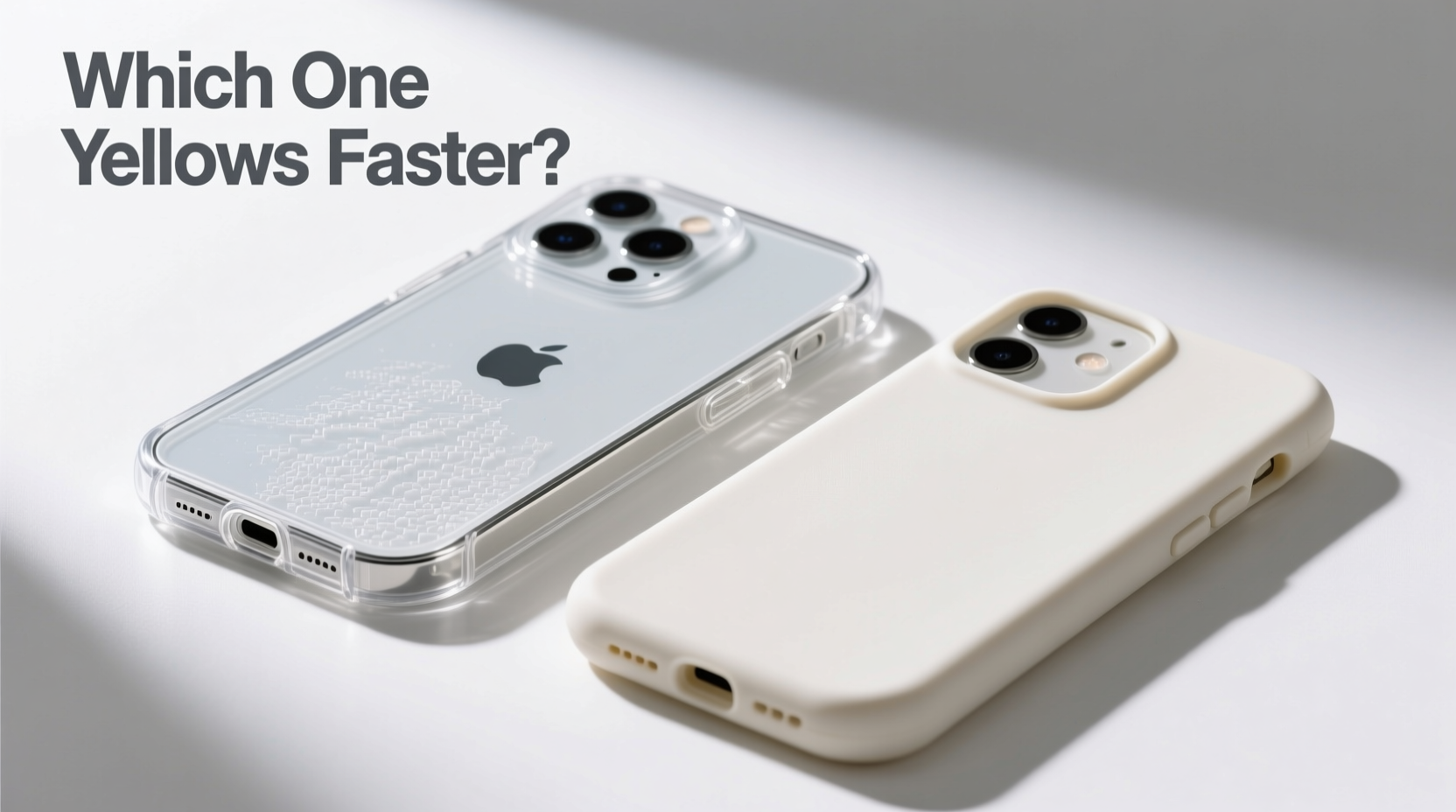
Yellowing in phone cases is primarily caused by a chemical process called oxidation, often accelerated by exposure to ultraviolet (UV) light, heat, and environmental pollutants. Most clear and silicone cases are made from thermoplastic polyurethane (TPU) or polycarbonate (PC), both of which are susceptible to degradation when exposed to external stressors.
TPU, commonly used in flexible clear cases, contains organic compounds that break down when exposed to UV radiation. This breakdown leads to the formation of chromophores—molecules that absorb visible light and give the appearance of yellow or brown tint. Polycarbonate is more UV-resistant but can still discolor if low-quality additives are used during manufacturing.
Silicone cases, while softer and more grippy, are also vulnerable. Though pure silicone is inherently more stable, many consumer-grade \"silicone\" cases are actually silicone-coated TPU or blended with cheaper plastics to reduce costs. These hybrid materials degrade faster than pure silicone, especially when exposed to oils from skin, sweat, or cleaning agents.
“Plastics like TPU are engineered for flexibility and impact resistance, but their chemical structure makes them prone to photo-oxidative degradation—especially in transparent forms.” — Dr. Lena Torres, Materials Scientist at PolyTech Research Group
Clear Cases: The Aesthetic Choice With a Catch
Clear cases are favored for showcasing the original design of the iPhone. They offer a minimalist, sleek look that highlights the device’s color and finish. However, this transparency comes at a cost: visibility amplifies any discoloration.
Because clear cases are typically made from TPU, they begin to yellow within weeks or months depending on usage. Factors such as frequent pocket storage (exposure to lint and fabric dyes), contact with hand lotions, and prolonged sunlight exposure speed up the process. Even indoor lighting, particularly fluorescent or LED bulbs emitting blue light, contributes to gradual degradation.
Higher-end clear cases now use advanced coatings or UV inhibitors to slow yellowing. Brands like Apple’s official Clear Case or premium third-party options from Spigen and UAG incorporate anti-yellowing technology. Still, no clear TPU case remains perfectly clear indefinitely.
Silicone Cases: Softer Feel, But Not Immune
Silicone cases are known for their soft-touch texture, excellent grip, and shock absorption. Traditionally associated with Apple’s own lineup, these cases provide a snug fit and come in a wide range of colors. Because they’re opaque, early signs of yellowing are less noticeable—especially on darker or warmer tones like black, navy, or rose.
However, lighter-colored silicone cases—particularly white, cream, or pastels—are not immune to discoloration. Over time, exposure to nicotine, kitchen grease, or even airborne chemicals can cause staining that mimics yellowing. Unlike clear cases where degradation is chemical (polymer breakdown), silicone discoloration is often superficial but stubborn.
Pure platinum-cured silicone resists aging better than lower-grade alternatives, but many budget-friendly “silicone” cases contain fillers that degrade faster. The rubbery texture also attracts dust and absorbs odors, compounding the perception of aging.
Real-World Example: The Commuter’s Dilemma
Consider Sarah, a graphic designer who commutes daily via subway. She uses a white silicone case because she loves the soft feel and drop protection. After six months, she notices her case has taken on a dingy beige hue near the edges—areas that frequently touch her jeans and bag lining. Despite regular wiping, the color doesn’t bounce back. In contrast, her friend Mark uses a clear TPU case. After only three months, his case has developed a uniform amber tint, even though he keeps his phone mostly indoors. Both cases have yellowed—but in different ways and for different reasons.
Head-to-Head Comparison: Clear vs Silicone
| Feature | Clear Case (TPU) | Silicone Case |
|---|---|---|
| Material Base | Thermoplastic Polyurethane (TPU) | Silicone (often blended with TPU) |
| Initial Clarity/Appearance | Crystal clear, shows iPhone color | Matte or glossy finish, color-opaque |
| Yellowing Onset | Visible within 1–3 months | Subtle; noticeable after 4–8 months on light colors |
| Main Cause of Discoloration | UV exposure, oxidation, heat | Surface staining, oil absorption, environmental grime |
| Ease of Cleaning | Moderate (water + mild soap) | High (wipes easily, but stains may persist) |
| Lifespan Before Noticeable Aging | 3–6 months | 6–12 months (depending on color and care) |
| Premium Anti-Yellowing Options? | Yes (e.g., UV-stabilized TPU) | Limited (mostly depends on purity of silicone) |
How to Extend the Life of Any iPhone Case
Whether you prefer clear or silicone, proactive care can significantly delay yellowing and maintain appearance. Here’s a step-by-step guide to preserving your case:
- Remove and clean weekly: Take the case off your phone and wash it with lukewarm water and a drop of mild dish soap. Use a soft brush for corners.
- Avoid direct sunlight: Don’t leave your phone on car dashboards, windowsills, or under desk lamps for extended periods.
- Limit exposure to chemicals: Hand sanitizers, perfumes, and cleaning sprays contain alcohols and solvents that break down plastic polymers.
- Store properly: When not in use, keep the case in a cool, dry drawer away from heat sources.
- Rotate cases: If you use your phone heavily, consider having two cases and switching monthly to reduce wear on each.
Checklist: Preventing Case Discoloration
- ✅ Clean case every 7–10 days
- ✅ Keep phone out of direct sunlight
- ✅ Avoid contact with lotions and sanitizers
- ✅ Choose high-quality materials (look for “anti-yellowing” labels)
- ✅ Replace case every 6–12 months for optimal protection and appearance
Frequently Asked Questions
Can I reverse yellowing once it starts?
In rare cases, mild surface yellowing on silicone can be reduced with a paste of baking soda and water gently scrubbed with a toothbrush. For clear TPU cases, some try the “sunlight + hydrogen peroxide” method, but this often worsens degradation. Prevention is far more effective than reversal.
Are all clear cases going to yellow?
Virtually all TPU-based clear cases will yellow over time. The rate depends on material quality and environmental exposure. Polycarbonate-dominant cases yellow slower but may lack flexibility.
Is a silicone case better than a clear one for long-term use?
If you prioritize longevity and don’t mind an opaque finish, silicone generally lasts longer before showing age. Light-colored silicones may stain, but darker ones hide wear well. Clear cases offer aesthetic appeal but require more frequent replacement.
Final Thoughts: Choosing Based on Real-World Use
The debate between clear and silicone cases isn’t just about which yellows faster—it’s about what kind of trade-off you’re willing to make. Clear cases deliver unmatched visual appeal but demand higher maintenance and shorter lifespans due to inevitable yellowing. Silicone cases, while more forgiving in appearance, aren’t immune to aging and may absorb stains over time.
Ultimately, the best choice depends on your lifestyle. If you value aesthetics and change phones often, a premium clear case with UV protection might suit you—even if it needs replacing every few months. If you want durability, comfort, and longer service life, a high-quality silicone case in a darker shade offers better long-term value.




 浙公网安备
33010002000092号
浙公网安备
33010002000092号 浙B2-20120091-4
Comments
No comments yet. Why don't you start the discussion?