
In high schools across the country, a familiar sight unfolds daily: couples who seem inseparable, walking hand-in-hand between classes, eating lunch together every day, and rarely seen apart. These \"clingy couples\" often draw attention—sometimes admiration, sometimes eye rolls. But beyond surface-level judgments, there’s more to understand about why these intense relationships form during adolescence and what they signify about emotional development, identity, and social dynamics.
Clinginess in teenage relationships isn’t just about being love-struck. It reflects deeper psychological needs, evolving self-concepts, and the search for belonging. Understanding this phenomenon requires looking at developmental psychology, peer influence, and emotional maturity.
The Psychology Behind Clingy Behavior in Teen Relationships
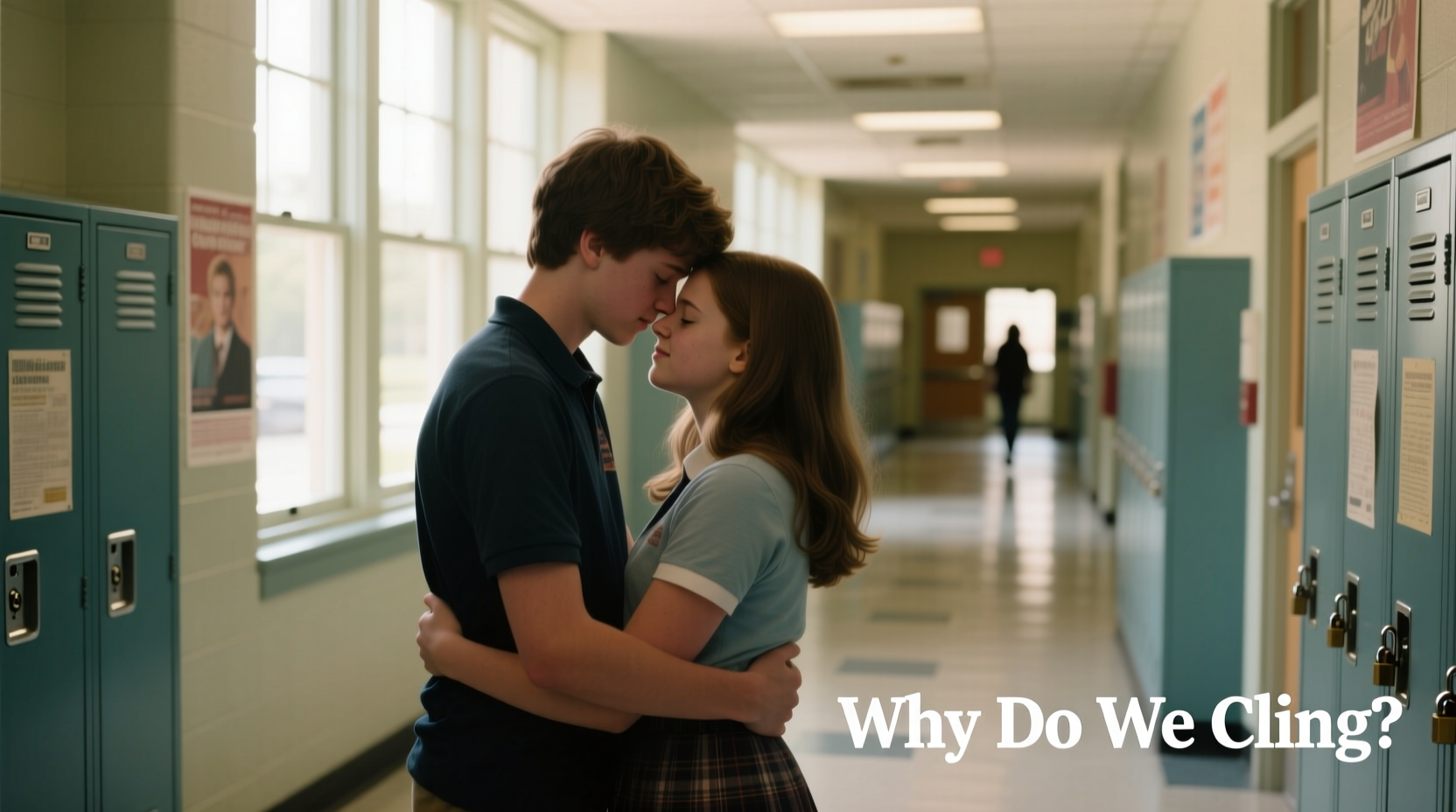
Adolescence is a critical period for identity formation. According to psychologist Erik Erikson, teens are navigating the stage of “identity vs. role confusion,” where they explore who they are and where they fit in the world. Romantic relationships often become a key part of that exploration.
For many teenagers, being in a close, emotionally intense relationship provides a sense of stability and validation. When self-esteem is still forming, having a partner who offers constant attention can feel like proof of worth. This dependency can quickly manifest as clinginess—constant texting, needing to be together all the time, or feeling anxious when apart.
Attachment theory further explains this behavior. Teens with anxious attachment styles—often stemming from inconsistent caregiving in childhood—may seek reassurance through their romantic partners. They may fear abandonment and interpret normal separations (like attending different classes) as rejection.
“Teenagers aren’t just falling in love—they’re learning how to love. The intensity we see in school couples is often less about romance and more about emotional security.” — Dr. Lila Monroe, Adolescent Psychologist
Social Influences That Encourage Clingy Dynamics
School environments amplify relationship visibility. Unlike adult relationships, which often exist outside of public view, teen romances play out in hallways, cafeterias, and social media feeds. This public nature increases pressure to perform affection.
Peer culture also plays a role. In some social circles, being “the couple” grants status. The more visible and inseparable a pair appears, the more validated they may feel by friends. Social media intensifies this: posting couple photos, using hashtags like #relationshipgoals, and sharing daily updates reinforce the idea that closeness equals success.
Additionally, limited opportunities for independence make school a primary social space. With few chances to spend time together outside of school hours, teens may maximize every moment on campus, leading to behaviors that appear clingy but are, in context, practical.
What Clinginess Might Reveal About Emotional Development
Frequent contact, emotional reliance, and physical proximity in teenage couples aren’t inherently unhealthy. In fact, they can serve important developmental functions:
- Emotional regulation: A supportive partner can help a teen manage stress, anxiety, or loneliness.
- Identity reinforcement: Being in a relationship helps teens define themselves (“I’m someone’s girlfriend”) during a time of uncertainty.
- Social skill building: Navigating conflict, expressing affection, and compromising are learned through real interactions.
However, problems arise when clinginess becomes controlling, isolates the individuals from friends, or replaces other sources of fulfillment. A healthy relationship should enhance—not consume—an individual’s life.
When one or both partners show signs of distress when apart, avoid spending time with others, or tie their mood entirely to their partner’s attention, it may indicate emotional dependency rather than mutual support.
Red Flags of Unhealthy Clinginess
| Behavior | May Indicate | Healthy Alternative |
|---|---|---|
| Constant texting during class or late at night | Anxiety about disconnection | Respecting focus time and sleep schedules |
| Refusing to attend events without partner | Over-dependence | Enjoying shared activities while maintaining independent socializing |
| Jealousy over friendships with others | Insecurity or control issues | Trust and confidence in the relationship |
| Mood swings based on partner’s attention | Low self-worth tied to relationship | Internal emotional stability and self-validation |
A Real-Life Scenario: The Case of Maya and Jordan
Maya, 16, and Jordan, 17, were known as “the couple” at Lincoln High. They sat together at lunch, walked between every class, and spent weekends together. At first, peers admired their bond. But over time, concerns emerged.
Maya stopped hanging out with her best friend, citing Jordan’s discomfort. She became upset if Jordan didn’t reply within minutes. Teachers noticed her grades slipping due to late-night texts. When Jordan went on a family trip, Maya withdrew completely, skipping extracurriculars and appearing tearful.
A school counselor met with Maya and discovered she had recently moved to the area and felt socially isolated. Jordan was her first real friend—and then boyfriend. Their relationship filled a deep need for connection, but it had become her sole source of emotional support.
With guidance, Maya began rebuilding friendships and exploring hobbies. Jordan supported the changes once he understood the dynamic wasn’t sustainable. Over time, their relationship evolved into something more balanced—still close, but healthier.
How to Foster Healthier Relationship Habits
While some level of closeness is natural and even beneficial, fostering independence within a relationship leads to greater long-term satisfaction. Here’s a step-by-step guide for teens and those supporting them:
- Encourage individual interests: Support participation in separate clubs, sports, or creative outlets.
- Promote friend group balance: Make sure both partners maintain strong connections outside the relationship.
- Teach emotional self-reliance: Help teens recognize their worth isn’t tied to a partner’s attention.
- Discuss digital boundaries: Agree on reasonable texting limits, especially during study or sleep hours.
- Normalize alone time: Frame time apart not as distance, but as space for personal growth.
Checklist: Signs of a Healthy Teen Relationship
- Both partners have close friends outside the relationship
- They respect each other’s need for space
- Academic and personal goals remain priorities
- Conflict is resolved calmly and respectfully
- Each person maintains a sense of individual identity
- There’s no pressure to change core values or appearance
Frequently Asked Questions
Is it normal for high school couples to be clingy?
Yes, to an extent. Emotional intensity is common in adolescent relationships due to developing brains and new experiences with intimacy. However, extreme clinginess that disrupts daily functioning, friendships, or mental health may signal underlying insecurity or dependency.
Can clingy relationships last?
Some do, especially if both partners grow together and develop healthier dynamics over time. However, most high school relationships end, not because the feelings weren’t real, but because people change. Clinginess often fades as individuals gain confidence and experience more diverse relationships.
Should parents or teachers intervene in overly attached couples?
Direct intervention isn’t always necessary, but gentle guidance can help. Focus on promoting balance, self-esteem, and emotional literacy. Avoid shaming or dismissing their feelings—what they’re experiencing is real, even if it seems immature from an adult perspective.
Conclusion: Understanding, Not Judging
Clingy couples in school are more than a social stereotype—they’re a reflection of the complex journey toward emotional maturity. While excessive dependency can be a red flag, the desire for closeness is natural and even healthy when managed with awareness.
Rather than mocking or worrying about these intense bonds, adults and peers alike can support teens by modeling balanced relationships, encouraging independence, and validating emotions without reinforcing dependency. The goal isn’t to prevent closeness, but to ensure it doesn’t come at the cost of personal growth.




 浙公网安备
33010002000092号
浙公网安备
33010002000092号 浙B2-20120091-4
Comments
No comments yet. Why don't you start the discussion?