
Cloudy urine may seem like a minor issue, but for many men, it can be an early signal of underlying health concerns. While occasional cloudiness is often harmless—linked to dehydration or diet—persistent changes in urine appearance warrant attention. Understanding the potential causes, associated symptoms, and when to consult a healthcare provider empowers men to take timely action and protect their long-term well-being.
What Causes Cloudy Urine in Men?
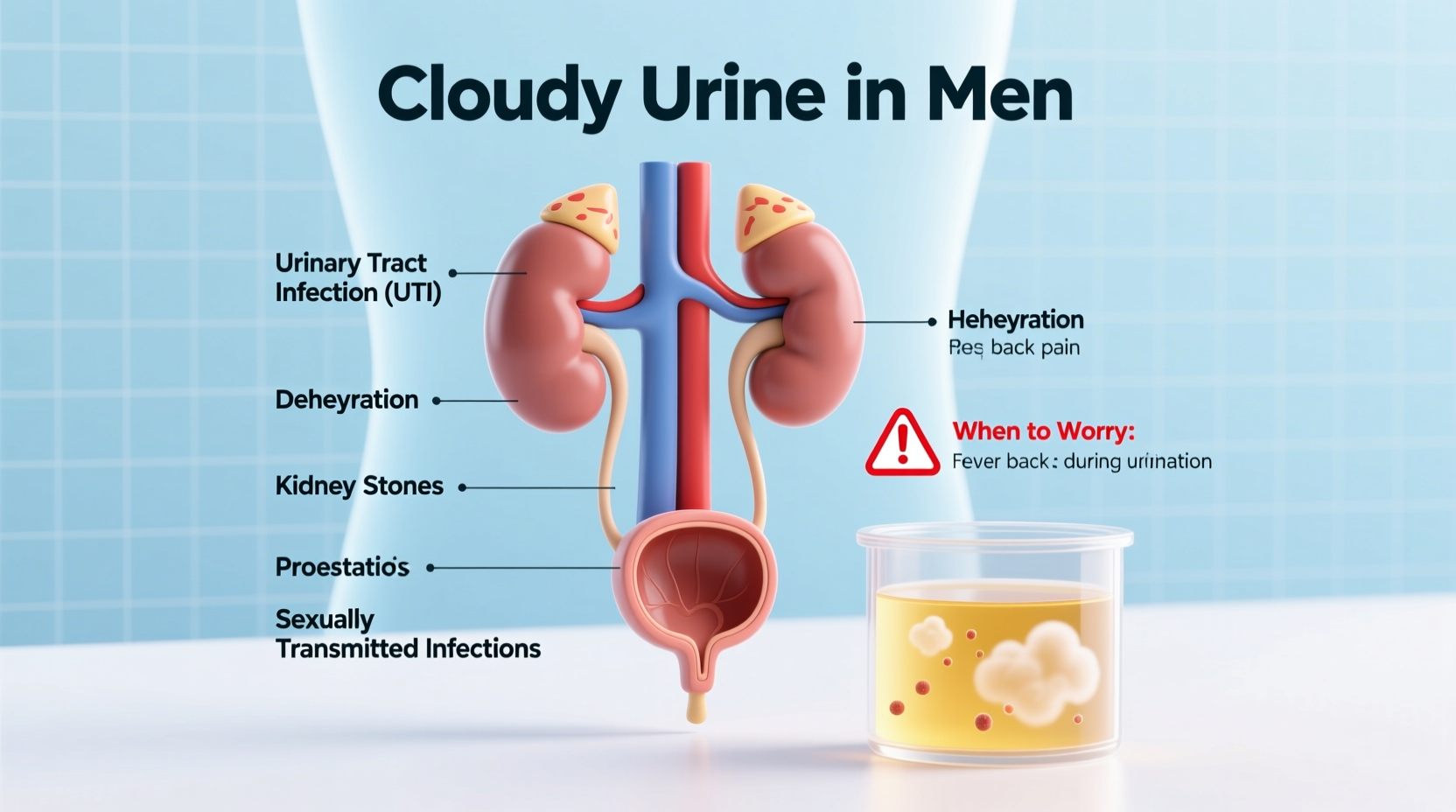
Urine normally ranges from pale yellow to amber, depending on hydration levels and dietary intake. Cloudiness occurs when particles such as white blood cells, bacteria, proteins, or crystals are suspended in the urine. In men, several factors can contribute to this change:
- Dehydration: Concentrated urine due to insufficient fluid intake can appear darker and cloudy.
- Dietary influences: Foods high in phosphates (like dairy or carbonated beverages) can cause temporary phosphate crystallization.
- Urinary tract infections (UTIs): Though less common in men than women, UTIs can still occur, especially with age or urinary retention.
- Prostatitis: Inflammation of the prostate gland often leads to cloudy or milky urine, particularly in younger to middle-aged men.
- Semen residue: Post-ejaculation urination may mix small amounts of semen into the urine stream, causing temporary cloudiness.
- Kidney stones: Crystals from stone formation can make urine appear cloudy and may be accompanied by pain.
- Sexually transmitted infections (STIs): Gonorrhea or chlamydia can cause urethral discharge that mixes with urine.
- Proteinuria: Excess protein in urine, sometimes linked to kidney disease, may create a frothy or cloudy appearance.
When Cloudy Urine Signals a Medical Problem
Not all instances of cloudy urine require immediate concern, but certain accompanying symptoms suggest a need for medical evaluation. Persistent cloudiness lasting more than 24–48 hours, especially when paired with other signs, should not be ignored.
Red flags include:
- Foul or strong-smelling urine
- Pain or burning during urination
- Frequent urge to urinate with little output
- Loin or lower abdominal pain
- Fever or chills
- Blood in urine (pink, red, or brownish tint)
- Swelling in legs or face (possible kidney involvement)
“Men who notice persistent changes in their urine—especially with pain or fever—should seek prompt evaluation. Early diagnosis of infections or kidney issues can prevent complications.” — Dr. Alan Reyes, Urologist, Cleveland Clinic
Common Conditions Linked to Cloudy Urine: A Closer Look
Prostatitis: A Leading Cause in Men Under 50
Inflammation of the prostate affects up to 10–15% of men at some point. It can be bacterial or non-bacterial. Symptoms often include cloudy urine, pelvic discomfort, painful ejaculation, and urinary urgency. Acute bacterial prostatitis requires antibiotics, while chronic forms may need longer-term management.
Urinary Tract Infections (UTIs)
While UTIs are more prevalent in women, men over 50 are at increased risk due to prostate enlargement obstructing urine flow. Bacteria like E. coli thrive in stagnant urine, leading to infection. Symptoms include urgency, dysuria, and cloudy or bloody urine.
Sexually Transmitted Infections
Gonorrhea and chlamydia can cause urethritis—irritation of the urethra—resulting in discharge that clouds the urine. These infections are often asymptomatic initially but can lead to infertility or chronic pain if untreated.
Kidney Stones and Crystalluria
Mineral and salt deposits form crystals that may clump into stones. As these pass through the urinary tract, they irritate tissues and shed debris into the urine. Cloudiness, severe flank pain, nausea, and hematuria are typical signs.
Proteinuria and Kidney Health
Persistent foamy or cloudy urine may indicate protein leakage from the kidneys. This can be an early marker of diabetic nephropathy, hypertension-related kidney damage, or glomerular disease.
| Condition | Key Symptoms | Diagnostic Test | Treatment Approach |
|---|---|---|---|
| Dehydration | Dark urine, thirst, fatigue | Clinical assessment | Increased fluid intake |
| UTI/Prostatitis | Burning urination, pelvic pain, fever | Urinalysis, urine culture, PSA test | Antibiotics, anti-inflammatories |
| STIs | Discharge, painless sores, genital itching | Nucleic acid amplification tests (NAAT) | Antibiotics (e.g., azithromycin, ceftriaxone) |
| Kidney Stones | Severe back pain, nausea, blood in urine | CT scan, ultrasound, urinalysis | Hydration, pain relief, lithotripsy if needed |
| Proteinuria | Foamy urine, swelling, fatigue | Urine dipstick, 24-hour protein test | Manage underlying condition (e.g., diabetes) |
Step-by-Step: What to Do If You Notice Cloudy Urine
If you observe cloudy urine, follow this practical timeline to determine whether self-care or medical intervention is needed:
- Day 1 – Hydrate and Observe: Increase water intake and avoid caffeine and alcohol. Check if clarity improves within 12–24 hours.
- Day 2 – Assess Symptoms: Note any pain, odor, frequency, or fever. Did you recently ejaculate? Could diet (e.g., high-dairy meals) play a role?
- Day 3 – Home Testing (Optional): Use an over-the-counter urine test strip to check for leukocytes, nitrites, or protein.
- Day 4 – Seek Medical Advice: If cloudiness persists or symptoms worsen, schedule a visit with your doctor. Bring a first-morning urine sample if possible.
- Follow-Up: Complete recommended tests (urinalysis, culture, STI screening) and adhere to treatment plans.
Real-Life Example: Recognizing Prostatitis Early
James, a 42-year-old office worker, noticed his morning urine had become consistently cloudy over three days. He also felt mild discomfort in his pelvis and a slight burning sensation when urinating. Initially dismissing it as stress or dehydration, he increased his water intake with no improvement. After reading about prostatitis online, he booked a urology appointment. A urinalysis revealed elevated white blood cells and bacteria. He was diagnosed with chronic bacterial prostatitis and prescribed a targeted antibiotic course. With treatment, his symptoms resolved within two weeks. His case highlights how timely recognition and professional evaluation prevent progression.
Frequently Asked Questions
Is cloudy urine always a sign of infection?
No. While infections are a common cause, temporary cloudiness can result from dehydration, diet, or residual semen. However, if it persists beyond a day or two without an obvious explanation, further investigation is warranted.
Can diabetes cause cloudy urine?
Yes. Uncontrolled diabetes can lead to glucose in the urine, promoting bacterial growth (increasing UTI risk), and may also cause proteinuria—all of which can make urine appear cloudy. Frequent urination and sweet-smelling urine are additional warning signs.
Should I see a doctor if my urine clears up on its own?
If the cloudiness resolves quickly and you have no other symptoms, medical care may not be necessary. However, recurrent episodes—even if self-limiting—deserve evaluation to rule out chronic conditions like low-grade infections or kidney issues.
Action Plan: Protecting Your Urinary Health
Maintaining clear, healthy urine involves consistent habits and awareness. Here’s a checklist to stay proactive:
- ✅ Drink at least 2–2.5 liters of water daily unless contraindicated
- ✅ Urinate regularly; don’t hold it for extended periods
- ✅ Practice safe sex and get routine STI screenings if sexually active
- ✅ Monitor changes in urine color, smell, and consistency
- ✅ Schedule annual physicals, including basic kidney function and prostate checks (especially over age 50)
- ✅ Limit intake of phosphate-rich processed foods and sodas
“Your urine is a window into your internal health. Paying attention to its appearance is one of the simplest yet most effective ways to catch problems early.” — Dr. Lena Patel, Nephrologist, Johns Hopkins Medicine
Final Thoughts: Don’t Ignore the Signs
Cloudy urine in men is often benign, but it can also be the first clue to infections, prostate issues, or kidney dysfunction. The key lies in context: Is it fleeting or persistent? Accompanied by pain, fever, or other symptoms? By staying informed and responsive, men can address minor issues before they escalate. Don’t downplay bodily signals—early action preserves health and prevents complications.




 浙公网安备
33010002000092号
浙公网安备
33010002000092号 浙B2-20120091-4
Comments
No comments yet. Why don't you start the discussion?