
When a recipe calls for cloves, many home cooks hesitate—this potent spice can dominate a dish if misused. Yet, when applied with precision, cloves elevate both savory and sweet preparations with their warm, pungent depth. Beyond the kitchen, cloves have long been valued in traditional medicine and aromatherapy for their antiseptic and analgesic properties. Understanding what cloves target—whether flavor profiles, health concerns, or preservation goals—is essential to using them effectively. This guide explores the full scope of clove applications, from culinary technique to holistic wellness, providing practical insight into one of the world’s oldest and most versatile spices.
Definition & Overview
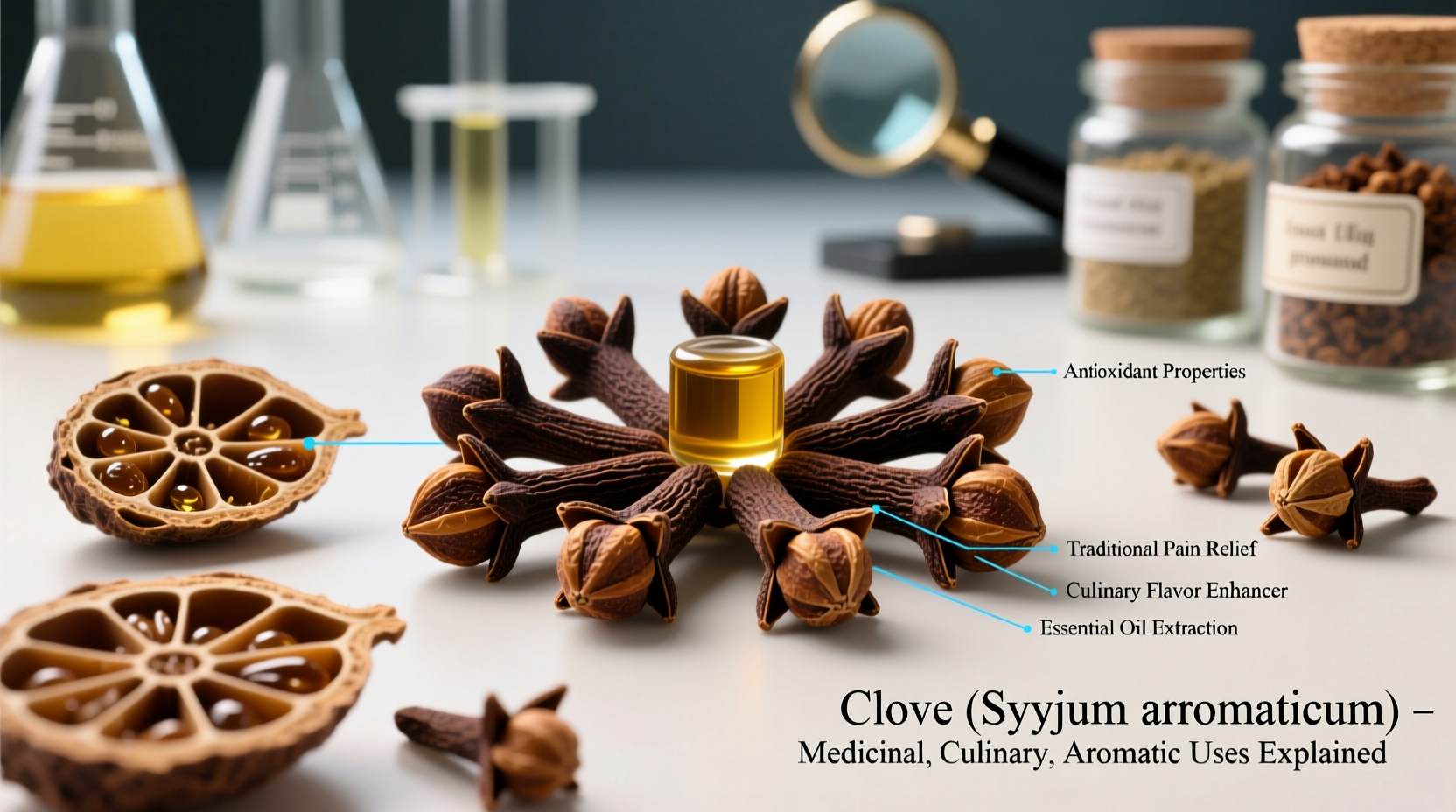
Cloves are the aromatic flower buds of Syzygium aromaticum, an evergreen tree native to the Maluku Islands in Indonesia. Harvested while still unopened and dried until they darken, cloves have been traded globally for over 2,000 years. They belong to the Myrtaceae family and rank among the most powerful spices by volume due to their high concentration of essential oils.
In culinary contexts, cloves function as a warming, slightly bitter spice that enhances complexity in spice blends, marinades, and baked goods. Their sharp, camphor-like aroma comes primarily from eugenol, which makes up 70–90% of clove oil. This compound also underpins many of their medicinal uses, including pain relief and antimicrobial action.
Globally, cloves are used in diverse traditions: in Indian garam masala, Middle Eastern rice dishes, Chinese five-spice powder, Indonesian kretek cigarettes, and even pickling solutions across Europe and North America. Whether used whole or ground, cloves are rarely the star but instead serve as a supporting note—precisely targeted to deepen flavor, preserve food, or address specific health needs.
Key Characteristics
| Attribute | Description |
|---|---|
| Flavor Profile | Warm, pungent, slightly sweet with a numbing heat; intense and lingering. |
| Aroma | Sharp, spicy, medicinal (due to high eugenol content); becomes sweeter when cooked. |
| Form | Whole buds (dark brown, nail-shaped) or ground powder. |
| Heat Level | Moderate to strong pungency; not chili-hot, but creates a warming sensation. |
| Culinary Function | Flavor enhancer, preservative, aromatic base in spice blends, meat rubs, and syrups. |
| Shelf Life | Whole cloves: 3–4 years; ground cloves: 6 months to 1 year (loses potency faster). |
| Active Compound | Eugenol (antimicrobial, analgesic), caryophyllene (anti-inflammatory). |
Practical Usage: How to Use Cloves in Cooking and Beyond
Cloves are best used sparingly. Their strength means even one extra bud can overpower a dish. In Western baking, cloves appear in pumpkin pie spice, gingerbread, and mulled wine. In savory applications, they're commonly paired with cinnamon, cardamom, and peppercorns in slow-cooked meats, stews, and rice dishes like biryani.
When using whole cloves, consider whether they will be removed before serving. For example:
- Onion studding: Push 4–6 cloves into a halved onion and simmer in soups or broths. Remove before serving.
- Pickling brines: Add 1–2 whole cloves per jar to enhance tang and inhibit microbial growth.
- Rice pilafs: Sauté 2–3 cloves in ghee before adding rice, then remove after cooking.
Ground cloves offer more uniform dispersion but lose aroma quickly. Use freshly ground cloves when possible, especially in baked goods where even distribution matters. A general ratio is:
Conversion Tip: 1 whole clove ≈ ⅛ teaspoon ground cloves. Adjust downward in sensitive recipes.
Professional kitchens often toast whole cloves lightly before grinding to mellow their sharpness. This technique works well when building spice bases for curries or rubs. Because cloves pair strongly with fat, they perform best in dishes containing butter, ghee, or oil, which help carry their volatile oils through the final product.
Pro Tip: Never add more than ½ teaspoon of ground cloves to a standard cake or batch of cookies unless balanced by other robust spices like nutmeg or allspice. Overuse results in a medicinal aftertaste.
Pairing Suggestions
Cloves work synergistically with certain ingredients:
- Fruits: Apples, pears, oranges (try clove-studded orange halves for natural air fresheners).
- Dairy: Cream-based desserts, eggnog, rice pudding.
- Meats: Ham, pork shoulder, duck, lamb.
- Spices: Cinnamon, nutmeg, allspice, star anise, black pepper.
- Liquids: Red wine, apple cider, balsamic vinegar, soy sauce.
One classic application is glazing a baked ham: score the surface, stud with whole cloves, and layer with brown sugar and pineapple rings. The cloves infuse the meat during roasting, contributing warmth without overwhelming sweetness.
Variants & Types
Cloves come in two primary forms, each suited to different purposes:
1. Whole Cloves
The most stable and widely recommended form. Whole cloves retain their essential oils longer and are ideal for infusion-based cooking (stocks, poaching liquids, mulled beverages). They allow precise control since they can be removed post-cooking.
2. Ground Cloves
Convenient for baking and spice mixes but degrade rapidly. Best purchased in small quantities and stored airtight. Ideal for quick incorporation into doughs, dry rubs, or commercial spice blends.
3. Clove Oil (Liquid Extract)
A concentrated form used primarily in dentistry and aromatherapy. Not typically used in cooking due to intensity. Must be diluted before topical use.
4. Clove Cigarettes (Kretek)
Popular in Indonesia, these contain tobacco blended with ground cloves. While culturally significant, they are not endorsed for health reasons due to increased respiratory risks.
| Type | Best For | Storage Duration | Notes |
|---|---|---|---|
| Whole Cloves | Braising, pickling, infusion | 3–4 years | Retains potency; removable after use |
| Ground Cloves | Baking, spice blends | 6–12 months | Loses aroma quickly; buy fresh |
| Clove Oil | Dental care, topical analgesia | 2–3 years (unopened) | Do not ingest; dilute before skin application |
| Kretek | Cultural use (not culinary) | N/A | Contains nicotine and irritants |
Comparison with Similar Ingredients
Cloves are often confused with other warm spices. Here’s how they differ:
| Spice | Flavor Comparison | Primary Use | Substitution Ratio |
|---|---|---|---|
| Allspice | Tastes like a blend of cloves, cinnamon, and nutmeg—but milder. | Jamaican jerk seasoning, stews, preserves | ¾ tsp allspice = ½ tsp cloves |
| Nutmeg | Sweeter, woodsy, less aggressive; no numbing effect. | Custards, mashed potatoes, béchamel | Not direct substitute; combine with cinnamon for balance |
| Star Anise | Licorice-forward; similar warmth but distinct profile. | Chinese five-spice, pho broth | 1 star anise = ¾ tsp ground cloves in some blends |
| Cinnamon | Softer, sweeter, less pungent. | Oatmeal, pastries, chai | Use together; never replace cloves entirely |
\"Cloves are the scalpel of the spice drawer—you don’t need much, but when you do, nothing else delivers that piercing warmth.\" — Chef Amira Hassan, Culinary Instructor at Le Cordon Bleu Jakarta
Practical Tips & FAQs
Q1: Can I substitute ground cloves for whole ones?
A1: Yes, but cautiously. Use ⅛ teaspoon ground per whole clove and taste frequently. Ground cloves distribute more evenly and cannot be removed, so adjust early in the cooking process.
Q2: Why do cloves numb the mouth?
A2: Eugenol acts as a mild local anesthetic. This property makes clove oil effective for temporary toothache relief, though it should not replace dental care.
Q3: Are cloves safe to consume daily?
A3: In culinary amounts, yes. However, excessive intake (more than 1–2 grams of clove oil per day) may cause liver toxicity, especially in children. Stick to food-safe levels.
Q4: What dishes benefit most from cloves?
A4: Slow-cooked dishes where flavors meld over time—such as beef stew, biryani, chutneys, spiced cider, and holiday hams—are ideal. Also excellent in fruit compotes and poached pears.
Q5: How should I store cloves?
A5: Keep whole cloves in an airtight glass jar, away from heat and sunlight. Ground cloves should be refrigerated after opening to extend shelf life. Label containers with purchase dates.
Q6: Can cloves preserve food naturally?
A6: Yes. Clove oil has documented antibacterial effects against pathogens like E. coli and Salmonella. Historically, cloves were added to meats and pickles not just for flavor but to delay spoilage. Modern research supports this use, though refrigeration remains essential.
DIY Clove Infusion: Create a simple syrup by simmering 1 cup water, 1 cup sugar, and 6 whole cloves for 10 minutes. Strain and cool. Use in cocktails, lemonade, or drizzle over pancakes.
Case Study: Cloves in Traditional Medicine
In Ayurvedic and Traditional Chinese Medicine (TCM), cloves (known as *ding xiang*) are prescribed for digestive issues, colds, and tooth pain. A 2020 clinical review published in the Journal of Ethnopharmacology analyzed 23 studies on clove extracts and found consistent evidence of antimicrobial, antioxidant, and anti-inflammatory activity. Dentists sometimes use eugenol-containing cement for temporary fillings, validating centuries of folk use.
However, self-treatment carries risks. One case report documented acute liver injury in a toddler given clove oil for teething pain. Always consult a healthcare provider before using cloves medicinally, especially in concentrated forms.
Summary & Key Takeaways
Cloves target multiple domains: flavor enhancement, food preservation, and symptom relief. Their unique chemical composition makes them irreplaceable in specific culinary and therapeutic roles. Mastery lies in restraint—using just enough to achieve depth without dominance.
- Cloves are powerful; use sparingly, especially in sweet dishes.
- Whole cloves are superior for infusions and removal after cooking.
- They pair best with fatty foods, fruits, and complementary spices like cinnamon and nutmeg.
- Never ingest clove oil undiluted; it is potent and potentially toxic.
- Store properly to maintain potency—whole cloves last years, ground only months.
- Respect traditional uses but verify safety with modern medical guidance.
Next time you reach for cloves, consider your target: Are you deepening a stew’s richness? Preserving a chutney? Easing a sore tooth? With intention and knowledge, this ancient bud becomes a precise tool in your culinary and wellness toolkit.




 浙公网安备
33010002000092号
浙公网安备
33010002000092号 浙B2-20120091-4
Comments
No comments yet. Why don't you start the discussion?