
Prednisone is a widely prescribed corticosteroid used to treat inflammation, autoimmune disorders, allergies, and certain cancers. Many people rely on it during flare-ups or acute conditions. At the same time, coffee remains a daily ritual for millions, valued for its energy-boosting effects. But what happens when these two intersect? Combining coffee and prednisone isn’t inherently dangerous, but it can amplify side effects and impact your well-being—especially if consumed without awareness.
Caffeine, the primary active compound in coffee, interacts with your central nervous system, metabolism, and stress hormones—all areas that prednisone also influences. Understanding how these two substances interact allows you to make informed decisions about timing, dosage, and personal tolerance. This guide breaks down the science, risks, practical strategies, and real-world considerations for safely managing both.
How Prednisone Works in the Body
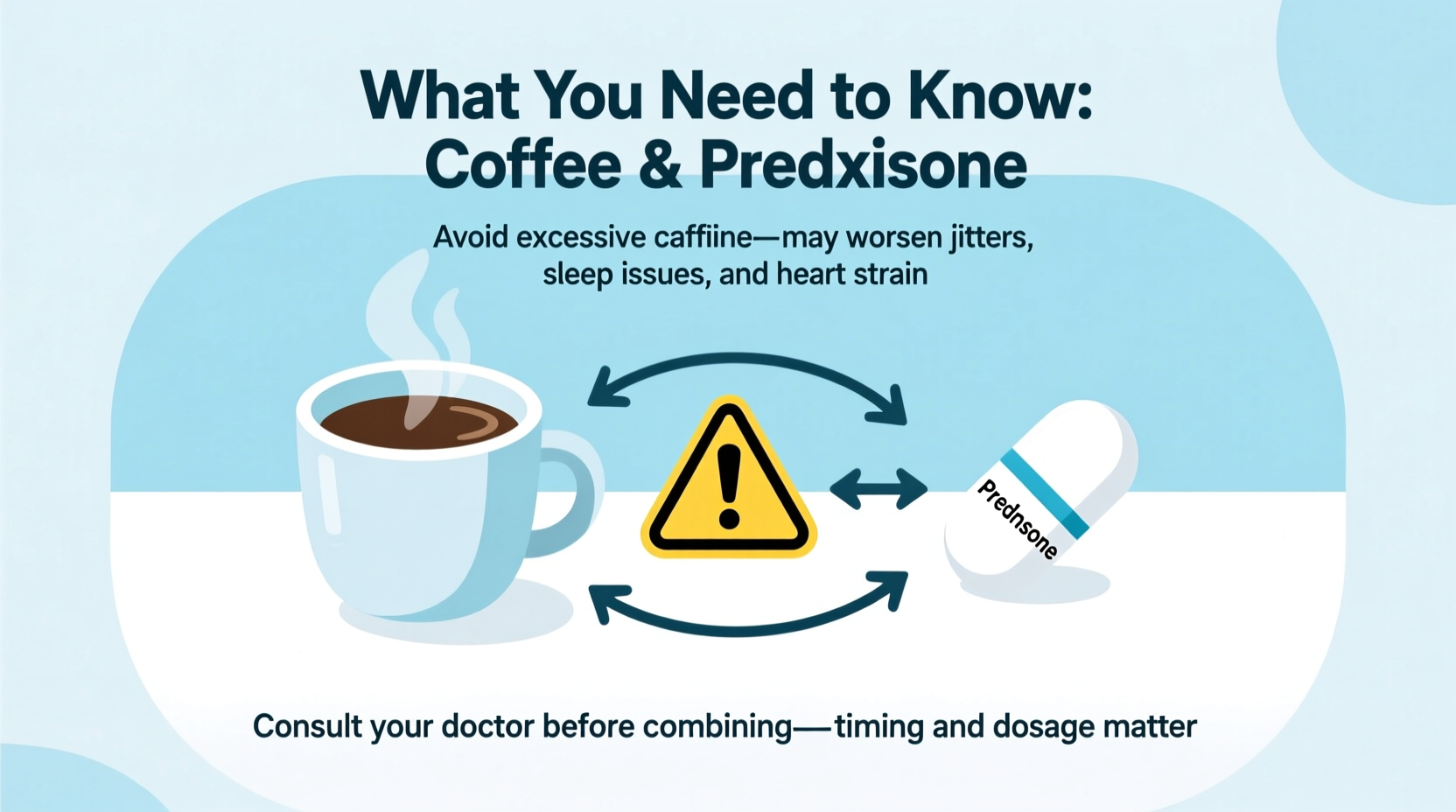
Prednisone is a synthetic glucocorticoid that mimics cortisol, a hormone naturally produced by the adrenal glands. It helps regulate immune response, inflammation, and metabolism. When prescribed, prednisone suppresses overactive immune reactions, making it effective for conditions like rheumatoid arthritis, asthma, lupus, and severe allergic reactions.
However, because it affects so many physiological systems, prednisone comes with a range of potential side effects, especially with prolonged use. These include:
- Increased blood sugar levels
- Mood swings or anxiety
- Insomnia or sleep disturbances
- Elevated blood pressure
- Fluid retention and increased appetite
- Stomach irritation or ulcers (especially when combined with NSAIDs)
These side effects are important to consider when adding another stimulant—like caffeine—into the mix.
The Caffeine Connection: How Coffee Influences Prednisone Effects
Coffee doesn’t directly interfere with prednisone’s mechanism of action, meaning it won’t reduce the drug’s effectiveness. However, caffeine can intensify several of prednisone’s most common side effects due to overlapping physiological impacts.
Both substances stimulate the central nervous system. Prednisone increases cortisol-like activity, which can make you feel jittery or anxious. Add coffee into the equation, and this stimulation compounds, potentially leading to:
- Heightened anxiety or restlessness
- Increased heart rate
- Difficulty falling asleep
- Worsening of existing hypertension
Additionally, both coffee and prednisone can raise blood glucose levels. For individuals with diabetes or insulin resistance, this dual effect may require closer monitoring of blood sugar during treatment.
“Patients on prednisone who are sensitive to stimulants should be cautious with caffeine. The combination can mimic symptoms of anxiety disorders or even trigger palpitations in susceptible individuals.” — Dr. Lena Torres, Internal Medicine Specialist
Timing and Dosage: Practical Strategies for Safe Use
You don’t necessarily have to give up coffee while taking prednisone—but smart timing and moderation are key. Consider the following step-by-step approach to minimize adverse interactions:
- Take prednisone early in the day. Most doctors recommend taking it in the morning with food to align with the body’s natural cortisol rhythm and reduce insomnia risk.
- Delay your first coffee by at least 1–2 hours after your dose. This prevents an immediate overlap of stimulatory effects.
- Limited intake: Stick to one 8–12 oz cup of coffee per day. Avoid second cups, energy drinks, or caffeine-heavy snacks.
- Avoid coffee late in the day. Even decaf contains trace amounts of caffeine and may disrupt sleep, which prednisone already tends to affect.
- Monitor your body’s signals. If you notice increased anxiety, tremors, or trouble sleeping, consider cutting back or switching to herbal tea.
Do’s and Don’ts When Combining Coffee and Prednisone
| Do’s | Don’ts |
|---|---|
| Drink coffee earlier in the morning | Consume coffee immediately after taking prednisone |
| Limit to one moderate cup per day | Drink multiple cups or high-caffeine beverages |
| Pair coffee with food to reduce stomach irritation | Drink coffee on an empty stomach while on prednisone |
| Stay hydrated with water throughout the day | Replace water intake with coffee (can worsen dehydration) |
| Track mood, sleep, and energy levels | Ignore signs of anxiety, palpitations, or insomnia |
Real-Life Example: Managing Prednisone and Coffee During a Flare-Up
Sarah, a 38-year-old teacher with ulcerative colitis, was prescribed a 10-day course of prednisone during a gastrointestinal flare-up. She typically drank two large coffees each morning to stay alert during school hours. Within two days of starting the medication, she began experiencing heart palpitations, restlessness, and difficulty sleeping despite feeling exhausted.
After consulting her pharmacist, Sarah realized her morning routine—taking prednisone with breakfast followed immediately by a large latte—was creating a cumulative stimulant load. She adjusted by switching her first coffee to 90 minutes after her pill, reducing her second cup to half-strength, and replacing the afternoon brew with ginger tea. Within 48 hours, her symptoms improved significantly, and she completed the course without further issues.
This case highlights how small adjustments can prevent unnecessary discomfort—even when both substances are medically acceptable.
Frequently Asked Questions
Can I drink decaf coffee while on prednisone?
Yes, decaf coffee is generally safe and a good alternative. While it contains minimal caffeine (typically 2–5 mg per cup vs. 80–100 mg in regular coffee), it avoids the stimulant effects that could worsen prednisone-related insomnia or anxiety.
Does coffee reduce the effectiveness of prednisone?
No, there is no evidence that coffee interferes with prednisone’s anti-inflammatory or immunosuppressive actions. The concern lies in symptom amplification, not reduced efficacy.
Is it safe to drink coffee if I’m on a short prednisone taper?
Short-term use (5–7 days) carries lower risk, but sensitivity varies. If you're prone to anxiety or sleep issues, even brief caffeine exposure can be problematic. Moderation is still advised.
Supportive Habits: What Else You Should Know
Beyond caffeine management, supporting your body during prednisone treatment involves broader lifestyle choices. Since both coffee and prednisone can contribute to bone loss, muscle weakness, and digestive upset over time, consider these additional steps:
- Boost potassium intake: Bananas, spinach, and sweet potatoes help counteract fluid retention and electrolyte imbalance.
- Choose low-glycemic foods: To manage blood sugar spikes, pair carbs with protein or healthy fats.
- Protect your stomach: Avoid alcohol, spicy foods, and excess caffeine, all of which increase ulcer risk when combined with steroids.
- Prioritize sleep hygiene: Dim lights early, avoid screens before bed, and keep a consistent bedtime to combat prednisone-induced insomnia.
Final Thoughts and Recommendations
Combining coffee and prednisone isn’t forbidden, but it requires mindfulness. The interaction isn’t pharmacological in the traditional sense—it’s physiological, rooted in how both substances affect your nervous system, metabolism, and emotional state. For some, one carefully timed cup poses no issue. For others, especially those with anxiety, heart conditions, or diabetes, even small amounts of caffeine may tip the balance toward discomfort.
Your best strategy is individualized: start conservative, observe your body’s response, and adjust accordingly. When in doubt, consult your healthcare provider or pharmacist—they can help assess your unique health profile and medication regimen.




 浙公网安备
33010002000092号
浙公网安备
33010002000092号 浙B2-20120091-4
Comments
No comments yet. Why don't you start the discussion?