
Coffee lovers seeking a smoother, less acidic alternative to hot-brewed coffee have increasingly turned to cold brew. But in recent years, a new contender has taken center stage: nitro cold brew. Served on tap with a cascading pour and a creamy head like a stout beer, nitro cold brew commands attention—and often, a higher price tag. At $0.50 to $2 more per cup than regular cold brew, many consumers wonder: is the upgrade worth it?
The answer isn’t just about taste. It involves understanding how each beverage is made, what sensory experience it delivers, and whether those differences justify the added expense. This article dives deep into the science, craftsmanship, and consumer experience behind cold brew and nitro cold brew to help you make an informed decision.
How Cold Brew Is Made
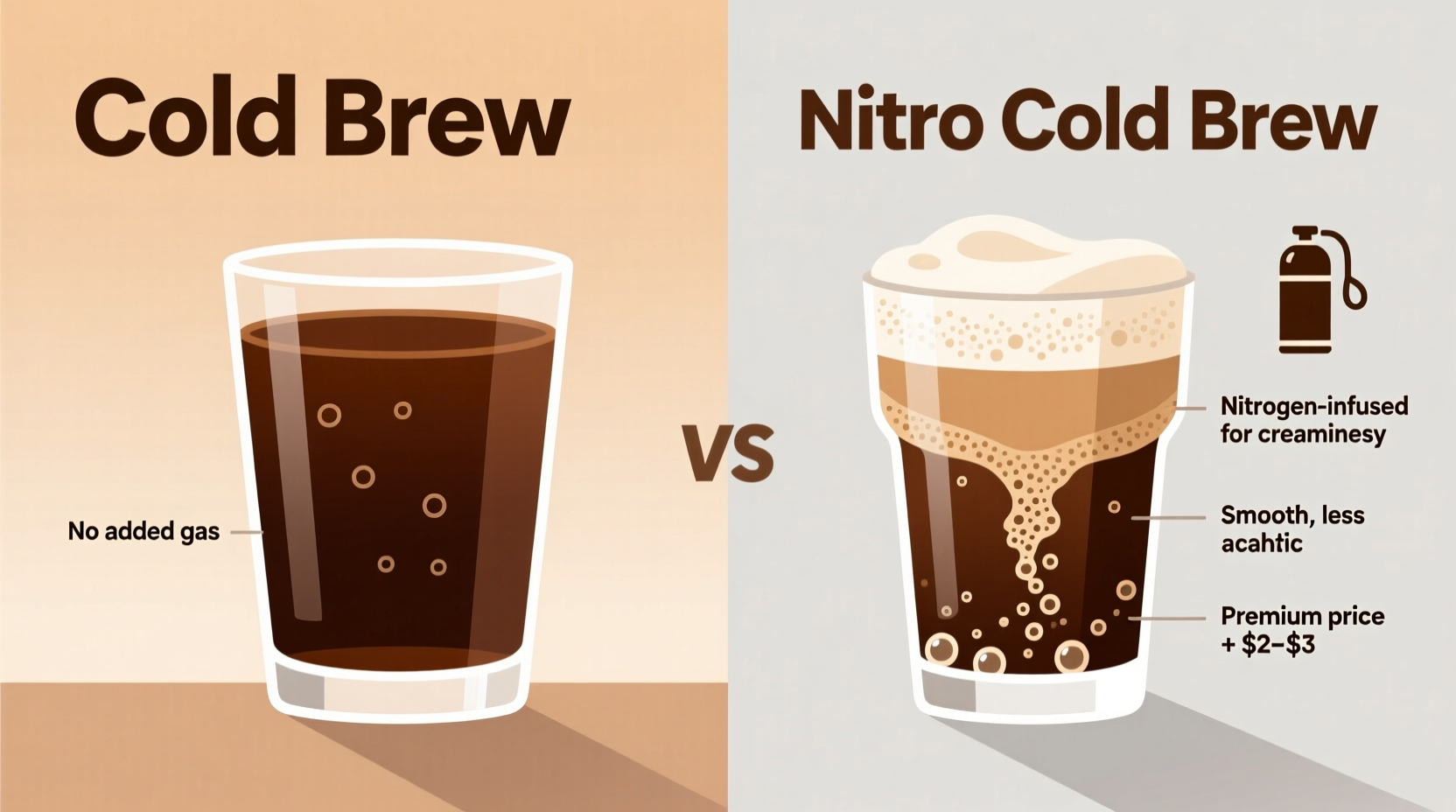
Cold brew coffee starts with coarsely ground beans steeped in room-temperature or cold water for 12 to 24 hours. Unlike traditional hot brewing, this slow extraction process minimizes the release of acids and bitter compounds, resulting in a naturally sweet, smooth concentrate. Once filtered, it’s typically diluted with water or milk and served over ice.
The extended steeping time allows for deeper flavor development without heat-induced bitterness. Because it’s brewed cold, cold brew contains slightly less caffeine than hot-brewed coffee by volume—but due to its concentrated nature, most servings end up with comparable or even higher caffeine levels.
The Science Behind Nitro Cold Brew
Nitro cold brew takes standard cold brew and infuses it with nitrogen gas under high pressure. This process usually occurs in a keg system equipped with a restrictor plate faucet that agitates the liquid as it pours, releasing tiny nitrogen bubbles. These microbubbles create a velvety mouthfeel and a frothy, Guinness-like head.
Nitrogen, unlike carbon dioxide, doesn’t dissolve easily in liquid. Instead, it forms fine, stable bubbles that give nitro cold brew its signature creamy texture—without adding milk or creamer. The nitrogen infusion also subtly alters the flavor profile, rounding out sharp edges and enhancing perceived sweetness, even though no sugar is added.
Because nitrogen is inert and doesn’t react with coffee compounds, it preserves freshness longer than oxygen exposure would. However, this benefit comes at a cost: specialized equipment (kegs, nitrogen tanks, and taps) is required both for production and service, contributing to the higher retail price.
“Nitrogen doesn’t just change texture—it changes perception. The creaminess tricks your palate into tasting richness, reducing the need for additives.” — Dr. Lena Torres, Sensory Scientist at the Institute of Food and Flavor Chemistry
Flavor, Texture, and Sensory Experience Compared
The most noticeable difference between cold brew and nitro lies in texture and presentation. While both are smooth and low in acidity, their sensory profiles diverge significantly:
- Texture: Regular cold brew feels thin and watery in comparison. Nitro is thick, silky, and coats the tongue.
- Aroma: Nitro suppresses volatile aromatics slightly due to nitrogen displacement, but enhances olfactory perception of roasted and chocolatey notes upon swallowing.
- Aftertaste: Nitro tends to leave a cleaner, rounder finish, while standard cold brew may have a sharper, lingering edge.
- Sweetness perception: Despite identical sugar content (zero), nitro tastes sweeter due to bubble-induced flavor modulation.
This sensory enhancement explains why many consumers describe nitro cold brew as “dessert-like” or “luxurious.” Baristas often note that customers who dislike black coffee will drink nitro straight—something rarely seen with regular cold brew.
Side-by-Side Comparison: Cold Brew vs Nitro Cold Brew
| Feature | Cold Brew | Nitro Cold Brew |
|---|---|---|
| Brew Time | 12–24 hours | 12–24 hours + nitrogen infusion |
| Caffeine (per 12 oz) | ~150–200 mg | ~150–200 mg |
| Mouthfeel | Smooth, light-bodied | Creamy, full-bodied, effervescent |
| Serving Method | Poured over ice | Drafted from tap with cascade effect |
| Acidity | Low (about 70% of hot brew) | Very low (slightly lower than cold brew) |
| Average Price (12 oz) | $3.50–$4.50 | $5.00–$6.50 |
| Additives Needed? | Often requires milk/sweetener | Rarely; enjoyable black |
Is the Extra Cost Justified?
To determine whether nitro cold brew is worth the premium, consider three key factors: value, accessibility, and personal preference.
Value: What You're Paying For
The markup on nitro cold brew isn't arbitrary. It reflects real operational costs:
- Equipment investment: A nitrogen tap system can cost $500–$2,000 for cafes.
- Gas and maintenance: Nitrogen tanks require regular refills and system checks.
- Labor and training: Staff must learn proper pouring techniques to achieve the desired cascade and head.
- Shelf life limitations: Once infused, nitro should be consumed within 2–3 days to maintain quality.
These overheads trickle down to the consumer. But beyond cost recovery, there's experiential value. Drinking nitro cold brew isn’t just about caffeine—it’s a multisensory ritual. The visual drama of the pour, the tactile creaminess, and the delayed aroma release elevate it beyond mere refreshment.
Accessibility and Convenience
While major chains like Starbucks and Dunkin’ offer nitro cold brew, independent cafes may not due to equipment constraints. Home brewing is possible with portable nitrogen chargers (like whipped cream dispensers with N₂O cartridges), but true nitrogen infusion requires special kits costing $80–$150.
In contrast, cold brew is easy to make at home with minimal gear—a French press or mason jar suffices. This DIY potential makes regular cold brew far more accessible and economical in the long run.
Personal Preference Matters Most
Some drinkers prefer the clean, straightforward profile of cold brew. Others crave the indulgence of nitro. If you typically add cream and sugar to your coffee, nitro might eliminate that need—effectively saving money on extras. Conversely, if you already enjoy black cold brew, the upgrade may feel unnecessary.
Mini Case Study: Sarah’s Switch to Nitro
Sarah, a 32-year-old marketing manager in Austin, used to order a vanilla sweet cream cold brew every morning—$5.25 per cup, totaling nearly $1,900 annually. After trying nitro cold brew during a café promotion, she found she enjoyed it black. Though nitro cost $5.75, she saved $0.50 per day by skipping the sweet cream add-on. More importantly, she reduced her daily sugar intake by 20 grams.
Over a year, Sarah saved $182.50 despite the higher base price. She also reported fewer afternoon energy crashes, attributing it to more stable blood sugar levels. For her, the extra cost was not only justified—it led to better health and financial outcomes.
Step-by-Step Guide: How to Evaluate Whether Nitro Is Worth It for You
- Track your current coffee spending: Note how much you spend daily on cold brew and any add-ons (milk, syrup, etc.).
- Try nitro cold brew once, black: Visit a café offering samples or small sizes to minimize cost.
- Assess your reaction: Do you miss cream or sugar? Does the texture satisfy you?
- Calculate adjusted costs: If you can skip additives, recalculate the effective price difference.
- Consider frequency: Will you drink it daily, weekly, or occasionally? High-frequency drinkers gain more cumulative value.
- Decide based on total value: Factor in taste, convenience, health impact, and enjoyment—not just price per ounce.
Frequently Asked Questions
Does nitro cold brew have more caffeine than regular cold brew?
No. Caffeine content depends on the coffee used and brew ratio, not nitrogen infusion. Most 12 oz servings contain 150–200 mg of caffeine in both versions.
Can I make nitro cold brew at home affordably?
Yes, but with caveats. Use a whipped cream dispenser with food-grade nitrogen chargers ($20–$30). Each charge costs about $0.50 and yields one 16 oz serving. Over time, this becomes cheaper than café prices but requires effort and planning.
Why does nitro cold brew taste sweeter if no sugar is added?
The ultra-fine nitrogen bubbles stimulate oral receptors associated with fat and creaminess, tricking your brain into perceiving sweetness. This phenomenon, known as “mouthfeel-mediated flavor enhancement,” is well-documented in sensory science.
Final Verdict: When the Premium Makes Sense
The extra cost of nitro cold brew is justified when it aligns with your preferences, habits, and lifestyle. If you value texture, enjoy black coffee, or currently rely on sugary enhancements, switching to nitro can improve your experience while potentially lowering net expenses. The sensory richness, reduced need for additives, and psychological satisfaction of a premium product contribute to its value proposition.
However, if you’re budget-conscious, prefer simplicity, or already enjoy your cold brew as-is, sticking with traditional cold brew remains a smart, satisfying choice. The key is awareness: knowing what you’re paying for and whether it delivers tangible benefits to your routine.
Ultimately, coffee is personal. The goal isn’t to chase trends but to find what fuels your day with pleasure and purpose. Whether you choose the quiet elegance of cold brew or the bold theater of nitro, make it intentional.




 浙公网安备
33010002000092号
浙公网安备
33010002000092号 浙B2-20120091-4
Comments
No comments yet. Why don't you start the discussion?