
The Black Labrador Retriever is one of the most beloved dog breeds in the world—intelligent, loyal, and full of energy. Whether your Lab spends days hiking through forests or lounging at home, a well-fitting, high-quality collar is essential for both safety and comfort. But with so many options available, from nylon to leather to smart collars, how do you know which one truly fits perfectly? The answer lies not just in material or style, but in precise measurement, breed-specific needs, and long-term usability.
A poorly fitted collar can lead to chafing, restricted movement, or even escape during walks. On the other hand, the right collar supports identification, enhances training, and complements your dog’s active lifestyle. This guide breaks down everything you need to know about selecting a collar that fits perfectly and functions flawlessly for your Black Lab.
Understanding Your Black Lab’s Neck Anatomy
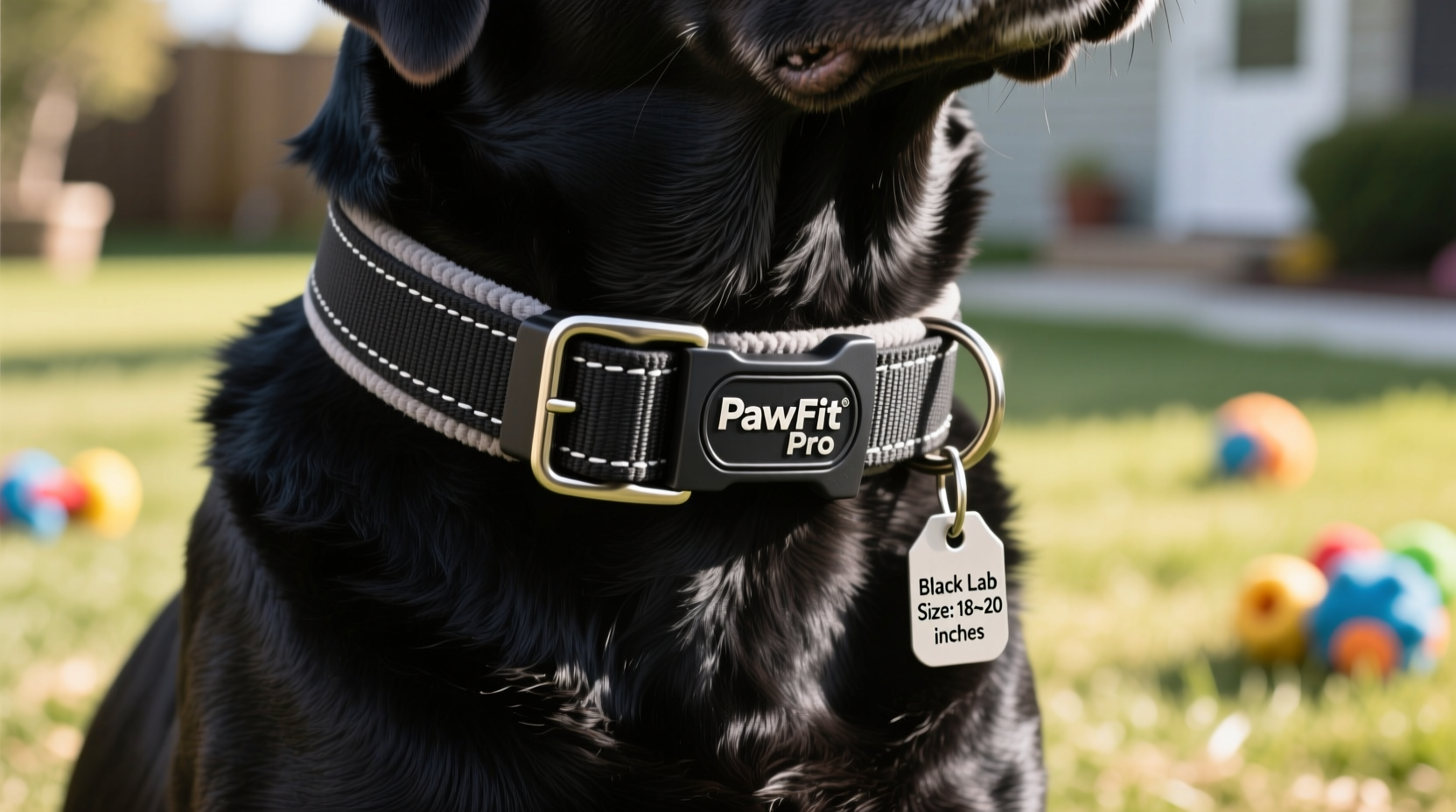
Black Labs are medium to large dogs with broad necks and muscular builds. Adult males typically weigh between 65–80 pounds, while females range from 55–70 pounds. Their necks are thick and strong, often measuring between 16 to 22 inches in circumference. However, neck size doesn’t always correlate directly with weight—some athletic Labs have leaner frames, while others may carry more muscle or fat.
Because of their double coat—dense undercoat and water-resistant topcoat—there’s also a tendency for moisture and heat buildup under collars, especially after swimming or heavy exercise. This makes breathability and material choice critical. A collar that works for a Greyhound might pinch or irritate a Lab due to differences in skin sensitivity and coat density.
How to Measure for a Perfect Fit
Finding a collar that fits perfectly starts with accurate measurement. Too tight, and it restricts breathing or causes sores; too loose, and the dog can slip out or catch a paw.
- Use a flexible measuring tape around the middle of your dog’s neck, where the collar normally sits.
- Ensure two fingers can fit comfortably between the tape and the skin—this is the gold standard for fit.
- Check multiple times, especially in puppies up to 12 months old, as their necks grow rapidly.
- Consider the collar type: Martingale collars should be sized snugly when tightened, while everyday flat collars allow for slight adjustment.
If you don’t have a measuring tape, use a piece of string, mark the length, then measure it against a ruler. Always refer to the manufacturer’s size chart before purchasing, as brands vary significantly.
Best Collar Materials for Black Labs
Given their love for water, mud, and outdoor adventures, Black Labs benefit from durable, quick-drying materials. Here’s a breakdown of the most common options:
| Material | Pros | Cons | Best For |
|---|---|---|---|
| Nylon Webbing | Durable, water-resistant, affordable, wide variety of colors | Can retain odor, may fray over time | Daily wear, training, budget-conscious owners |
| Paracord | Extremely strong, floats in water, stylish braided look | Thicker profile, may be too bulky for small-necked dogs | Active dogs, outdoor enthusiasts |
| Leather | Comfortable, molds to shape, classic appearance | Requires maintenance, absorbs water, not ideal for swimmers | Show dogs, formal settings, dry-climate owners |
| Neoprene | Soft, padded, waterproof, hypoallergenic | Limited durability over rough terrain | Dogs with sensitive skin or allergies |
| Chain (Martingale) | Prevents slipping, excellent for escape artists | Noisy, can pull hair, requires proper fit | Dogs prone to backing out of collars |
For most Black Lab owners, a high-quality nylon or paracord collar strikes the best balance between performance, cost, and ease of care.
Expert Insight: What Veterinarians Recommend
“Many skin issues we see in Labs stem from ill-fitting or non-breathable collars. I recommend adjustable, lightweight designs made from antimicrobial-treated fabrics, especially for dogs that swim frequently.” — Dr. Alicia Nguyen, DVM, Canine Dermatology Specialist
Dr. Nguyen emphasizes that constant exposure to wet collars increases the risk of bacterial or fungal infections under the neck fur. She advises drying the collar thoroughly after each swim and rotating between two collars to allow proper airing.
Real Example: Max the Escape Artist
Max, a 2-year-old Black Lab from Portland, had a habit of slipping out of his collar during off-leash hikes. His owner assumed he needed a tighter fit, but repeated rubbing caused raw patches behind his ears. After consulting a trainer, they switched to a martingale collar sized correctly for his neck. The limited-slip design tightened slightly when he pulled but never choked him. Within weeks, the sores healed, and Max stopped escaping. The key wasn’t a tighter fit—it was the right mechanism.
This case highlights a common misconception: tightening a collar isn’t the solution to escape. Instead, choosing a collar designed to prevent slippage without compromising comfort is far more effective.
Step-by-Step Guide to Choosing the Best Collar
- Evaluate your dog’s lifestyle: Does he swim daily? Pull on leash? Attend training classes?
- Measure the neck accurately using the two-finger rule.
- Select a material suited to your climate and activity level.
- Choose hardware—nickel-plated vs. stainless steel buckles and D-rings. Stainless resists rust better near saltwater.
- Try the collar on and adjust it so only two fingers fit beneath.
- Monitor for irritation during the first few days, especially under the ears and behind the shoulders.
- Wash regularly with mild soap and air dry—avoid machine washing unless specified by the manufacturer.
Essential Checklist Before Buying
- ✅ Measured neck at the thickest point
- ✅ Confirmed two-finger space when fastened
- ✅ Chosen material resistant to water and odor
- ✅ Verified breakaway or safety features if needed
- ✅ Included ID tags or plan to attach them
- ✅ Checked for reflective stitching if walking at night
- ✅ Read return policy in case of fit issues
Frequently Asked Questions
How tight should a collar be on a Black Lab?
A collar should be snug enough to stay in place but loose enough to fit two fingers between the collar and your dog’s neck. If you see bulging skin or your Lab scratches at it constantly, it’s too tight.
Can I use a puppy collar for my adult Lab?
Puppy collars are usually narrower and shorter. While fine for young dogs, they won’t accommodate an adult Lab’s neck girth and strength. Upgrade to a wider, sturdier collar (at least 1 inch wide) by 6–8 months of age.
Are smart collars worth it for Black Labs?
GPS-enabled or health-tracking collars can be valuable for off-leash adventures or monitoring activity levels. However, ensure the device is waterproof and doesn’t add excessive weight. Pair it with a separate, comfortable nylon collar rather than relying solely on the smart band.
Final Thoughts: Prioritize Fit, Function, and Comfort
Finding collars that fit perfectly isn’t about picking the most expensive or stylish option—it’s about matching the collar to your Black Lab’s body, behavior, and daily routine. A well-chosen collar supports identification, training, and safety without causing discomfort. Whether you opt for rugged paracord, dependable nylon, or a secure martingale, the perfect fit ensures your dog stays protected and happy on every adventure.




 浙公网安备
33010002000092号
浙公网安备
33010002000092号 浙B2-20120091-4
Comments
No comments yet. Why don't you start the discussion?