
Ballet style mary jane shoes are timeless—elegant, versatile, and effortlessly chic. Whether paired with dresses, jeans, or office wear, they elevate any outfit. But like many beautiful things, they come with a caveat: discomfort during the break-in period. Stiff soles, snug straps, and tight toe boxes can turn your dream shoes into foot torture if not handled correctly.
The good news? You don’t have to choose between comfort and style. With the right approach, you can mold these shoes to your feet without blisters, creases, or surrendering your fashion sense. This guide walks you through a proven method to break in your mary janes gently, effectively, and stylishly—so you can wear them all day, not just for photos.
Why Breaking In Mary Janes Matters
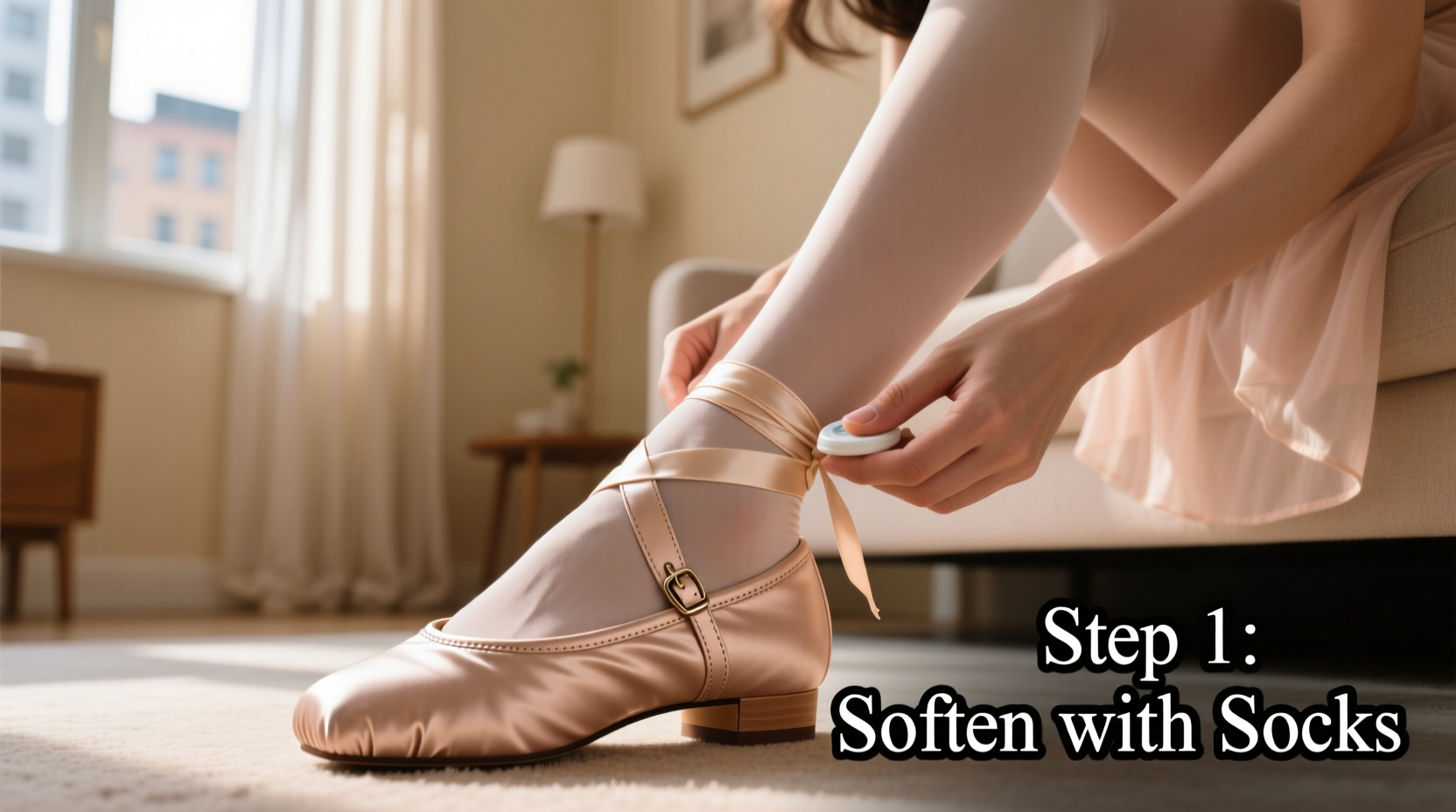
Mary jane shoes, especially those with a structured leather upper and low heel, often feel rigid when new. The closure strap, designed for a secure fit, may pinch across the instep. The rounded toe box might compress your toes if it hasn’t yet adapted to your foot’s shape. Unlike sneakers, which flex naturally, mary janes require intentional conditioning to become comfortable.
Skipping the break-in process risks more than sore feet—it can lead to blisters, calluses, and even long-term gait issues from altering your stride to compensate for pain. Properly broken-in shoes conform to your foot’s unique contours, distributing pressure evenly and enhancing both comfort and longevity.
“Shoes should serve the feet, not the other way around. A well-broken-in pair of mary janes feels like an extension of your body.” — Lena Peterson, Podiatrist & Footwear Consultant
Step-by-Step Guide to Breaking In Your Mary Janes
Follow this seven-day timeline to condition your shoes gradually and safely. This method minimizes discomfort while maximizing structural adaptation.
- Day 1–2: Indoor Wear (No Socks)
Wear your mary janes at home for 1–2 hours daily. Walk on carpeted floors to test fit and identify pressure points. Focus on bending your foot naturally—standing, squatting, walking—to help the sole flex. - Day 3–4: Add Thin Socks & Use Shoe Stretchers
Insert adjustable shoe stretchers overnight to gently expand tight areas. During the day, wear thin cotton socks and increase indoor wear to 3–4 hours. Pay attention to how the strap feels across the instep. - Day 5: Targeted Softening
Apply a leather conditioner to stiff areas (especially around the toe box and strap edges). Let absorb for 20 minutes, then wear the shoes with socks for another 2 hours. Avoid over-saturating the leather. - Day 6: Short Outdoor Test
Take a 20–30 minute walk outside on flat pavement. Carry blister pads in case of friction. Note any hot spots or slippage. - Day 7: Full Integration
If no major discomfort occurs, wear the shoes for a full day with your usual outfits. Continue using protective measures as needed.
Do’s and Don’ts When Breaking In Mary Janes
| Do’s | Don’ts |
|---|---|
| Use a leather conditioner on dry, stiff areas | Soak shoes in water to soften them |
| Wear moisture-wicking socks to reduce friction | Wear brand-new mary janes for a full workday immediately |
| Store with shoe trees to maintain shape | Leave shoes in direct sunlight or near heaters |
| Address blisters early with gel pads | Ignore persistent pain—it’s not normal |
| Stretch the strap slightly with a hairdryer on low heat | Use sharp objects to pry open tight spots |
Real-Life Example: Sarah’s Office Commute Transformation
Sarah, a graphic designer in Portland, bought a pair of cherry-red mary janes for client meetings. On day one, she wore them to work—and regretted it within an hour. By noon, blisters formed on her heels, and the strap dug into her arch.
She followed the step-by-step method outlined above. After two days of indoor wear and using cedar shoe stretchers, she noticed the strap had loosened slightly. On day five, she applied a lanolin-based conditioner and walked to a nearby café. No blisters. By day seven, she wore them through a full 10-hour day—including a post-work gallery opening.
“They’re still my favorite pair,” she says. “Now they look lived-in in the best way—like they were made just for me.”
Essential Tools for a Smoother Break-In
You don’t need expensive gear, but a few smart tools make a noticeable difference:
- Adjustable shoe stretchers: Ideal for widening the toe box or stretching the instep area.
- Leather conditioner: Keeps material supple and prevents cracking.
- Gel heel protectors: Prevent friction while maintaining a clean silhouette.
- Thin, seamless socks: Reduce abrasion without adding bulk.
- Hairdryer (low heat): Temporarily softens tight spots when worn with socks.
Frequently Asked Questions
How long does it take to break in ballet-style mary janes?
Most people find their mary janes comfortable after 5–7 days of gradual wear. Full adaptation may take up to two weeks, depending on leather thickness and foot shape. Some high-quality leathers continue molding subtly over months.
Can I speed up the break-in process?
You can accelerate it slightly using heat and moisture techniques, but aggressive methods risk damaging the shoe’s structure or finish. Slow and steady preserves both comfort and aesthetics.
What if the strap is still too tight after breaking in?
If the strap remains uncomfortable, consider visiting a cobbler. Many can professionally adjust the strap length or replace it with a cushioned version. Alternatively, swap the buckle for a softer elastic insert.
Checklist: Your Mary Jane Break-In Roadmap
- Inspect shoes for stiffness and fit before wearing
- Gather tools: shoe stretchers, conditioner, thin socks, blister pads
- Wear indoors for 1–2 hours daily (Days 1–2)
- Insert shoe stretchers overnight
- Apply leather conditioner to dry areas
- Test outdoors for short durations (Day 6)
- Monitor for pain, not just discomfort—stop if something feels wrong
- Gradually increase wear time over a week
- Store properly when not in use
- Enjoy fully broken-in, stylish mary janes by Day 7–10
“Comfort isn’t sacrificed for style—it’s part of it. A shoe that hurts is never truly stylish.” — Diego Morales, Shoemaker & Designer, Atelier Solecraft
Final Thoughts: Style That Moves With You
Breaking in ballet-style mary jane shoes doesn’t have to be a rite of passage marked by pain. With patience and the right techniques, you can transform a stiff new pair into a trusted companion for your everyday wardrobe. The elegance of a mary jane lies not just in its appearance, but in how it moves with you—light, confident, and free from compromise.
Start today. Slip them on at home, treat the leather kindly, and let time do the work. Soon, you won’t just be wearing your mary janes—you’ll be living in them.




 浙公网安备
33010002000092号
浙公网安备
33010002000092号 浙B2-20120091-4
Comments
No comments yet. Why don't you start the discussion?