
For individuals with larger body types, finding a couch that balances comfort, durability, and long-term support is more than a matter of preference—it’s a necessity. Many standard sofas are built with weight limits and frame constructions that fail under consistent use by heavier individuals, leading to sagging cushions, broken springs, or even structural collapse within months. A well-chosen couch should offer deep seating, reinforced frames, high-density foam, and a weight capacity that exceeds typical standards. This guide explores the essential features to look for, reviews top-performing models, and provides actionable advice to ensure your next sofa supports you for years.
Key Features of a Supportive, Heavy-Duty Couch
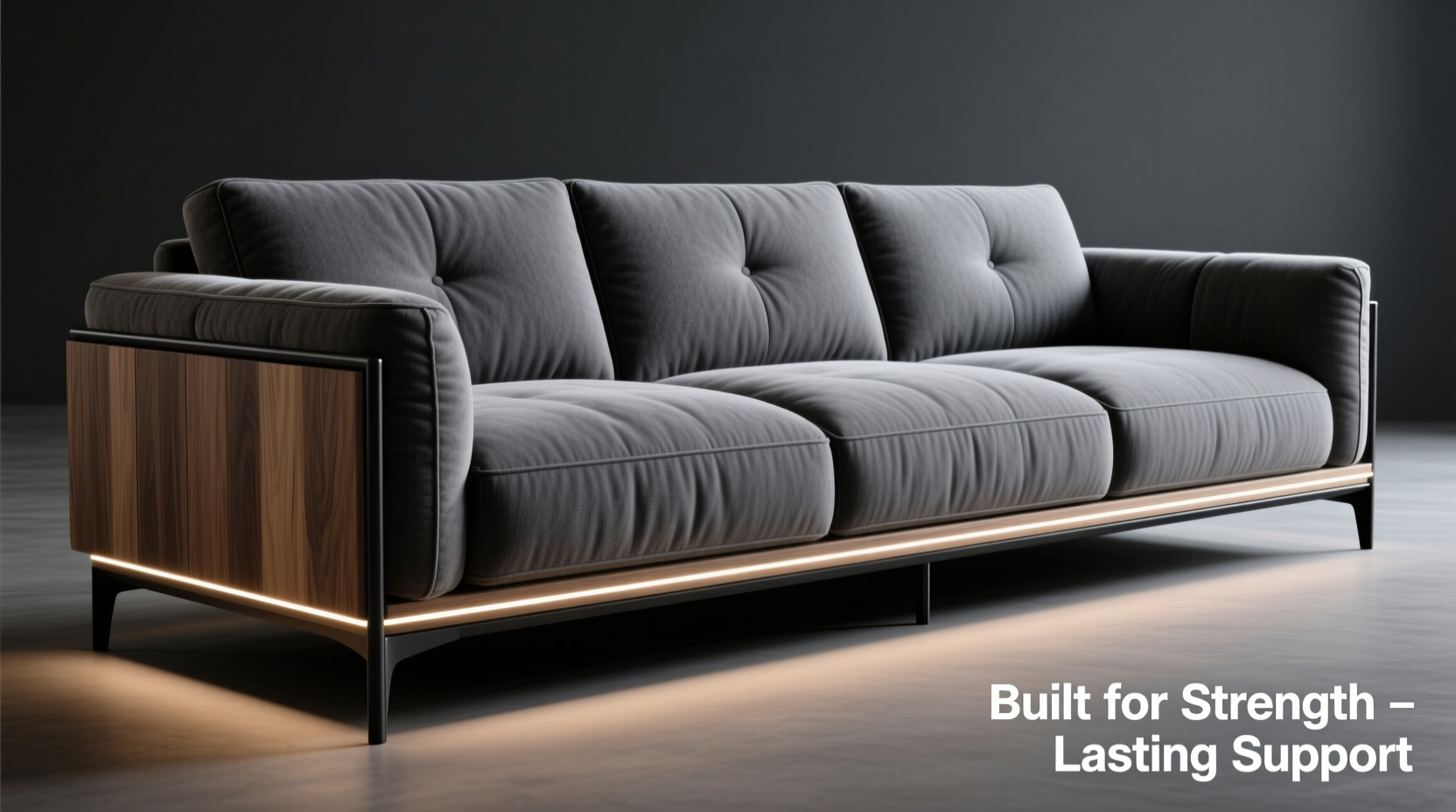
Not all couches are created equal—especially when it comes to accommodating heavier users. To avoid premature wear and discomfort, prioritize these construction elements:
- Weight Capacity: Look for sofas rated for at least 500–750 pounds per seat. Some premium models exceed 1,000 pounds.
- Frame Material: Solid hardwood (like kiln-dried oak or maple) is ideal. Avoid particleboard, fiberboard, or plastic components in load-bearing areas.
- Suspension System: Eight-way hand-tied springs or high-tensile sinuous steel coils provide superior support over basic webbing or foam-only bases.
- Cushion Density: Seat cushions should be made from high-resilience (HR) foam with a density of 2.5 lbs/ft³ or higher. For added comfort, consider layered foam with a pocketed coil or gel-infused top layer.
- Seat Depth: Deeper seats (22–24 inches) allow better leg support and reclining comfort without compromising back alignment.
- Leg Stability: Reinforced legs or a platform base eliminate wobbling and distribute weight evenly.
Top Couch Models Built for Durability and Comfort
Several brands specialize in heavy-duty furniture designed for both strength and comfort. Below are five highly rated options known for their performance among heavier users.
| Model | Weight Capacity | Frame Type | Cushion Type | Price Range |
|---|---|---|---|---|
| Sherrill Furniture – Big & Tall Sofa | 1,000+ lbs total | Kiln-dried hardwood | High-resilience foam + coil support | $1,800–$2,500 |
| King Living – Maxi King Sofa | 800 lbs per seat | Hardwood + steel reinforcement | Dual-zone HR foam with lumbar support | $3,200–$4,000 |
| La-Z-Boy – Palliser Collection | 600 lbs per seat | Hardwood frame with corner blocking | Thick foam with fiber wrap | $1,600–$2,800 |
| Flexsteel – Dempsey Collection | 500–700 lbs per seat | Steel-reinforced hardwood | Blue Steel Spring™ suspension + foam | $1,400–$2,200 |
| Big Lots – Noble House Collection | 400–500 lbs per seat | Engineered wood with metal brackets | Dense poly-foam | $600–$1,000 |
The Sherrill and King Living models stand out for their exceptional weight tolerance and commercial-grade construction, often used in medical facilities and bariatric care settings. La-Z-Boy and Flexsteel offer a balance of affordability and proven durability, while Big Lots provides budget-conscious buyers with surprisingly robust entry-level options.
“Furniture designed for heavier individuals isn’t just about size—it’s about engineering. The best models combine structural integrity with ergonomic design to prevent long-term strain.” — Dr. Marcus Tran, Ergonomics Consultant and Physical Therapist
How to Test a Couch Before Buying
Purchasing a sofa sight-unseen can be risky, especially when durability is critical. Whether shopping in-store or online, follow this step-by-step evaluation process:
- Inspect the Frame: Lift one end of the sofa. It should feel heavy and solid—not light or hollow. Ask if the frame uses corner blocks or double dowels for joint reinforcement.
- Press Down on the Seat: Sit or apply firm pressure. High-quality cushions will compress evenly and spring back quickly. If they bottom out easily, they’ll likely sag over time.
- Check Underneath: Flip up the seat cushion. You should see springs or sinuous coils, not just foam on plywood. Webbing alone is insufficient for long-term support.
- Examine Stitching and Joints: Look for tight, even stitching and no gaps between sections. Loose joints indicate poor assembly.
- Review Warranty Terms: Reputable brands offer 5–10 year warranties on frames and suspension systems. Shorter coverage may signal lower confidence in longevity.
Real-Life Experience: Finding a Sofa That Lasts
James R., a 350-pound retiree from Indiana, had gone through three sofas in six years before discovering Sherrill Furniture. “The first two were from big-box stores,” he said. “One started creaking after four months. Another lost its cushion shape by month nine. I finally invested in a Sherrill Big & Tall model—and it’s been four years with zero issues. The seat doesn’t sag, the arms are solid, and I can actually relax without feeling like I’m going to break something.”
His experience highlights a common pattern: short-term savings often lead to higher long-term costs due to frequent replacements. Investing in a well-built couch pays off in comfort, safety, and reduced replacement frequency.
Buying Checklist: What to Verify Before Purchase
Use this checklist to ensure your next sofa meets the needs of heavier users:
- ✅ Weight capacity clearly stated (minimum 500 lbs per seat)
- ✅ Frame made of solid hardwood or reinforced composite
- ✅ Suspension system includes springs or steel coils
- ✅ Cushions use high-density foam (≥2.5 lb/ft³)
- ✅ Seat depth is 22 inches or more
- ✅ Manufacturer offers a warranty of 5+ years on frame and suspension
- ✅ Return policy allows full refund or exchange if unsatisfied
- ✅ Legs or base are non-slip and securely attached
Frequently Asked Questions
Can a regular sofa safely support someone over 300 pounds?
Many standard sofas are rated for 250–300 pounds per seat. Exceeding this limit regularly increases the risk of frame failure, cushion deformation, or joint separation. For consistent use by someone over 300 pounds, opt for a heavy-duty model specifically engineered for higher loads.
Are leather sofas stronger than fabric ones?
Material doesn’t determine strength—the internal frame and suspension do. However, top-grain leather tends to be more durable and easier to clean than many fabrics. Choose upholstery based on lifestyle needs, but prioritize build quality over fabric type.
How long should a heavy-duty couch last?
A well-constructed, high-capacity sofa should last 10–15 years with daily use. Factors like maintenance, exposure to sunlight, and frequency of use affect lifespan. Regularly rotating cushions and avoiding jumping or standing on the seat extends longevity.
Final Thoughts: Invest in Support, Not Just Seating
A couch is more than a piece of living room decor—it’s a place of rest, recovery, and connection. For heavier individuals, the right sofa can mean the difference between chronic discomfort and daily relief. By focusing on proven construction standards, trusted brands, and real-world performance, you can find a seating solution that’s not only strong enough but also genuinely comfortable for years to come.




 浙公网安备
33010002000092号
浙公网安备
33010002000092号 浙B2-20120091-4
Comments
No comments yet. Why don't you start the discussion?