
Chronic back pain affects millions of people worldwide, often disrupting sleep, work, and daily comfort. While medical treatments are essential, one of the most effective lifestyle adjustments is investing in proper seating—specifically, a recliner designed to support spinal alignment and reduce pressure on sensitive areas. Not all recliners are created equal; many prioritize style over function. The right model, however, can offer targeted lumbar support, adjustable positioning, and pressure-relieving cushioning that make a tangible difference in pain management.
This guide explores the key features of recliners that genuinely help with back pain, highlights top design elements backed by physical therapists, and provides actionable advice for choosing a chair that supports long-term spinal health.
Why Recliners Matter for Back Pain Relief
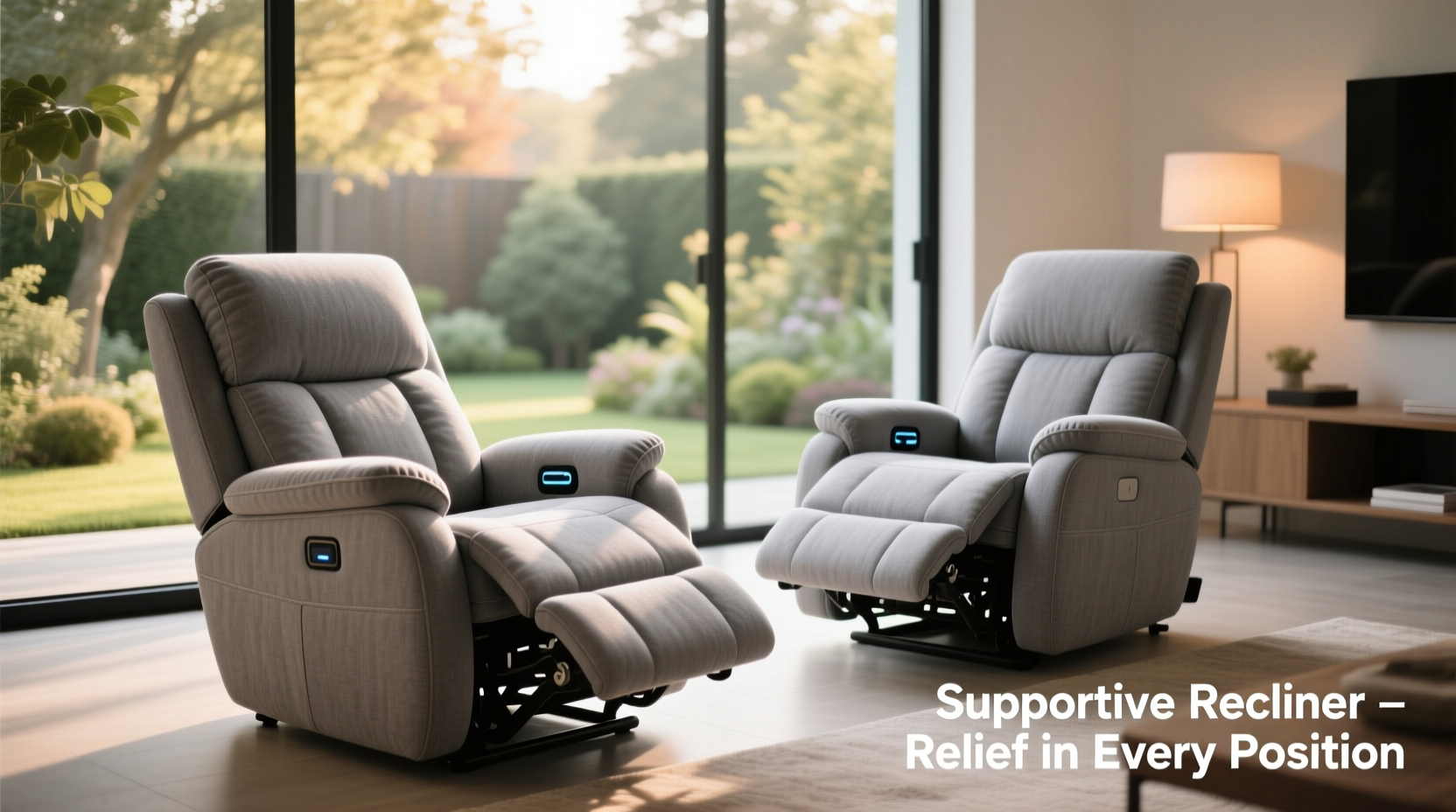
Sitting for prolonged periods in poorly designed chairs exacerbates lower back strain, especially when the spine lacks natural curvature support. A well-designed recliner redistributes body weight, reduces disc pressure, and encourages a neutral spine position. When properly adjusted, recliners can mimic the \"zero-gravity\" posture recommended by spine specialists—where legs are elevated slightly above the heart level, minimizing gravitational pull on the vertebrae.
According to Dr. Alan Weiss, a board-certified orthopedic specialist, “The ideal sitting posture isn’t upright—it’s reclined between 110° and 135°. At this angle, intervertebral disc pressure drops significantly compared to standard 90° sitting.” This biomechanical advantage makes recliners not just a luxury, but a therapeutic tool when chosen wisely.
Key Features of Supportive Recliners for Back Pain
When evaluating recliners for back pain, focus on structural and ergonomic qualities rather than aesthetics alone. Here are the critical components to assess:
- Lumbar Support: Built-in or adjustable lumbar cushions maintain the natural inward curve of the lower spine. Memory foam or gel-infused padding conforms to individual contours.
- Seat Depth and Width: The seat should allow 2–4 inches between the edge of the chair and the back of your knees. Too shallow, and your thighs won’t be fully supported; too deep, and you may slide forward, straining your lower back.
- Recline Mechanism: Smooth, multi-position reclining (especially infinite positions) lets users find the exact angle that relieves pressure. Wall-hugger models are ideal for smaller spaces.
- Upholstery Material: Breathable fabrics like microfiber or top-grain leather prevent overheating and moisture buildup, which can increase discomfort during extended use.
- Head and Neck Support: Adjustable headrests or high-back designs ensure cervical alignment, reducing strain from forward head posture.
“Patients who use ergonomically sound recliners report up to 40% less lower back discomfort after two weeks of consistent use.” — Dr. Lena Patel, Physical Therapist and Spine Health Consultant
Top Recliner Types for Back Support
Different recliner styles suit different needs. Understanding these types helps match your condition with the right support system.
| Type | Best For | Support Level | Considerations |
|---|---|---|---|
| Zero Gravity Recliners | Herniated discs, sciatica, circulation issues | ★★★★★ | High cost; requires space for full extension |
| Massage Recliners | Muscle tension, chronic stiffness | ★★★★☆ | Focus on quality massage nodes; avoid overly aggressive settings |
| Wall-Saver Recliners | Small rooms, apartment living | ★★★☆☆ | Ensure adequate recline depth despite proximity to wall |
| Manual vs. Power Recliners | Depends on mobility needs | ★★★★☆ (Power), ★★★☆☆ (Manual) | Power models offer finer control; manual avoids electrical dependency |
Step-by-Step Guide to Choosing Your Ideal Recliner
Selecting a recliner for back pain isn't about brand names—it's about fit and function. Follow this process to make an informed decision:
- Assess Your Pain Pattern: Is your discomfort localized in the lower back, upper spine, or radiating down the legs? Sciatica sufferers benefit more from zero-gravity positioning, while general lower back pain responds well to strong lumbar support.
- Measure Your Space: Determine how far the recliner will sit from the wall. Wall-saver mechanisms require only 6–8 inches, whereas standard power recliners may need 18+ inches.
- Test Before Buying (If Possible): Visit a furniture store and spend at least 10 minutes in potential models. Adjust the recline, test lumbar firmness, and check seat depth.
- Evaluate Upholstery and Frame: Solid hardwood frames last longer than particleboard. High-density foam retains shape better than low-density alternatives.
- Read Warranty and Return Policies: A minimum 3-year warranty on the mechanism and frame indicates manufacturer confidence. Look for at least a 30-day return window.
Real User Experience: How a Recliner Changed One Person’s Daily Life
Mark T., a 58-year-old office worker with degenerative disc disease, struggled with persistent lower back pain after long days at his desk. Over-the-counter pain relievers offered temporary relief, but nighttime discomfort disrupted his sleep. After consulting his physical therapist, he invested in a zero-gravity recliner with heat and massage functions.
Within three weeks of using the recliner for 30 minutes each evening, Mark reported reduced morning stiffness and improved ability to perform daily stretches. “It’s not a cure,” he said, “but it gives my spine a chance to decompress. I no longer dread sitting down after work.” His experience underscores how the right chair, used consistently, complements medical treatment and enhances quality of life.
Checklist: Must-Have Features in a Back-Friendly Recliner
Before purchasing, verify that your recliner includes these essential features:
- ✅ Adjustable lumbar support (built-in or removable pillow)
- ✅ Recline angle between 110° and 135°
- ✅ Seat depth accommodates your leg length without pressing behind the knees
- ✅ High backrest with head/neck support
- ✅ Durable frame (hardwood or reinforced metal)
- ✅ High-density or memory foam cushioning
- ✅ Smooth, quiet reclining mechanism (manual or electric)
- ✅ Breathable, easy-to-clean fabric
Frequently Asked Questions
Can a recliner really help with chronic back pain?
Yes—when designed with proper ergonomics. Recliners that support the spine’s natural curve and reduce pressure on intervertebral discs can significantly alleviate discomfort. They are most effective when used as part of a broader pain management plan including movement, stretching, and professional care.
Are massage recliners good for back pain?
They can be beneficial if the massage targets specific muscle groups without being too intense. Vibration and rolling nodes help release tension in paraspinal muscles, but they shouldn’t replace medical treatment. Avoid models with erratic or overly forceful massage patterns, as these may aggravate certain conditions.
How long should I sit in a recliner if I have back pain?
Limit continuous use to 30–45 minutes at a time. Prolonged immobility—even in a supportive chair—can lead to stiffness. Pair recliner sessions with gentle walking or stretching every hour to maintain spinal fluidity and circulation.
Final Thoughts: Invest in Your Spinal Health
A recliner should do more than offer temporary comfort—it should actively contribute to your long-term well-being. For those managing back pain, selecting a chair with genuine ergonomic value is not an indulgence, but a necessity. By prioritizing lumbar support, proper recline angles, and high-quality construction, you create a recovery-friendly environment in your own home.
The best recliners for back pain don’t just feel good—they help restore balance to your posture, reduce reliance on pain medication, and improve daily function. Take the time to research, test, and invest wisely. Your spine will thank you for years to come.




 浙公网安备
33010002000092号
浙公网安备
33010002000092号 浙B2-20120091-4
Comments
No comments yet. Why don't you start the discussion?