
Spices are the soul of flavor in cooking—capable of transforming simple ingredients into memorable meals. Yet even experienced home cooks frequently undermine their potential through avoidable errors. From using stale powders to overheating delicate aromatics, these missteps dull complexity, waste money, and compromise results. Understanding where things go wrong—and how to fix them—is essential for anyone serious about flavor. This guide identifies the most prevalent spice-related mistakes, explains their consequences, and provides actionable corrections backed by culinary science and professional kitchen practices.
Why Spices Matter—and Why Mistakes Do Too
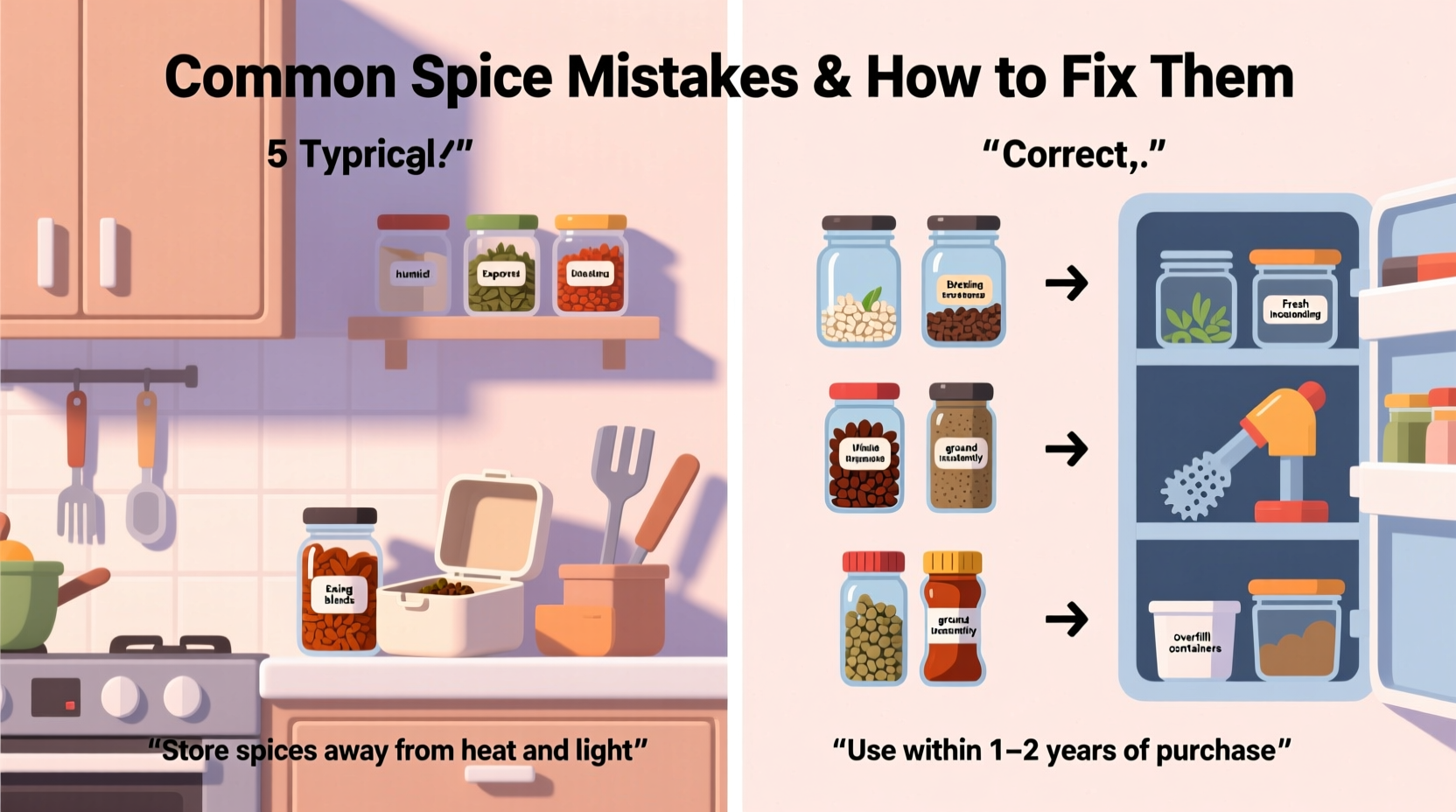
Spices are concentrated plant derivatives—typically seeds, bark, roots, or fruit—that deliver intense aroma, color, and taste. Unlike herbs, which come from the leafy parts of plants, spices originate from more resilient components and are often used in dried form. Their potency lies in volatile oils, which degrade over time or under improper conditions. When handled incorrectly, spices lose their aromatic compounds, resulting in flat, lifeless dishes. Worse, some errors introduce bitterness or imbalance. Recognizing these pitfalls is not merely about preservation—it's about unlocking precision in seasoning, layering depth, and achieving consistency across cuisines.
Key Characteristics of Common Spices
Each spice possesses a unique chemical profile that dictates its behavior in cooking. Below is a breakdown of fundamental characteristics shared across major categories:
| Spice | Flavor Profile | Aroma Intensity | Heat Level (Scoville if applicable) | Primary Culinary Function | Shelf Life (Whole vs. Ground) |
|---|---|---|---|---|---|
| Cinnamon (Ceylon) | Sweet, woody, citrusy | High | None | Warmth, sweetness enhancement | 3–4 years / 1–2 years |
| Cumin (seed) | Earthy, nutty, slightly bitter | Very high when toasted | None | Base flavor builder | 4 years / 1.5 years |
| Paprika (sweet) | Mild, sweet pepper, smoky (if smoked) | Moderate | 0–500 SHU | Color, subtle warmth | 3 years / 1 year |
| Turmeric | Earthy, slightly bitter, peppery | Moderate | None | Color, earthiness, anti-inflammatory properties | 3–4 years / 1 year |
| Black Pepper (peppercorn) | Pungent, sharp, floral notes | High when freshly cracked | 1,000–2,000 SHU | Background heat, brightness | 5+ years / 2 years |
| Chili Powder (blend) | Smoky, tangy, variable heat | Moderate | 1,000–2,500 SHU | Heat, body, color | 2 years / 6–12 months |
The table illustrates a key principle: whole spices retain flavor far longer than ground versions due to reduced surface area exposure to oxygen and light. This difference alone accounts for one of the most widespread mistakes in home kitchens.
Mistake #1: Using Pre-Ground Spices Exclusively
Pre-ground spices offer convenience but at a steep cost to flavor. Once ground, volatile oils begin evaporating immediately. By the time a jar reaches your shelf, it may have lost up to 70% of its aromatic compounds. The result? Dull curries, uninspired rubs, and soups lacking dimension.
Correction: Invest in a small collection of whole spices—cumin seeds, coriander seeds, black peppercorns, cinnamon sticks—and grind them as needed. A dedicated coffee grinder (used only for spices) or mortar and pestle yields superior results. For example, toasting whole cumin seeds in a dry skillet for 60 seconds before grinding unlocks a deep, roasted aroma absent in pre-ground versions.
Pro Tip: Label your ground spices with purchase and opening dates. Discard any ground spice older than 12 months unless stored in vacuum-sealed, dark glass containers in a cool pantry.
Mistake #2: Storing Spices Improperly
Many cooks store spices above the stove, near ovens, or on sunlit countertops—locations that accelerate degradation. Heat, light, and humidity break down essential oils rapidly. Whole cloves exposed to steam can mold; paprika fades in direct sunlight within weeks.
Correction: Store all spices in airtight, opaque containers away from heat sources. A drawer or cabinet on the opposite side of the kitchen from the stove is ideal. For long-term storage of bulk purchases (e.g., cardamom pods), consider freezing in sealed bags—this preserves integrity for up to two years.
Use amber or cobalt glass jars if possible—they block UV rays more effectively than clear glass. Avoid plastic containers, which can absorb odors and leach chemicals over time.
Mistake #3: Adding Spices at the Wrong Time During Cooking
Timing affects flavor extraction. Adding powdered turmeric at the end of cooking produces a raw, bitter note. Conversely, blooming cumin in oil too early burns it, creating acrid off-flavors.
Different forms require different treatment:
- Dry-toasting whole spices: Ideal for building foundational flavor. Heat in a dry pan over medium-low until fragrant (about 1–2 minutes). Immediately transfer to cool surface to stop cooking.
- Blooming ground spices in fat: Add to hot oil or ghee for 15–30 seconds before adding liquids. This dissolves hydrophobic compounds and integrates flavor evenly. Example: Cook curry powder in coconut oil before adding tomatoes.
- Finishing with fresh or delicate spices: Add ground cinnamon or sumac just before serving to preserve top notes.
Understanding solubility—whether a compound dissolves in oil (like curcumin) or water (like capsaicin)—guides proper integration.
Mistake #4: Overloading Dishes with Multiple Spices
The belief that “more is better” leads to muddled, chaotic flavor profiles. Throwing in seven spices without balance overwhelms the palate. Indian cuisine uses complex blends like garam masala, but they are carefully calibrated—not haphazard.
Correction: Adopt a “layered approach.” Use 2–3 dominant spices per dish, supported by one accent. For instance, a lamb stew might feature cumin and coriander as base notes, with a pinch of ground clove for warmth. Taste incrementally and adjust rather than dumping entire teaspoons at once.
“A well-spiced dish doesn’t shout—it whispers with intention.” — Chef Anika Rahman, James Beard nominee for Modern South Asian Cuisine
Mistake #5: Confusing Similar-Sounding Spices
Substitutions based on name alone lead to disastrous results. Consider the following distinctions:
| Spice | Commonly Confused With | Key Difference | Culinary Consequence of Mix-Up |
|---|---|---|---|
| Cinnamon (Ceylon) | Cassia | Cassia is thicker, stronger, higher in coumarin (toxic in excess) | Bitterness, liver strain with regular use |
| Coriander Seed | Cilantro (leaf) | Seeds are warm, citrusy; leaves are pungent, soapy (genetically perceived) | Unexpected texture and flavor mismatch |
| Ground Cloves | Nutmeg | Cloves are intensely medicinal; nutmeg is sweet, nutty | Overpowering bitterness, numbing sensation |
| Paprika | Chili Powder | Paprika = pure ground peppers; chili powder = blend with cumin, garlic, etc. | Unintended spice mix altering recipe balance |
Always read labels carefully. If substituting, do so proportionally—1/4 tsp clove for 1/2 tsp nutmeg max—and adjust other seasonings accordingly.
Variants & Types: Choosing the Right Form
Spices appear in multiple forms, each suited to specific applications:
Whole vs. Ground
- Whole: Best for infusions (e.g., bay leaves in broth), pickling (mustard seeds), or dry-toasting. Maximum shelf life and control.
- Ground: Faster dispersion, ideal for batters, marinades, or quick-cooking sauces. Use within 6–12 months.
Fresh vs. Dried
- Fresh ginger: Bright, zesty, fibrous. Use raw in dressings or early in stir-fries.
- Dried ginger powder: Warmer, less acidic. Better in baked goods or chai.
Regional Varieties
- Sumac: Middle Eastern (tart, lemony) vs. North American (toxic variety). Only use food-grade sumac labeled for culinary use.
- Saffron: Iranian (most common), Spanish (smoother), Kashmiri (deeper hue). Authentic saffron threads should be deep red, never orange-dyed corn silk.
Action Step: Keep both whole and ground versions of core spices (e.g., pepper, cumin). Use whole for slow infusions and grinding; ground for immediate incorporation.
Mistake #6: Not Toasting or Blooming Spices
Raw ground spices added directly to wet dishes often taste dusty and underdeveloped. They need activation through heat and fat to release full flavor.
Correction: Practice “blooming.” In a saucepan, heat 1 tbsp oil or butter over medium. Add ground spices (e.g., 1 tsp cumin, 1/2 tsp turmeric) and stir constantly for 20–30 seconds until fragrant. Then add onions or liquid base. This technique is standard in Indian, North African, and Mexican cuisines.
For whole spices, dry-toast first: Place in empty skillet, shake gently until aromatic. Cool slightly, then crush or add directly to dish (remove before serving if large, like cinnamon sticks).
Mistake #7: Ignoring Expiration and Shelf Life
Unlike perishables, spices don’t spoil in a food-safety sense—but they lose potency. There’s no universal expiration date, leading many to keep jars indefinitely.
Test for Freshness:
- Smell: Open the jar. Does it have a distinct aroma? If faint or musty, discard.
- Color: Faded paprika or grayish turmeric indicates oxidation.
- Taste: A pinch on the tongue should deliver clear flavor. If bland or bitter, replace.
General shelf life guidelines:
- Whole spices: 3–4 years
- Ground spices: 1–2 years
- Herb blends (with salt): 1.5 years
- Seed-based spices (fennel, mustard): Up to 4 years
Practical Tips & FAQs
Q: Can I revive old spices?
No. Once volatile oils degrade, they cannot be restored. Baking or toasting won't regenerate lost compounds. Replace them.
Q: What’s the best way to buy spices in bulk?
Purchase from reputable spice merchants with high turnover. Look for packaging with harvest or milling dates. Buy only what you’ll use in 6–12 months unless freezing.
Q: Are organic spices worth it?
Yes, especially for spices prone to irradiation or fumigation (e.g., black pepper, coriander). Organic certification ensures no synthetic pesticides and often better traceability.
Q: How do I make my own spice blends?
Start with ratios. For example:
- Homemade Garam Masala: 2 tbsp green cardamom, 1 tbsp cloves, 1 tbsp black peppercorns, 1 cinnamon stick, 1 tsp cumin seeds. Dry toast, cool, grind.
- Taco Seasoning: 2 tbsp chili powder, 1 tbsp cumin, 1.5 tsp paprika, 1 tsp garlic powder, 1/2 tsp oregano, 1/4 tsp cayenne.
Store blends in dark jars, label with date, and use within 3 months for peak freshness.
Q: Should I refrigerate spices?
No, except for rare cases like smoked paprika in humid climates. Condensation causes clumping and mold. Cool, dry, dark storage is optimal.
Q: Can I substitute fresh for dried spices?
Generally, use 1 part dried to 3 parts fresh (by volume), as drying concentrates flavor. However, this doesn’t apply universally—fresh nutmeg grates differently than ground, and fresh chilies vary in heat.
Case Study: Transforming a Bland Curry
A home cook repeatedly made chicken curry that tasted flat despite following recipes. Investigation revealed:
- Used 3-year-old ground cumin and turmeric
- Added spices directly to simmering sauce without blooming
- Stored spices above the stove
Corrective steps taken:
- Purchased fresh whole cumin seeds and turmeric root (grated fresh)
- Stored new spices in a pantry drawer
- Heated coconut oil, bloomed 1 tsp freshly ground cumin and 1/2 tsp turmeric for 20 seconds before adding onions
Result: A vibrant, aromatic curry with layered warmth—proof that correcting spice handling transforms outcomes.
Summary & Key Takeaways
Spices are powerful tools, but their effectiveness depends on proper selection, storage, and application. The most common mistakes—using stale ground spices, poor storage, incorrect timing, overuse, and confusion between similar types—are easily corrected with awareness and discipline.
Core principles to remember:
- Buy whole spices whenever possible and grind fresh.
- Store in airtight, opaque containers away from heat and light.
- Bloom ground spices in fat or dry-toast whole ones to unlock flavor.
- Limits blends to 2–3 dominant spices for clarity.
- Check freshness regularly; replace when aroma fades.
- Understand differences between similar spices to avoid substitutions that disrupt balance.
Final Advice: Treat spices like wine—respect their origin, handle them with care, and appreciate how small changes in technique yield profound differences in experience. Start a spice journal: note purchase dates, uses, and performance. Over time, you’ll develop an intuitive sense of what works—and why.




 浙公网安备
33010002000092号
浙公网安备
33010002000092号 浙B2-20120091-4
Comments
No comments yet. Why don't you start the discussion?