
For home cooks and meal planners, navigating the grocery aisle filled with canned tomato products can be confusing. Tomato sauce is a pantry staple used in pasta dishes, soups, stews, casseroles, and sauces, yet the variety of can sizes—often labeled without clear context—can lead to recipe miscalculations, food waste, or last-minute store runs. Understanding the standard can sizes, their volume equivalents, and how they relate to cooking applications ensures consistency, efficiency, and better results in everyday cooking. This guide breaks down the most common tomato sauce can sizes, explains their practical uses, and offers expert-backed insights on substitutions, storage, and usage.
Definition & Overview
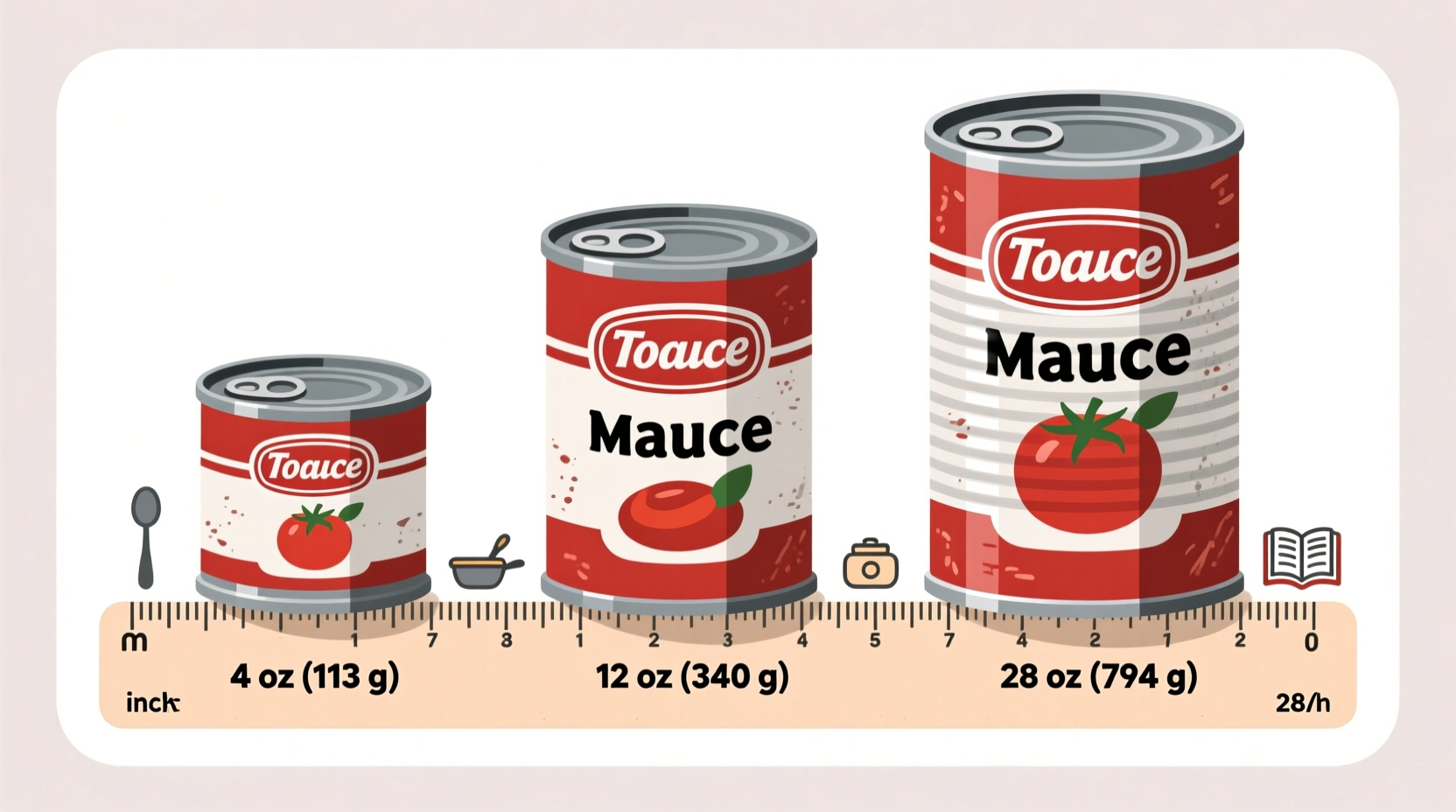
Tomato sauce, in the context of canned goods, refers to a smooth, cooked, and seasoned puree made from ripe tomatoes. It is distinct from whole peeled tomatoes, crushed tomatoes, or tomato paste, though it may contain small amounts of the latter for depth. Commercially canned tomato sauce is typically simmered with salt, citric acid (for preservation), and sometimes herbs like basil or oregano, depending on the brand. It serves as a ready-to-use base that reduces prep time in dishes requiring a liquid tomato foundation.
The product is sterilized and sealed in metal cans designed to preserve flavor, color, and nutritional value for extended periods. Its convenience makes it a go-to ingredient in American, Italian-American, and global fusion cuisines where speed and consistency are valued. However, because can sizes vary by manufacturer and region, understanding what each size contains—and how it translates to measuring cups or recipe yields—is essential for accurate cooking.
Key Characteristics of Canned Tomato Sauce
Before diving into can dimensions, it’s important to recognize the sensory and functional traits of tomato sauce that influence its use:
- Flavor Profile: Mildly tangy, slightly sweet, with a balanced acidity; seasoned minimally in plain versions, more robust in flavored varieties.
- Texture: Smooth and pourable, free of large chunks; thinner than crushed tomatoes but thicker than tomato juice.
- Aroma: Fresh-cooked tomato scent, often with subtle herbal notes if seasoned.
- Color: Deep red to maroon, uniform in appearance.
- Culinary Function: Acts as a base for sauces, soups, braises, and simmered dishes; contributes moisture and tomato essence without requiring reduction from scratch.
- Shelf Life: Unopened cans last 12–18 months when stored in a cool, dry place; once opened, refrigerate and use within 5–7 days or freeze for up to 6 months.
- Acidity Level: Naturally acidic (pH ~4.0–4.5), which aids preservation but requires caution when canning at home or using reactive cookware.
Standard Tomato Sauce Can Sizes in the United States
In the U.S., canned tomato sauce is available in several standardized sizes, each suited to different household needs and recipe scales. These sizes are consistent across major brands such as Hunt’s, Del Monte, Cento, and Muir Glen. Below is a detailed breakdown of the most common can sizes, their volume in both fluid ounces and metric/cup equivalents, and typical use cases.
| Can Size (Label) | Volume (Fluid Ounces) | Cups | Metric (Milliliters) | Common Uses |
|---|---|---|---|---|
| Small / Condiment | 8 fl oz | 1 cup | 240 ml | Single servings, small sauces, adding depth to eggs or grains |
| Regular / Standard | 15 oz | ~1 7/8 cups | 440 ml | Pasta sauces, side dishes, medium-sized casseroles |
| Large / Family Size | 28 oz | ~3.5 cups | 830 ml | Baking ziti, lasagna, large batches of soup or chili |
| Extra Large / Economy | 35 oz | ~4.4 cups | 1,035 ml | Meal prepping, catering, freezing in portions |
| Jumbo / Food Service | 45–48 oz | 5.5–6 cups | 1,330–1,420 ml | Commercial kitchens, large gatherings, batch cooking |
Note: The actual weight listed on cans (e.g., “15 oz”) refers to the **drained weight**, which includes both liquid and solids. For tomato sauce, this is nearly equivalent to volume since it's a liquid-dense product. However, slight variations occur due to air pockets and headspace in the can.
Variants & Types of Canned Tomato-Based Products
While “tomato sauce” is a specific category, it is often confused with other canned tomato products. Each has a distinct texture, concentration, and culinary role. Understanding these differences prevents substitution errors and improves dish outcomes.
1. Tomato Sauce
A smooth, thin puree with moderate consistency. Ready to use as-is. Ideal for quick marinara, shakshuka, or thinning thicker sauces.
2. Crushed Tomatoes
Composed of diced tomatoes in tomato juice or purée, with a chunkier texture. Contains visible pieces. Used in rustic sauces, pizza bases, and hearty stews where texture matters.
3. Tomato Puree
Thicker than tomato sauce, made by cooking down tomatoes longer. Often used as a thickening agent or base for concentrated flavor. Not the same as tomato paste.
4. Tomato Paste
A highly concentrated form, reduced to a dense paste. Sold in small 6-oz cans. Used in tablespoons to deepen flavor, add umami, or enhance color in sauces and braises.
5. Stewed Tomatoes
Pre-cooked tomatoes with added seasonings, onions, peppers, or celery. Less commonly used as a base; more of a side dish component.
6. Diced Tomatoes
Peel-and-seed tomatoes cut into cubes, packed in juice or light purée. Retains shape during cooking. Best for salsas, soups, and dishes needing texture.
Pro Tip: When a recipe calls for “tomato sauce” but you only have crushed tomatoes, blend them briefly with an immersion blender or pass through a sieve to achieve the correct consistency. Conversely, dilute tomato paste (1 part paste + 2 parts water) to mimic tomato sauce in a pinch.
Comparison with Similar Ingredients
The following table clarifies key differences between tomato sauce and comparable canned tomato products to prevent confusion during shopping or cooking.
| Product | Texture | Thickness | Typical Can Size | Best Used In |
|---|---|---|---|---|
| Tomato Sauce | Smooth, pourable | Medium-thin | 8–48 oz | Marinara, soups, braised dishes |
| Crushed Tomatoes | Chunky, pulpy | Medium | 28 oz | Pizza sauce, chunky pasta sauces |
| Tomato Puree | Smooth, thick | Thick | 15–32 oz | Soups, stews, thickening sauces |
| Tomato Paste | Dense, concentrated | Very thick | 6 oz | Flavor enhancement, browning agents |
| Diced Tomatoes | Cubed, firm | Thin liquid, solid pieces | 14.5–28 oz | Salsas, chilis, casseroles |
Practical Usage: How to Use Tomato Sauce in Cooking
Tomato sauce is more than just a shortcut—it’s a versatile ingredient that can elevate meals when used thoughtfully. Here are real-world applications across skill levels and kitchen settings.
Home Cooking Applications
- Quick Marinara: Sauté garlic in olive oil, add 1 can (15 oz) tomato sauce, simmer 15 minutes with basil and salt. Toss with cooked pasta.
- One-Pot Meals: Combine 1 can tomato sauce with broth, rice, vegetables, and protein for a complete dish cooked in one pot.
- Meatloaf Glaze: Mix 1/4 cup tomato sauce with brown sugar and vinegar for a glossy, savory-sweet topping.
- Egg Dishes: Simmer tomato sauce with cracked eggs for shakshuka—serve with crusty bread.
- Slow Cooker Sauces: Use 28 oz can as a base for pulled chicken or beef, adding spices and slow-cooking for 6–8 hours.
Professional & Restaurant-Style Uses
- Speed Bases: Chefs use canned tomato sauce as a starting point, then build layers with wine, aromatics, and fresh herbs to save time during service.
- Consistency Control: In high-volume kitchens, using standardized cans ensures every batch of sauce tastes the same.
- Staff Meals: Tomato sauce is used in bulk to feed kitchen teams quickly—mixed with pasta, beans, or grains.
Pairing Suggestions & Ratios
Understanding how much seasoning or thickener to add per can improves balance:
- Garlic: 2–3 cloves per 15 oz can.
- Olive Oil: 1–2 tablespoons to enrich mouthfeel.
- Sugar: 1/2 teaspoon to counteract acidity, especially in older canned products.
- Herbs: 1 teaspoon dried oregano or 1 tablespoon fresh basil per can.
- Liquid Reduction: Simmer uncovered 10–20 minutes to thicken 15 oz can by ~25%.
“I always keep a few cans of tomato sauce on hand—not because I’m lazy, but because it’s a reliable canvas. You control the final flavor, but you skip the two-hour simmer.” — Maria Tran, Executive Chef, Bellacino Bistro
Substitutions & Emergency Hacks
Ran out of tomato sauce? These substitutions maintain integrity under pressure:
- Tomato Puree + Water (1:1): Dilute to match consistency.
- Crushed Tomatoes (blended): Pulse in a blender until smooth.
- Tomato Paste + Water (1:3 ratio): 1 tablespoon paste + 3 tablespoons water ≈ 1/4 cup sauce.
- Fresh Tomatoes (cooked): Blanch, peel, and simmer 2 lbs ripe tomatoes until reduced to ~2 cups liquid.
- Pasta Sauce (plain version): Acceptable if unseasoned; avoid meat or vegetable-laden versions unless desired.
Storage Tip: Transfer unused tomato sauce to an airtight glass container and refrigerate. Label with date. For long-term storage, freeze in 1-cup portions using ice cube trays or silicone molds, then transfer to freezer bags.
Practical Tips & FAQs
Q1: Is canned tomato sauce healthy?
A1: Yes, when chosen wisely. Opt for low-sodium versions and check labels for added sugars or preservatives. Canned tomato sauce retains lycopene, an antioxidant enhanced by cooking.
Q2: Can I use tomato sauce instead of crushed tomatoes?
A2: Only if texture isn’t critical. For chunky dishes, substitute crushed tomatoes. For smooth sauces, tomato sauce works well.
Q3: Why does my canned tomato sauce taste metallic?
A3: Prolonged storage or low-quality linings can cause this. Choose BPA-free cans and avoid dented or bulging containers. Taste dissipates slightly with heating and seasoning.
Q4: How do I thicken canned tomato sauce?
A4: Simmer uncovered to reduce, or add 1 tsp cornstarch slurry (mixed with cold water) per cup of sauce. Tomato paste (1 tbsp per cup) also thickens and enriches.
Q5: Are all 28-oz cans the same?
A5: Volume is standardized, but ingredients vary. Compare sodium (100–400 mg per 1/2 cup), added sugars, and herb content. Organic and fire-roasted versions offer flavor variations.
Q6: Can I freeze unopened cans?
A6: No. Freezing causes expansion and can compromise the seal, leading to spoilage. Freeze only after opening and transferring to a freezer-safe container.
Q7: What’s the best can size for meal prep?
A7: The 28-oz can is ideal—yields about 4 servings. Pair with 15-oz cans for smaller batches. Buy in bulk (case of 6) for cost efficiency.
Case Study: Converting a Family Recipe
A traditional Sunday gravy recipe calls for “two large cans of tomatoes.” A home cook interprets this as two 28-oz cans of crushed tomatoes. To streamline, she tests substituting one 28-oz can of tomato sauce blended with half a can of tomato paste for depth. Result: smoother texture, faster cooking, and consistent flavor across batches. She now stores extra in vacuum-sealed jars for future use.
This illustrates how understanding can sizes and product types allows for intelligent adaptation without sacrificing authenticity.
Summary & Key Takeaways
Mastering canned tomato sauce begins with recognizing standard can sizes and their culinary implications. The 8-oz, 15-oz, 28-oz, 35-oz, and jumbo 45+ oz cans serve different purposes—from single servings to large-batch cooking. Knowing how tomato sauce differs from crushed tomatoes, puree, and paste prevents substitution errors. Practical skills like blending, diluting, reducing, and freezing extend usability and minimize waste.
Choose cans based on recipe yield, check labels for additives, and store properly to maintain quality. Whether you're preparing a weeknight dinner or feeding a crowd, the right can size and type make a measurable difference in flavor, texture, and efficiency.
Final Advice: Keep a mix of 15-oz and 28-oz cans on hand. Use smaller sizes for precision, larger ones for economy. Always measure by volume (cups) when adapting recipes, not by can count, to ensure accuracy.




 浙公网安备
33010002000092号
浙公网安备
33010002000092号 浙B2-20120091-4
Comments
No comments yet. Why don't you start the discussion?