
Celery seed is a small but mighty spice that plays an outsized role in both culinary traditions and natural wellness practices. Often overlooked in favor of more prominent herbs and spices, celery seed delivers a concentrated burst of earthy, slightly bitter, and distinctly savory flavor—making it a staple in spice blends, pickling recipes, and traditional medicine. For home cooks seeking depth and complexity in their dishes, or health-conscious individuals exploring plant-based remedies, understanding celery seed’s applications and advantages is essential. This guide explores its flavor profile, practical uses in cooking, nutritional benefits, and how to incorporate it effectively into everyday meals.
Definition & Overview
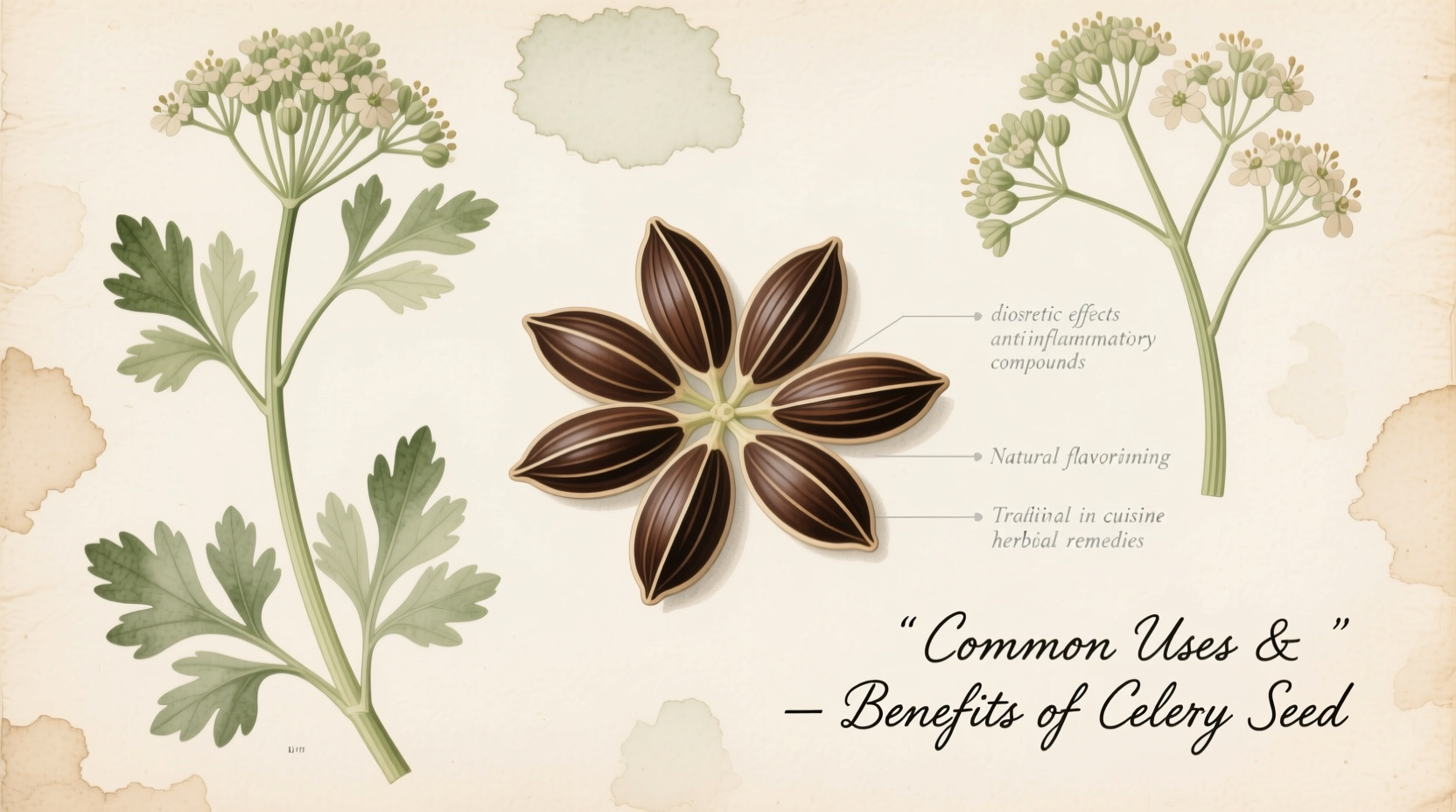
Celery seed comes from Apium graveolens, the same biennial plant that produces the familiar celery stalks found in grocery stores. However, unlike the cultivated stalk variety, wild celery (from which most commercial seeds are harvested) grows primarily for its aromatic seeds. These tiny brown-to-grayish seeds are about 1–2 millimeters in length and possess a far more intense flavor than the mild crunch of celery ribs.
Historically used in Mediterranean, Indian, and Middle Eastern cuisines, celery seed has been valued not only as a seasoning but also as a medicinal herb since ancient times. In Ayurvedic and traditional European herbalism, it was employed to support joint health, digestion, and fluid balance. Today, it remains a key ingredient in spice racks and herbal apothecaries alike, bridging the gap between kitchen and holistic wellness.
The flavor of celery seed is pungent and warm, with notes of parsley, anise, and a subtle peppery bite. It carries the unmistakable aroma of fresh celery but in a more robust, resinous form. Because of this potency, it is typically used in small quantities to avoid overwhelming a dish.
Key Characteristics
| Characteristic | Description |
|---|---|
| Flavor Profile | Earthy, warm, slightly bitter, with celery-like savoriness and hints of nuttiness and pepper. |
| Aroma | Strongly reminiscent of fresh celery, intensified with herbal and faintly musky undertones. |
| Color & Form | Small oval seeds ranging from light tan to dark brown; sold whole or ground. |
| Heat Level | Not spicy in the chili sense, but has a mild warming sensation on the palate. |
| Culinary Function | Flavor enhancer, preservative (in pickling), base note in spice blends, digestive aid. |
| Shelf Life | Whole seeds: up to 3–4 years when stored properly; ground: 1–2 years. |
| Solubility | Essential oils are fat-soluble; best released through dry toasting or oil infusion. |
Practical Usage: How to Use Celery Seed in Cooking
Celery seed's versatility lies in its ability to enhance both savory and preserved foods. Its concentrated flavor means a little goes a long way—typically, 1/4 to 1/2 teaspoon of ground celery seed or 1/2 to 1 teaspoon of whole seeds suffices for a standard recipe serving four to six people.
Pickling and Preserving
One of the most traditional and widespread uses of celery seed is in pickling brines. It adds complexity to fermented vegetables like cucumbers, green beans, and cauliflower. Combined with mustard seed, coriander, and dill, celery seed contributes to the signature tang and depth of classic dill pickles.
Example Pickling Blend:
For every quart of pickling liquid:
– 1 tsp whole celery seed
– 1 tsp mustard seed
– 1 sprig fresh dill (or 1 tsp dill seed)
– 1 clove garlic
– 1 cup vinegar, 1 cup water, 1 tbsp salt
Pro Tip: Toast whole celery seeds lightly in a dry pan before using them in pickling or rubs. This intensifies their aroma and deepens their flavor without making them bitter.
Spice Blends and Seasoning Mixes
Celery seed is a foundational component in several regional spice mixes. It appears in Old Bay seasoning, celery salt (a blend of ground celery seed and table salt), and various homemade poultry or fish rubs. When combined with paprika, onion powder, black pepper, and thyme, it enhances roasted meats and vegetable dishes.
To make your own celery salt: grind 1 part celery seed with 3 parts sea salt using a mortar and pestle or spice grinder. Store in an airtight container for up to six months.
Soups, Stews, and Broths
In soups such as chowders, lentil stews, or vegetable broths, celery seed can substitute for or complement fresh celery. It dissolves well during prolonged simmering, releasing its essential oils throughout the liquid. Add it early in the cooking process to allow full flavor integration.
Application Example: In a split pea soup, add 1/2 tsp of crushed celery seed along with bay leaf and onions. The result is a richer, more layered base compared to using diced celery alone.
Bread and Savory Baking
Celery seed finds its way into breads, especially rye, sourdough, and seeded loaves. It pairs exceptionally well with caraway, fennel, and poppy seeds. Incorporate 1–2 teaspoons per loaf for a rustic, aromatic profile.
Dressings and Marinades
Whisk ground celery seed into vinaigrettes, creamy dressings, or marinades for grilled vegetables and proteins. It complements lemon juice, olive oil, and garlic beautifully. Try adding a pinch to coleslaw dressing for a subtle herbal lift.
Variants & Types
Celery seed is available in several forms, each suited to different culinary needs:
- Whole Celery Seeds: These retain maximum freshness and flavor. Ideal for pickling, infusions, and slow-cooked dishes where they can soften over time. They offer a slight crunch if not cooked long enough.
- Ground Celery Seed: More convenient for even distribution in spice rubs, batters, and sauces. Loses potency faster than whole seeds due to increased surface area exposure.
- Celery Salt: A pre-mixed combination of ground celery seed and salt. Useful for quick seasoning but may contain anti-caking agents. Check labels if avoiding additives.
- Celery Seed Extract/Oil: Used primarily in aromatherapy and supplements. Highly concentrated; not intended for direct culinary use without dilution.
| Type | Best For | Storage Duration |
|---|---|---|
| Whole Seeds | Pickling, braises, spice blends | 3–4 years in cool, dark place |
| Ground Seed | Rubs, dressings, baked goods | 1–2 years |
| Celery Salt | Seasoning meats, Bloody Marys, snacks | 1 year after opening |
| Extract/Oil | Supplements, tinctures | 2 years unopened |
Comparison with Similar Ingredients
Celery seed is often confused with other aromatic seeds. Understanding the differences ensures proper usage and prevents flavor imbalances.
| Ingredient | Flavor Comparison | Substitution Ratio | Notes |
|---|---|---|---|
| Fennel Seed | Sweet licorice note vs. celery’s earthiness | Use ¾ amount; not ideal swap | Fennel is sweeter and less savory; better in Italian sausages. |
| Dill Seed | Milder, grassier, more floral | 1:1 in pickling only | Can work in pickles but lacks depth in stews. |
| Caraway Seed | Warm, slightly citrusy, more pungent | ½ amount; distinct profile | Common in rye bread—similar application but different taste. |
| Fresh Celery | Watery, mild, crunchy | 1 tsp seed ≈ 1 rib stalk (flavor-wise) | Seeds are more concentrated; cannot replicate texture. |
“Celery seed is one of those quiet powerhouses in the spice drawer. It doesn’t shout, but remove it from a pickle brine or a stew, and you’ll immediately notice something’s missing.” — Chef Miriam Tran, Culinary Instructor at Boston School of Plant-Based Arts
Practical Tips & FAQs
Can I substitute celery seed for fresh celery?
Yes, but only in terms of flavor contribution. Use 1/2 teaspoon of crushed celery seed per medium celery stalk. Keep in mind that texture and moisture will differ significantly. Best for soups, stews, and casseroles where texture isn’t critical.
Is celery seed safe for everyone?
Generally yes in culinary amounts. However, concentrated doses (as in supplements) may interact with blood thinners, diuretics, or thyroid medications. Pregnant women should avoid high intake due to potential uterine stimulation. Consult a healthcare provider before using medicinally.
How should I store celery seed?
Keep whole seeds in an airtight glass jar away from heat, light, and moisture. A cool pantry or cupboard is ideal. Ground celery seed degrades faster—consider buying in smaller quantities and grinding as needed.
Does celery seed have any health benefits?
Emerging research suggests several potential benefits:
- Natural Diuretic: May help reduce water retention by promoting urine production.
- Anti-Inflammatory Properties: Contains compounds like apigenin and luteolin, which may help modulate inflammatory pathways.
- Digestive Support: Traditionally used to relieve bloating and gas due to its carminative effects.
- Antioxidant Content: Rich in phenolic compounds that combat oxidative stress.
Note: Most studies use concentrated extracts, not culinary doses. While regular use may contribute to wellness, it should not replace medical treatment.
What dishes benefit most from celery seed?
Top applications include:
- Pickled vegetables
- Lentil or bean soups
- Cole slaw and potato salad dressings
- Meatloaf and veggie burger seasonings
- Rye or multigrain breads
- Seafood boils and clam chowder
Can I grow my own celery seed?
Yes, though it requires patience. Grow wild celery or a seed variety like ‘Golden Prague’ in a sunny spot with moist soil. Allow the plant to bolt and flower in its second year. Harvest the mature seeds when they turn brown and dry on the stalk. Shake them into a paper bag and store in a labeled container.
Quick Checklist: Using Celery Seed Effectively
☐ Toast whole seeds lightly before use
☐ Store in opaque, airtight containers
☐ Grind just before use for maximum aroma
☐ Pair with mustard, dill, and onion in pickling
☐ Start with small amounts—build to taste
☐ Label homemade blends with dates
Summary & Key Takeaways
Celery seed is a compact yet powerful ingredient that bridges culinary and wellness worlds. Its strong, earthy flavor makes it indispensable in pickling, spice blends, soups, and savory baking. Available as whole seeds, ground powder, or in salt mixtures, it offers flexibility across cooking styles. While not a direct substitute for fresh celery in terms of texture, it provides a deeper, longer-lasting flavor presence.
From enhancing the complexity of a pot of lentil soup to contributing to traditional herbal formulas for joint and digestive health, celery seed proves that size doesn’t determine impact. When stored properly and used thoughtfully, it becomes a silent but essential player in the pantry.
Understanding its characteristics, comparing it accurately to similar spices, and applying it in appropriate contexts allows both novice and experienced cooks to harness its full potential. Whether you're crafting a batch of homemade dill pickles or exploring natural ways to support wellness, celery seed deserves a permanent spot on your shelf.




 浙公网安备
33010002000092号
浙公网安备
33010002000092号 浙B2-20120091-4
Comments
No comments yet. Why don't you start the discussion?