
Lentils are among the world’s oldest cultivated legumes, prized for their nutritional density, affordability, and versatility in global cuisines. With a rich protein and fiber profile, they serve as a cornerstone in vegetarian, vegan, and plant-forward diets. Yet not all lentils behave the same way in the kitchen. Understanding the differences between common varieties—how they cook, what flavors they carry, and which dishes they suit best—can elevate everyday meals from bland to brilliant. This guide explores the essential types of lentils, their culinary applications, and how to use them effectively across a range of recipes.
Definition & Overview
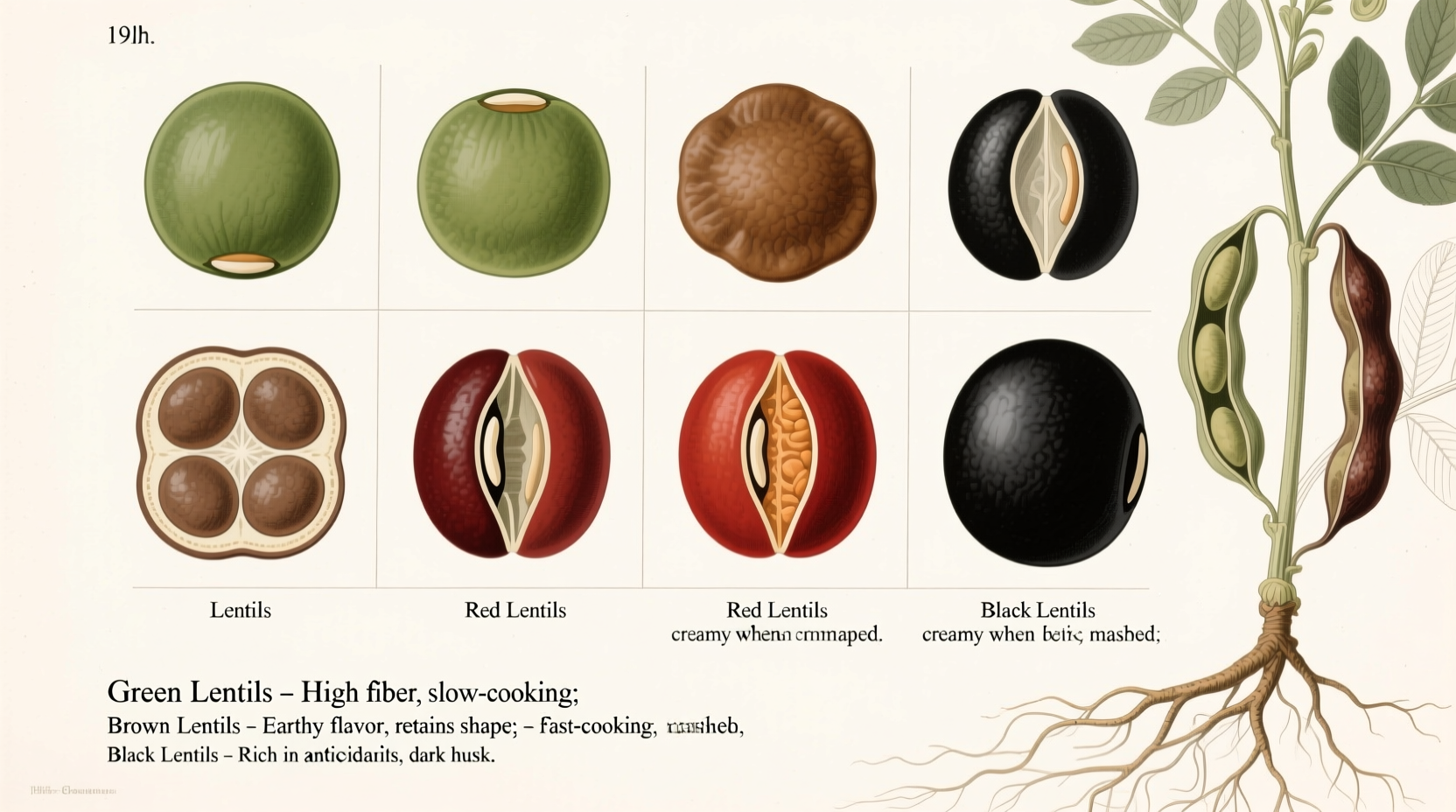
Lentils (Lens culinaris) are edible pulses—small, lens-shaped seeds that belong to the legume family. They grow in pods, typically with two seeds per pod, and have been a dietary staple since ancient times, particularly in South Asia, the Mediterranean, and the Middle East. Unlike many legumes, lentils require no soaking before cooking, making them one of the fastest-cooking dry beans. They are high in plant-based protein (about 18g per cooked cup), rich in complex carbohydrates, iron, folate, and soluble fiber, contributing to heart health and digestive wellness.
Culinary traditions around the world have developed distinct preferences for specific lentil types based on texture retention, cooking time, and color transformation. Some lentils break down into a creamy puree, ideal for soups and dals; others hold their shape firmly, making them perfect for salads and side dishes. The choice of lentil can determine whether a dish is rustic or refined, hearty or delicate.
Key Characteristics of Common Lentil Varieties
The primary differences among lentils lie in their size, color, skin integrity, cooking behavior, and flavor. Below is a detailed breakdown of the five most widely available types:
| Lentil Type | Color | Cooking Time | Texture When Cooked | Flavor Profile | Best Uses |
|---|---|---|---|---|---|
| Green/Brown Lentils | Olive green to mottled brown | 20–30 minutes | Firm, holds shape | Earthy, mild, slightly peppery | Soups, stews, side dishes |
| French Green (Le Puy) | Blue-green with mottling | 25–30 minutes | Firm, al dente | Pronounced minerality, peppery finish | Salads, gourmet dishes |
| Red/Yellow Lentils | Orange-red or golden yellow | 10–15 minutes | Soft, mushy, breaks down | Sweet, nutty, mild | Dals, curries, purees |
| Black (Beluga) | Jet black, glossy | 20–25 minutes | Firm, caviar-like | Rich, earthy, umami | Warm salads, garnishes, upscale sides |
| Puy Lentils | Dark blue-green | 25–30 minutes | Very firm, resists overcooking | Robust, mineral-rich | Salads, braises, cold dishes |
These characteristics directly influence how each variety performs in different culinary contexts. For example, red lentils dissolve when cooked, making them excellent thickeners in sauces and soups. In contrast, French green and beluga lentils maintain structural integrity, lending visual elegance and textural contrast to composed dishes.
Practical Usage: How to Use Each Lentil Variety
Choosing the right lentil isn’t just about availability—it’s about intention. The desired outcome of your dish should dictate your selection. Here's how to apply each type effectively in both home and professional kitchens.
Green and Brown Lentils: The Workhorse of the Pantry
Most commonly found in supermarkets, green and brown lentils are interchangeable in most recipes. They retain their shape well after boiling, making them ideal for dishes where texture matters. These lentils shine in robust preparations like French lentil soup, Indian sambar, or shepherd’s pie fillings.
How to use: Rinse under cold water, then simmer in a 2:1 water-to-lentil ratio until tender but not mushy. Add salt only at the end to prevent toughening. For deeper flavor, sauté onions, carrots, and celery before adding lentils and liquid.
Pro Tip: Brown lentils pair exceptionally well with smoked meats (like ham hocks) or umami-rich ingredients such as tomatoes and mushrooms. Their neutral base absorbs spices and aromatics beautifully.
French Green (Le Puy) Lentils: The Gourmet Choice
Grown in the volcanic soils of central France, Le Puy lentils are protected by AOC status (Appellation d'Origine Contrôlée), ensuring authenticity. They remain firm even after prolonged cooking, offering a satisfying bite that elevates simple dishes.
How to use: Ideal for warm salads dressed with Dijon vinaigrette, tossed with roasted vegetables, herbs, and crumbled goat cheese. Also excellent in cassoulet-style stews where texture contrast is key.
\"Le Puy lentils are the caviar of the lentil world—not because they're luxurious, but because they deliver complexity and resilience unmatched by other varieties.\" — Chef Camille Lepage, Culinary Instructor, Institut Paul Bocuse
Red and Yellow Lentils: The Puree Masters
Often sold without their outer hulls, red and yellow lentils cook quickly and disintegrate into a soft, creamy consistency. Red lentils turn golden-orange when cooked, while yellow ones maintain a sunny hue. Both are staples in South Asian, Middle Eastern, and North African cuisines.
How to use: Perfect for making dal, lentil soup, or thickening lentil-based gravies. In Indian cooking, red lentils (masoor dal) are often tempered with mustard seeds, cumin, garlic, and turmeric for depth. For baby food or smooth dips, blend cooked red lentils with tahini and lemon juice.
Recipe Hack: Substitute mashed red lentils for half the meat in tacos or sloppy joes. They mimic ground meat texture when spiced well and absorb taco seasoning beautifully.
Black (Beluga) Lentils: The Elegant Option
Named for their resemblance to beluga caviar, these tiny black lentils are visually striking and hold their shape impeccably. They have a richer, more savory flavor than standard green lentils and are often used in upscale or presentation-focused dishes.
How to use: Serve warm as a side dish with balsamic reduction and microgreens. Combine with quinoa or farro for grain bowls. Their dark color creates dramatic contrast in plating, making them popular in restaurant kitchens.
Puy Lentils: Not Just French, But Functional
While often grouped with French green lentils, true Puy lentils come specifically from the Le Puy region. They are smaller, denser, and more flavorful than standard green lentils. Due to their premium status, they’re best reserved for unadulterated applications where their texture and taste can be appreciated.
How to use: Toss with chopped parsley, shallots, olive oil, and lemon zest for a classic French salad. Pair with seared tuna or roast chicken for a balanced meal. Avoid using them in long-simmered soups—they’re too valuable to lose in murky broths.
Variants & Types: Understanding Regional and Processed Forms
Beyond whole dried lentils, several processed and regional variants exist, each serving a unique purpose:
- Split Lentils: Hulls removed and seeds halved. Cook faster and break down easily. Most red and yellow lentils are sold split.
- Pre-Cooked/Canned Lentils: Fully cooked and preserved in brine. Convenient for quick meals but may be softer. Rinse thoroughly before use.
- Decorticated Lentils: Skins removed, usually for export. Common in Indian markets as “dhal” (note spelling variation).
- Sprouted Lentils: Germinated for enhanced digestibility and nutrient availability. Used raw in salads or lightly sautéed.
- Black Masoor Dal: Whole red lentils with skin intact. Turn orange when cooked but take longer than split versions.
In specialty stores, you may also find heirloom or landrace varieties such as Spanish pardina lentils (similar to Le Puy) or Estonian yellow lentils (mild and fluffy). While less common, they offer nuanced alternatives for adventurous cooks.
Comparison with Similar Ingredients
Lentils are sometimes confused with other small legumes. Understanding the distinctions ensures proper substitution and recipe success.
| Ingredient | Differences from Lentils | When to Substitute? |
|---|---|---|
| Chickpeas | Larger, starchier, firmer texture; require soaking; nuttier flavor | Rarely interchangeable; use only in hearty stews or salads where texture is secondary |
| Black Beans | Darker, denser, higher in anthocyanins; need soaking; stronger bean flavor | Not suitable for purees; acceptable in Latin American soups if lentils unavailable |
| Split Peas | Similar shape and cooking behavior; sweeter, especially yellow split peas | Can replace red/yellow lentils in soups (e.g., split pea soup vs. lentil soup) |
| Mung Beans | Smaller, brighter green; quicker cooking; more neutral taste | Use in place of yellow lentils in light dals or sprouted applications |
True lentils differ from beans in that they cook faster, lack the need for presoaking, and generally contain less oligosaccharides—the compounds responsible for gas production in some legumes. This makes them more digestible for many people, especially when rinsed and cooked with kombu or asafoetida (hing).
Practical Tips & FAQs
Do I need to soak lentils before cooking?
No. Unlike most dried beans, lentils do not require soaking. Rinsing under cold water to remove dust or debris is sufficient. Soaking may actually cause some varieties (especially red and yellow) to become overly soft or disintegrate prematurely.
How long do lentils last in storage?
Dried lentils keep for up to 2–3 years in an airtight container in a cool, dark pantry. Over time, older lentils may take longer to cook and never fully soften. Canned lentils last 3–5 years unopened; once opened, refrigerate and use within 5 days.
What’s the best way to enhance lentil flavor?
Build layers of taste: start with aromatic sauté (onion, garlic, celery), add spices early (cumin, coriander, turmeric), and finish with acidity (lemon juice, vinegar) and fresh herbs. Umami boosters like tomato paste, soy sauce, or smoked paprika deepen savory notes.
Are lentils gluten-free?
Yes, pure lentils are naturally gluten-free. However, check labels on packaged or seasoned lentil products, as cross-contamination can occur in facilities that process wheat.
Can I freeze cooked lentils?
Absolutely. Cool completely, portion into 1- or 2-cup servings, and freeze in sealed containers for up to 6 months. Thaw overnight in the fridge or reheat directly from frozen in soups and stews.
Why do my lentils come out mushy?
Overcooking is the main culprit. Red and yellow lentils are meant to break down, but green, brown, and black types should retain structure. Simmer gently—avoid rapid boiling—and test for doneness starting at 15 minutes. Salt added too early may also inhibit softening, though this is debated among chefs.
Are canned lentils as nutritious as dried?
Nutritionally, they are very similar. Canned lentils may have slightly lower fiber and protein due to processing, but the difference is minimal. Sodium levels are higher, so rinsing reduces salt by up to 40%.
Checklist: Cooking Perfect Lentils Every Time
- Rinse lentils under cold water to remove debris.
- Use a 2:1 liquid-to-lentil ratio (e.g., 2 cups water per 1 cup lentils).
- Bring to a boil, then reduce to a gentle simmer.
- Do not add salt until the final 5–10 minutes of cooking.
- Taste frequently starting at 15 minutes (earlier for red/yellow).
- Drain excess liquid if needed; fluff with a fork.
- Season after cooking for optimal texture and flavor absorption.
Summary & Key Takeaways
Lentils are not a one-size-fits-all ingredient. The choice of variety profoundly affects the outcome of your dish—from texture and appearance to cooking time and flavor absorption. Brown and green lentils offer reliability in soups and stews. Red and yellow lentils transform into velvety purees perfect for dals and infant food. French green and beluga lentils bring elegance and structure to salads and fine dining plates. Recognizing these differences empowers better decision-making in the kitchen.
They are economical, sustainable, and nutritionally potent—ideal for feeding families, supporting plant-based diets, and reducing reliance on animal proteins. Whether you're preparing a weeknight dal, a weekend salad, or a holiday side dish, matching the lentil to the mission ensures success.
Next time you reach for lentils, pause and ask: *Which variety will serve this dish best?* Experiment with one new type each month to expand your culinary repertoire. Your palate—and your pantry—will thank you.




 浙公网安备
33010002000092号
浙公网安备
33010002000092号 浙B2-20120091-4
Comments
No comments yet. Why don't you start the discussion?