
Tomatoes are among the most versatile and widely used ingredients in global cuisine, yet few cooks fully understand the breadth of tomato types available or how to use them effectively. From juicy slicing tomatoes to concentrated paste varieties, each type brings distinct flavor, texture, and function to a dish. Choosing the wrong tomato can result in watery sauces, mealy salads, or underwhelming salsas. Understanding the differences between common tomato varieties empowers home cooks and professionals alike to make precise, flavorful decisions in the kitchen. This guide explores the major tomato types—slicing, Roma, cherry, heirloom, grape, beefsteak, and more—detailing their characteristics, ideal applications, and storage practices.
Definition & Overview
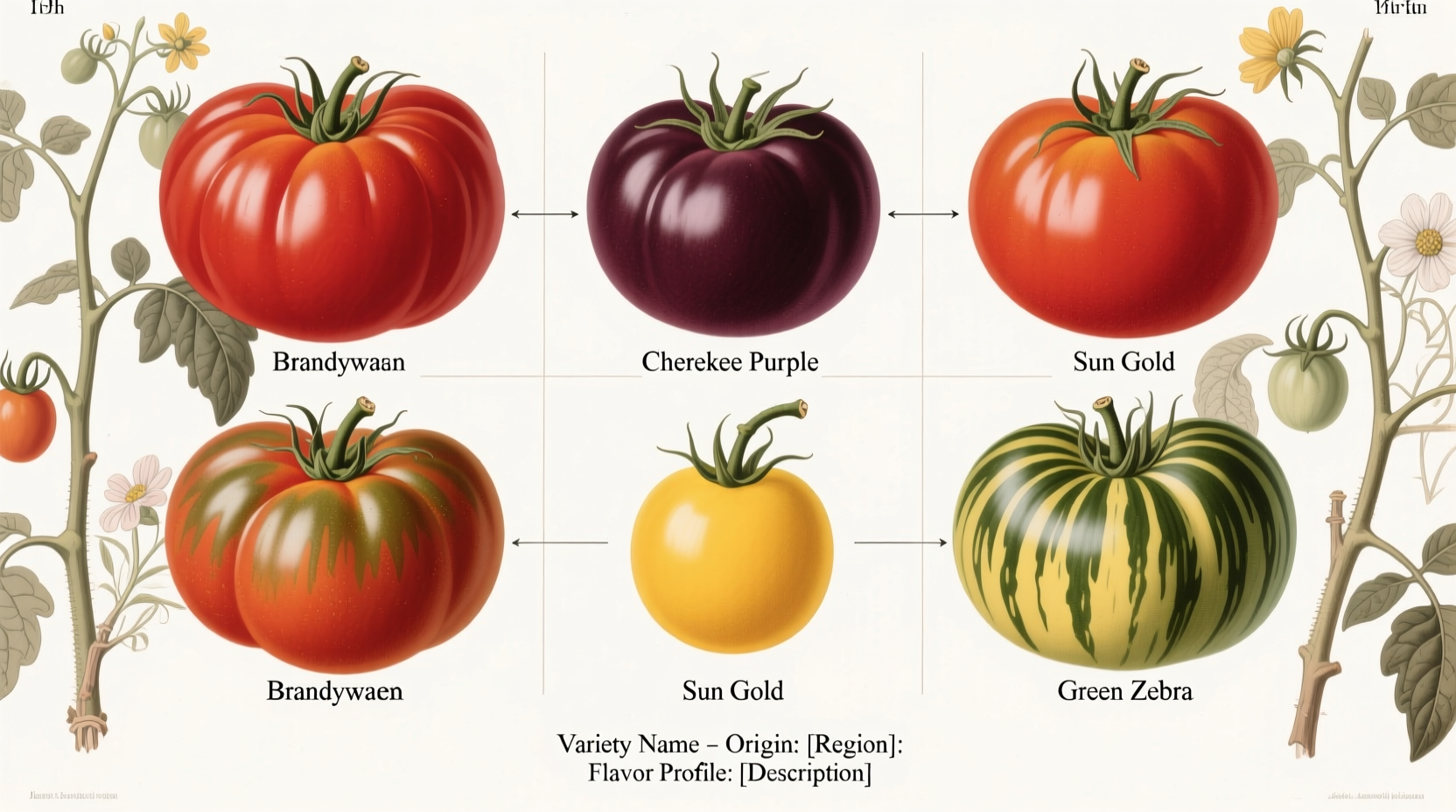
The tomato (Solanum lycopersicum) is a fruit botanically, though legally classified as a vegetable in the U.S. since an 1893 Supreme Court ruling. Native to western South America, it was domesticated in Mexico and introduced to Europe in the 16th century. Today, thousands of cultivars exist, bred for traits such as disease resistance, yield, color, sweetness, acidity, firmness, and shelf life. While all share a basic savory-sweet profile with umami depth, their culinary roles vary significantly based on water content, flesh density, seed count, and skin thickness. Recognizing these distinctions allows for smarter ingredient selection, whether crafting a slow-cooked ragu or assembling a summer caprese salad.
Key Characteristics of Tomato Varieties
Different tomato types serve different purposes due to inherent physical and chemical properties. The following table outlines key attributes across common categories:
| Variety | Flavor Profile | Texture | Water Content | Best Culinary Use |
|---|---|---|---|---|
| Slicing (e.g., Early Girl) | Balanced sweet-tart | Firm, juicy | High | Sandwiches, salads, grilling |
| Roma (Plum) | Earthy, less acidic | Dense, low-seed | Low | Sauces, pastes, canning |
| Cherry | Intensely sweet | Crisp, thin-skinned | Moderate | Snacking, roasting, salads |
| Grape | Sweeter than cherry | Firm, meaty | Low-Moderate | Roasting, snacking, pizza topping |
| Beefsteak | Rich, complex, mild acidity | Very juicy, soft | Very High | Burgers, sandwiches, fresh eating |
| Heirloom | Variable; often floral, earthy, nuanced | Tender, fragile | High | Raw preparations, gourmet dishes |
| Campari | Sweet, bright, consistent | Firm, juicy | Moderate | Salads, skewers, light cooking |
Variants & Types: A Detailed Breakdown
Slicing Tomatoes
Slicing tomatoes are the most commonly found in supermarkets. Cultivars like Early Girl, Better Boy, and Big Boy are bred for reliable yield and uniform shape. They have smooth skin, moderate juiciness, and a balanced acid-sugar ratio, making them ideal for layering in sandwiches, BLTs, or green salads. Their size—typically 6–8 oz—allows for even slices without excessive crumbling. However, they lack the depth for long-cooked sauces and may become mealy if refrigerated.
Roma (Plum) Tomatoes
Romas are oblong, with thick walls and fewer seed cavities. Their low moisture content makes them perfect for reduction. When simmered, they break down efficiently into rich, dense sauces without requiring prolonged evaporation. Often canned whole or as paste, Romas are also excellent for sun-drying or roasting. San Marzano, a DOP-protected Italian variety grown in volcanic soil near Mount Vesuvius, is considered the gold standard for Neapolitan pizza sauce due to its sweetness and low acidity.
Cherry Tomatoes
Small, round, and typically 1–2 inches in diameter, cherry tomatoes burst with sweetness when bitten. Popular in snack packs and salads, they come in red, yellow, orange, and purple hues. Red varieties tend to be tangier, while yellow and orange types are milder and sweeter. Because of their high sugar content, they caramelize beautifully when roasted or grilled. They are not recommended for sauces due to high seed-to-flesh ratio and excess liquid.
Grape Tomatoes
Bred from cherry tomatoes for improved durability and lower water content, grape tomatoes are elongated and firmer. They resist splitting and hold up well in cooked dishes. Their concentrated flavor and meaty texture make them superior to cherries for roasting, pizza toppings, and pasta additions. Grape tomatoes often outperform cherries in shelf life, lasting up to two weeks at room temperature when stored properly.
Beefsteak Tomatoes
Named for their large size—often exceeding one pound—beefsteaks are prized for their juicy, layered flesh and broad shoulders. Ideal for burgers or tomato sandwiches, they offer maximum surface area and succulence. However, their high seed count and soft texture make them poor candidates for cooking. Beefsteaks are best enjoyed raw, simply seasoned with salt, pepper, and olive oil. Due to their fragility, they should never be refrigerated, which degrades flavor and texture.
Heirloom Tomatoes
Heirlooms are open-pollinated, non-hybrid varieties passed down through generations. They exhibit irregular shapes, vibrant colors (striped, green-shouldered, black, pink), and exceptional flavor complexity. Each variety tells a story—Brandywine offers wine-like depth, Cherokee Purple delivers smoky sweetness, and Green Zebra provides tart brightness. Heirlooms are highly perishable and best consumed within 3–5 days of harvest. They shine in uncooked applications where flavor can dominate: sliced on toast, in composed salads, or paired with burrata and basil.
Campari Tomatoes
Often labeled “tomatoes on the vine,” Camparis occupy a middle ground between slicing and cherry types. Grown in controlled greenhouse environments, they combine juiciness with firmness and consistent ripeness. Their flavor is bright and mildly sweet, making them suitable for both fresh eating and light sautéing. Commonly found in grocery stores year-round, Camparis are a reliable choice when seasonal field tomatoes are unavailable.
Comparison with Similar Ingredients
Tomatoes are frequently confused with other nightshades or fruit-vegetables. Understanding how they differ helps avoid substitution errors.
- Tomatillos vs. Tomatoes: Though related, tomatillos are encased in papery husks and have a tart, citrusy flavor. Used primarily in Mexican salsas verdes, they are not interchangeable with ripe tomatoes.
- Pomegranate Seeds vs. Tomato Seeds: Both add bursts of juice, but pomegranate seeds contribute sweetness and crunch, while tomato seeds add acidity and soft texture. Not substitutes, but complementary in some Middle Eastern dishes.
- Red Bell Peppers vs. Ripe Tomatoes: Both are red and sweet, but bell peppers lack acidity and umami. They can mimic texture in roasted applications but won’t provide the same depth in sauces.
- Cherry Tomatoes vs. Sun-Dried Tomatoes: Cherry tomatoes are fresh and high-moisture; sun-dried versions are dehydrated, intensely flavored, and oil-packed. One ounce of sun-dried equals roughly 6–8 fresh cherries in flavor impact but requires rehydration or oil integration.
Practical Usage: How to Use Each Variety
Selecting the right tomato is only half the battle—proper handling ensures optimal results.
Slicing & Raw Applications
For sandwiches or caprese salads, use ripe slicing or heirloom tomatoes. Slice no more than 30 minutes before serving to prevent sogginess. Season with flaky sea salt just before eating to draw out flavor without accelerating breakdown. Pair with fresh mozzarella, basil, extra virgin olive oil, and aged balsamic.
Sauce & Cooking Applications
For marinara, arrabbiata, or Bolognese, rely on Romas or San Marzanos. To maximize efficiency:
- Blanch and peel tomatoes to remove skins, which can turn leathery during cooking.
- Crush by hand or pulse in a food mill to retain texture while removing seeds.
- Simmer gently for 45–90 minutes, stirring occasionally, until thickened.
- Finish with a teaspoon of sugar only if needed to balance acidity.
Roasting & Caramelization
Cherry and grape tomatoes excel here. Toss with olive oil, thyme, garlic, and a pinch of salt. Roast at 400°F (200°C) for 25–35 minutes until blistered and jammy. Use as a side, fold into risotto, or purée into a roasted tomato soup base. Avoid beefsteak or heirloom types—they release too much liquid and turn mushy.
Grilling & Charring
Thick slices of beefsteak or Campari tomatoes work best. Oil the grill grates and cook over medium-high heat for 2–3 minutes per side. Grill marks enhance savory notes via the Maillard reaction. Serve with grilled meats or in a warm panzanella salad.
Pro Tip: When making tomato sauce from fresh slicers, reduce excess water by seeding the tomatoes first. Cut in half horizontally and gently squeeze over a bowl to remove gel and seeds. This prevents watery sauce and concentrates flavor.
Storage & Shelf Life Guidelines
Improper storage is the leading cause of diminished tomato quality.
- Never refrigerate ripe tomatoes. Cold temperatures below 55°F (13°C) destroy volatile flavor compounds and cause mealiness. Store at room temperature, stem-side down, on a countertop away from direct sunlight.
- Unripe tomatoes can sit in a paper bag with a banana or apple to speed ripening via ethylene gas.
- Cherry and grape tomatoes last longer—up to 10 days—due to thicker skins. If nearing spoilage, roast them immediately and freeze for future sauces.
- Cut tomatoes should be used within 24 hours. Cover tightly and refrigerate, but bring to room temperature before serving to restore aroma.
- Preservation: Excess tomatoes can be frozen whole (thaw and strain for sauce), canned, or dehydrated into powder for seasoning.
Substitutions & Practical Workarounds
Not every recipe demands perfection, but smart swaps maintain integrity.
| If You Need… | Use Instead | Adjustment Required |
|---|---|---|
| Roma tomatoes | Peeled and seeded slicing tomatoes | Simmer longer to reduce excess water |
| Cherry tomatoes | Grape tomatoes | None—direct substitute |
| Heirloom tomatoes | High-quality greenhouse beefsteak | Expect milder flavor; enhance with herbs |
| Fresh tomatoes (off-season) | High-quality canned whole tomatoes | Use undrained; crush by hand |
Practical Tips & FAQs
Q: Why do my homemade sauces turn out watery?
A: High-moisture varieties like beefsteak or unseeded slicers release too much liquid. Use Romas, seed your tomatoes, or extend simmer time to evaporate water. A cornstarch slurry is a last resort but dulls flavor.
Q: Are greenhouse tomatoes inferior to field-grown?
A: Not inherently. Modern greenhouse varieties like Campari or Dutch trusses are bred for flavor and consistency. While they lack the sun-exposed depth of peak-season field tomatoes, they offer reliable quality year-round.
Q: Can I grow multiple types in a home garden?
A: Yes, but separate indeterminate (vining) and determinate (bush) types. Indeterminates like Brandywine or Sungold require staking and pruning; determinates like Roma are compact and ideal for containers. Rotate crops annually to prevent soil-borne diseases.
Q: What’s the best tomato for canning?
A: Roma or Amish Paste. Their low moisture and high pectin content create thick, stable preserves. Always follow tested USDA guidelines for safe pH levels when canning.
Q: Do colored tomatoes taste different?
A: Yes. Yellow and orange tomatoes are generally lower in acid and sweeter. Purple and black types (e.g., Cherokee Purple) contain anthocyanins, lending earthy, smoky notes. Green-ripening varieties like Green Zebra remain tart even when mature—ideal for contrast in salads.
“The secret to great tomato cooking isn’t just the variety—it’s timing. A Roma in August will outshine any winter heirloom. Let seasonality guide your choices.” — Chef Elena Ruiz, Culinary Instructor, California School of Culinary Arts
Summary & Key Takeaways
Understanding tomato varieties transforms everyday cooking. No single type excels in every application—success lies in matching the tomato to the task. Romas are unmatched for sauces; cherries and grapes deliver sweetness and resilience in roasting; beefsteaks and heirlooms reign supreme in raw preparations. Flavor, texture, and moisture content are not interchangeable, and substitutions require thoughtful adjustments. Proper storage preserves quality, while seasonal awareness ensures peak performance. Whether you're a weekend cook or a professional chef, mastering the tomato spectrum elevates everything from simple salads to complex braises. Next time you reach for a tomato, consider not just ripeness—but variety.
Explore your local farmers' market, taste a rainbow of tomatoes, and discover how variety shapes flavor. Your palate will thank you.




 浙公网安备
33010002000092号
浙公网安备
33010002000092号 浙B2-20120091-4
Comments
No comments yet. Why don't you start the discussion?