
In today’s fast-paced industrial and construction environments, mobility and reliability are non-negotiable. Whether you're a professional welder working on remote job sites or a DIY enthusiast tackling backyard projects, having access to a welding machine that is both compact and durable can make all the difference. The ideal portable unit delivers consistent performance without sacrificing build quality or portability. This guide explores top-tier options, essential features to consider, and real-world applications that highlight why investing in the right portable welder pays off.
Why Portability and Durability Matter
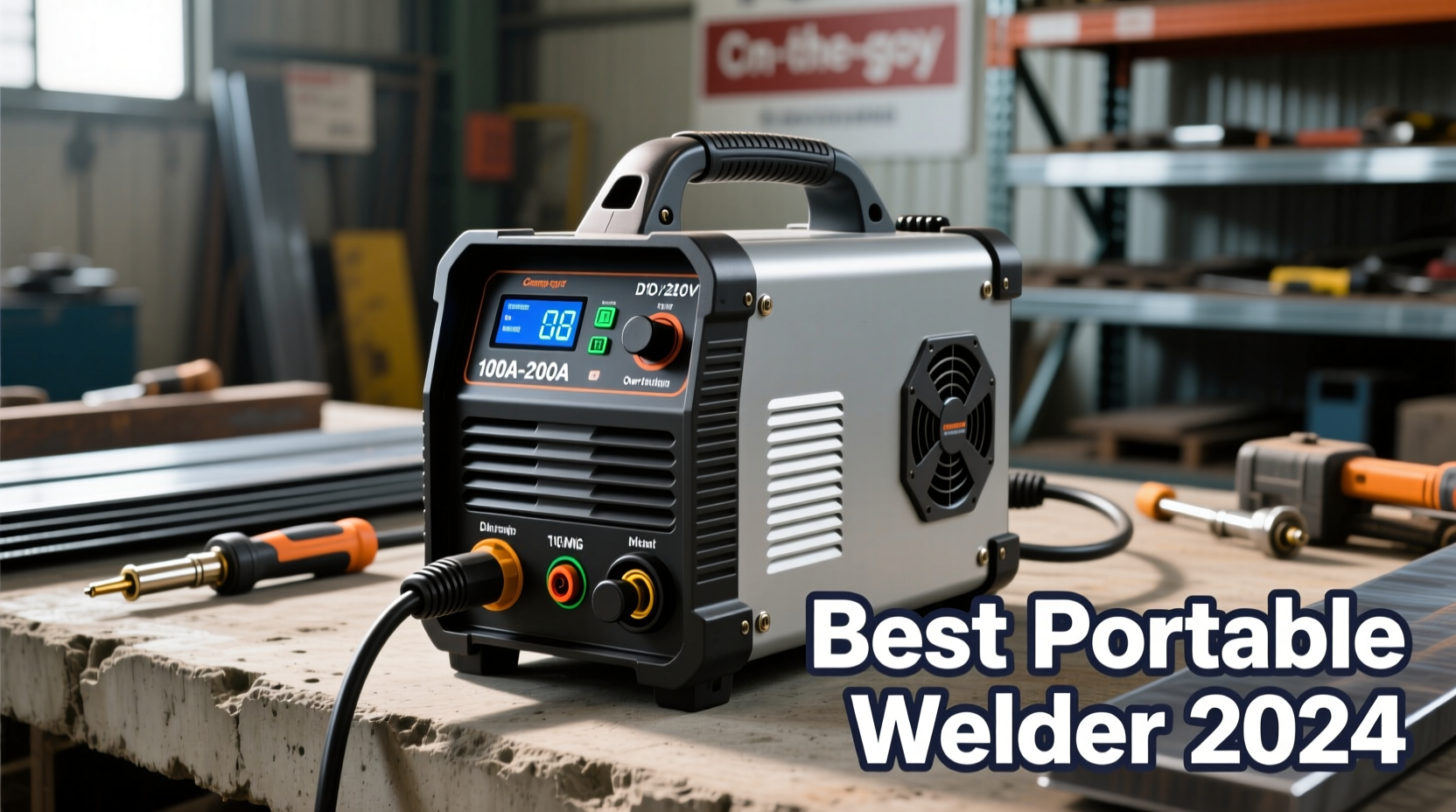
Welding isn’t confined to workshops anymore. From field repairs on agricultural equipment to emergency fixes on pipelines, welders are increasingly required to operate in unpredictable conditions. A machine that weighs less than 40 pounds yet withstands drops, dust, moisture, and temperature extremes becomes a critical asset.
Durability ensures longevity and reduces downtime due to mechanical failure. Meanwhile, compactness improves maneuverability—especially important when climbing scaffolds, crawling under vehicles, or navigating tight spaces. Together, these traits define modern portability: not just lightweight, but resilient and efficient.
“Today’s best portable welders don’t compromise power for size—they integrate smart engineering to deliver both.” — Mark Reynolds, Senior Field Technician at IronCore Fabrication
Top Features to Look For
Selecting the right portable welding machine means evaluating more than just weight. Consider these core attributes:
- Inverter Technology: Enables smaller size and better energy efficiency compared to traditional transformers.
- Duty Cycle: Indicates how long the machine can run within a 10-minute window before overheating. Aim for at least 60% at maximum output.
- Amp Range: Should support your typical materials (e.g., 20–180A covers most thin to medium steel).
- Input Voltage Flexibility: Dual-voltage models (120V/240V) offer greater adaptability across locations.
- IP Rating: Dust and water resistance (e.g., IP23) enhances durability in outdoor or dirty environments.
- Carrying Design: Integrated handles, shoulder straps, or rugged frames improve transport ease.
Comparison of Leading Compact & Durable Models
| Model | Weight | Max Output (Amps) | Duty Cycle | Key Strengths | Best For |
|---|---|---|---|---|---|
| Miller Bobcat 175 | 195 lbs | 175 | 60% @ 130A | Engine-driven, runs independently of grid power | Remote field work, no power source available |
| Hobart Ranger 180 | 47 lbs | 180 | 30% @ 180A | Balanced power-to-weight ratio, excellent arc control | Contractors needing versatility and reliability |
| Lincoln Electric Stick Weld PAK-300 | 28 lbs | 300 | 20% @ 300A | High output in ultra-light package, rugged casing | Heavy-duty repair jobs requiring deep penetration |
| WelderSeries WS-165 MiniMig | 19 lbs | 165 | 60% @ 140A | True handheld size, gasless MIG capability | DIYers, auto body touch-ups, farm repairs |
| ESAB Rebel EMP 215i | 44 lbs | 215 | 35% @ 200A | Multiprocess (MIG, TIG, Stick), excellent duty cycle | Professionals needing multiple welding methods |
Note: While some models like the Miller Bobcat are heavier, their self-contained engine design makes them indispensable where electricity isn't available. Others prioritize lightness without sacrificing too much amperage, making them ideal for mobile technicians.
Real-World Application: Emergency Repair in Rural Texas
During a drought in West Texas, a rancher faced a broken feed mixer axle. With no nearby shop and limited power supply, he relied on his ESAB Rebel 215i. Weighing under 45 pounds, it was carried from the barn to the pasture. Running on generator power, the welder completed a full SMAW (stick) repair in under an hour. Despite dust storms and high heat, its sealed electronics and robust housing prevented malfunction.
This case illustrates how compactness enables access, while durability ensures operation under stress. The ability to switch between stick and MIG also allowed him to first tack the joint with precision and then finish strongly—proving multipurpose functionality adds value beyond raw portability.
Step-by-Step Guide to Choosing Your Ideal Unit
- Assess Your Primary Use: Are you doing light fabrication, heavy repair, or occasional maintenance?
- Determine Required Amperage: Thin sheet metal may need only 100A; thick structural steel often exceeds 200A.
- Evaluate Power Availability: If outlets are scarce, consider engine-driven or dual-voltage inverters.
- Test Weight vs. Performance: Balance between ease of transport and sustained output capacity.
- Inspect Build Quality: Look for metal housings, reinforced corners, and weather-resistant seals.
- Verify Warranty and Support: Brands like Lincoln and Hobart offer extensive service networks.
- Try Before You Buy: Rent or demo units to gauge ergonomics and startup reliability.
Actionable Checklist Before Purchase
- ☐ Confirm input voltage compatibility with your site power
- ☐ Ensure included cables are long enough for workspace layout
- ☐ Verify whether gas tank mounting is available (for MIG models)
- ☐ Check availability of replacement parts and consumables
- ☐ Review user manual for maintenance intervals and cleaning procedures
- ☐ Confirm whether fan cooling runs only when needed (reduces dust intake)
Frequently Asked Questions
Can I weld aluminum with a portable machine?
Yes, but only certain multiprocess inverters support TIG or spoolgun-enabled MIG welding for aluminum. Ensure the model explicitly lists this capability and use argon shielding gas for clean results.
How do I protect my portable welder during transport?
Always store it upright in a padded bag or case. Avoid placing tools or heavy objects on top. If exposed to rain or condensation, let it dry fully before powering on to prevent internal corrosion.
Are lighter machines less powerful?
Not necessarily. Modern inverter technology allows high output in small packages. However, very lightweight units (under 20 lbs) often have lower duty cycles, meaning they require cooldown periods after intense use.
Final Thoughts and Recommendation
The best portable welding machines merge thoughtful engineering with rugged practicality. For most users, the sweet spot lies between 25 and 50 pounds, offering enough power for 1/4-inch steel while remaining manageable over rough terrain. Models like the Hobart Ranger 180 and ESAB Rebel series strike this balance effectively, combining proven durability with intuitive controls and reliable arcs.
If your work demands ultimate independence from infrastructure, consider engine-driven options despite their higher weight. For hobbyists and technicians focused on precision, compact MIG or multiprocess units deliver flexibility without clutter.
“Don’t buy portable just because it fits in your truck. Buy it because it won’t fail when you need it most.” — Carlos Mendez, Mobile Welding Consultant
Take Action Today
Your next project shouldn’t be delayed by inadequate tools. Evaluate your current workflow: Are you lugging outdated gear? Struggling with inconsistent arcs in the field? Now is the time to upgrade to a compact, durable portable welding machine that supports your pace, environment, and standards. Research the models discussed, test them if possible, and invest in one that will last years—not just weekends.




 浙公网安备
33010002000092号
浙公网安备
33010002000092号 浙B2-20120091-4
Comments
No comments yet. Why don't you start the discussion?