
For anglers who value efficiency and readiness, organizing terminal tackle isn’t just about tidiness—it’s a performance upgrade. Terminal tackle includes hooks, sinkers, swivels, floats, leaders, and other small components that directly influence presentation and catch success. When scattered or poorly stored, these items create frustration, waste time, and increase the risk of losing critical gear. Compact and practical storage solutions solve these problems by keeping everything accessible, protected, and logically arranged—whether you're shore fishing at dawn or heading out on a multi-day trip.
The key is balancing space efficiency with functionality. The best systems allow quick access without sacrificing protection from moisture, tangles, or accidental spills. With thoughtful planning and the right tools, even the smallest tackle box or bag can house a fully equipped terminal tackle arsenal.
Why Terminal Tackle Deserves Specialized Storage
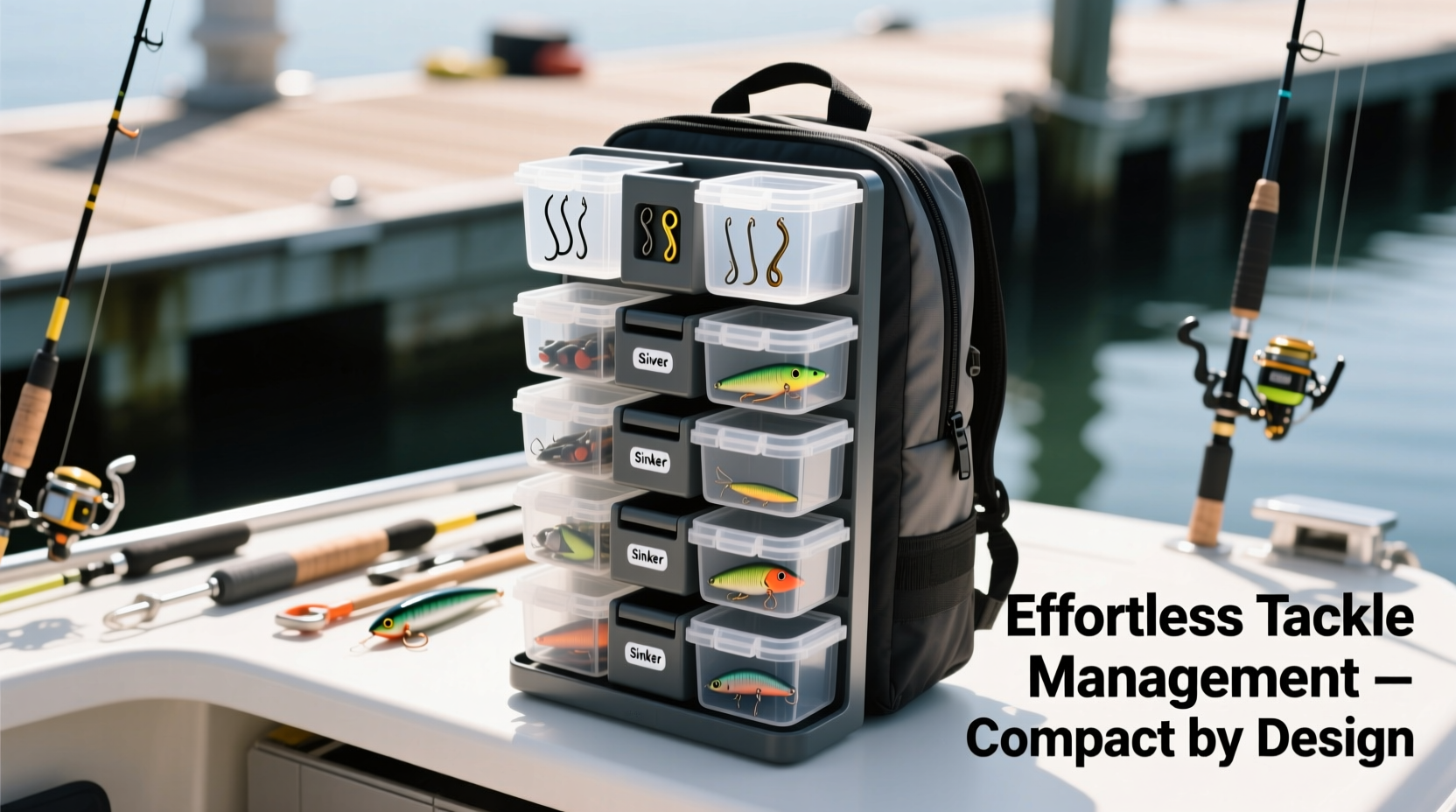
Unlike rods, reels, or lures, terminal tackle consists of tiny, easily lost components that serve highly specific functions. A size 6 Aberdeen hook performs differently than a 1/0 circle hook; a split shot sinker behaves unlike a bell weight. Misplacing or mixing these items leads to suboptimal rigging and missed opportunities.
Moreover, many terminal components are prone to corrosion (especially lead weights and stainless steel hooks), tangling (leaders and lines), or damage from pressure (fragile floats). Without proper storage, their effectiveness diminishes rapidly. Poorly stored hooks dull, swivels seize up, and crimps deform—all undermining your presentation.
“Organized terminal tackle is the foundation of adaptability on the water. If you can’t find the right component in seconds, you’re already behind.” — Mark Reynolds, Professional Guide & Tournament Angler
Choosing the Right Storage System: Types and Trade-offs
Not all storage methods suit every angler. Your ideal solution depends on how much gear you carry, where you fish, and how often you change rigs. Below is a comparison of common terminal tackle storage options:
| Storage Type | Capacity | Portability | Accessibility | Best For |
|---|---|---|---|---|
| Plano StowAway Boxes | High | Moderate | Good | Large collections, base camp setups |
| Tackle Trays (with dividers) | Medium | High | Excellent | Frequent rig changes, boat anglers |
| Zippered Pouch Systems | Low–Medium | Very High | Fair | Backpacking, kayak, or wade fishing |
| Re-sealable Plastic Bags | Low | High | Poor | Budget-conscious or temporary use |
| Magnetic Strips / Panels | Very Low | Low | Excellent | Home organization or workshop use |
For most field applications, modular tray systems inside durable, stackable boxes offer the best balance. They allow customization, prevent shifting during transport, and integrate seamlessly into larger tackle management strategies.
Step-by-Step: Building an Efficient Terminal Tackle Kit
Creating a compact yet comprehensive system takes deliberate assembly. Follow this sequence to build a reliable, portable setup:
- Inventory your gear: Lay out all terminal tackle. Sort by type—hooks, sinkers, swivels, floats, etc.—and note quantities.
- Cull damaged items: Discard rusted weights, dull hooks, cracked floats, or seized swivels. This reduces clutter and ensures reliability.
- Select container size: Choose a box or pouch that fits your typical load. A 3700-size Plano or equivalent works for most freshwater needs.
- Customize compartments: Adjust tray dividers to match item sizes. Group frequently used combinations (e.g., hook + bead + split shot for float rigs).
- Add protective layers: Place foam sheets beneath sharp hooks to prevent piercing through trays. Use silicone gel packs to absorb moisture.
- Label clearly: Use waterproof labels or permanent markers to identify contents. Include sizes and quantities if helpful.
- Test in the field: Take the kit on a short trip. Note any access issues, rattling, or missing items, then refine accordingly.
This process transforms chaos into precision. Over time, the muscle memory of reaching for the right compartment becomes second nature.
Real-World Example: Streamlining a Bass Angler’s Terminal Setup
Consider Jake, a weekend bass angler who struggled with disorganized terminal tackle. He’d often arrive at his favorite spot only to realize he’d forgotten drop-shot weights or couldn’t find the correct swivel size. His old system—a single tackle box jammed with loose components—led to tangles and wasted time.
After adopting a two-tray Plano organizer, Jake dedicated one tray to weights (separating tungsten and glass by ounce increments) and the other to hooks and rigging accessories. He labeled each section and added a small zip pouch for extra line and crimps. On his next outing, he rigged three different drop-shot setups in under five minutes—something previously unthinkable.
More importantly, he noticed fewer snags and improved knot strength because his components were no longer jumbled together, causing micro-abrasions on line. The investment in organization paid off in both confidence and catch rate.
Pro Tips for Long-Term Maintenance and Efficiency
- Use soft spools for leader material: Store pre-cut fluorocarbon or mono lengths on plastic spools or wrapped around cardboard pieces labeled with length and test strength.
- Keep duplicates of essentials: Maintain a backup stash of most-used items (e.g., size 1/0 hooks, 1/8 oz sinkers) in a separate sealed bag in case of loss or damage.
- Rotate stock: Periodically check expiration-prone items like rubber beads or soft stoppers for brittleness.
- Limit exposure: Only open the main container when needed. Use smaller transfer cases for day-specific loads to minimize air and moisture exchange.
Frequently Asked Questions
Can I store different metals together (lead, tungsten, steel)?
Yes, but it's better to separate them. Tungsten is denser and harder than lead; storing them together may cause lead weights to deform. Also, separating by material helps maintain consistency in rig performance.
How do I prevent hooks from rusting in humid climates?
Store hooks in airtight containers with desiccants. After fishing, wipe down metal components before returning them to storage. Consider using corrosion-resistant coated hooks (e.g., nickel-plated or epoxy-coated) for extended protection.
Are magnetic strips practical for on-water use?
Generally no. While excellent for home workshops, magnets can attract debris, shift during movement, and pose a hazard if near electronics. Stick to enclosed, compartmentalized systems when mobile.
Final Checklist: Optimize Your Terminal Tackle Storage
- ✅ Audit current terminal tackle inventory
- ✅ Remove damaged or obsolete items
- ✅ Choose a compact, durable container with adjustable trays
- ✅ Organize by function and frequency of use
- ✅ Label all compartments clearly
- ✅ Add moisture control (silica gel)
- ✅ Test system during actual fishing conditions
- ✅ Refine layout based on real-world feedback
Conclusion: Small Changes, Big Impact
Terminal tackle may be small in size, but its impact on fishing success is enormous. By investing time in compact and practical storage, you gain more than order—you gain confidence, speed, and consistency. Whether you're targeting panfish in a quiet creek or battling saltwater species offshore, knowing exactly where your gear is and that it’s ready to perform makes all the difference.




 浙公网安备
33010002000092号
浙公网安备
33010002000092号 浙B2-20120091-4
Comments
No comments yet. Why don't you start the discussion?