
Inflatable stand-up paddle boards (SUPs) have transformed water sports by combining portability with performance. No longer seen as inferior to hardboards, modern inflatable SUPs offer exceptional rigidity, durability, and versatility—making them ideal for everyone from first-time paddlers to seasoned adventurers. The key lies in finding models that are truly compact, built to last, and adaptable across different environments and skill levels. With so many options on the market, understanding what sets top-tier boards apart can make all the difference in your experience on the water.
Why Inflatable SUPs Are the Smart Choice
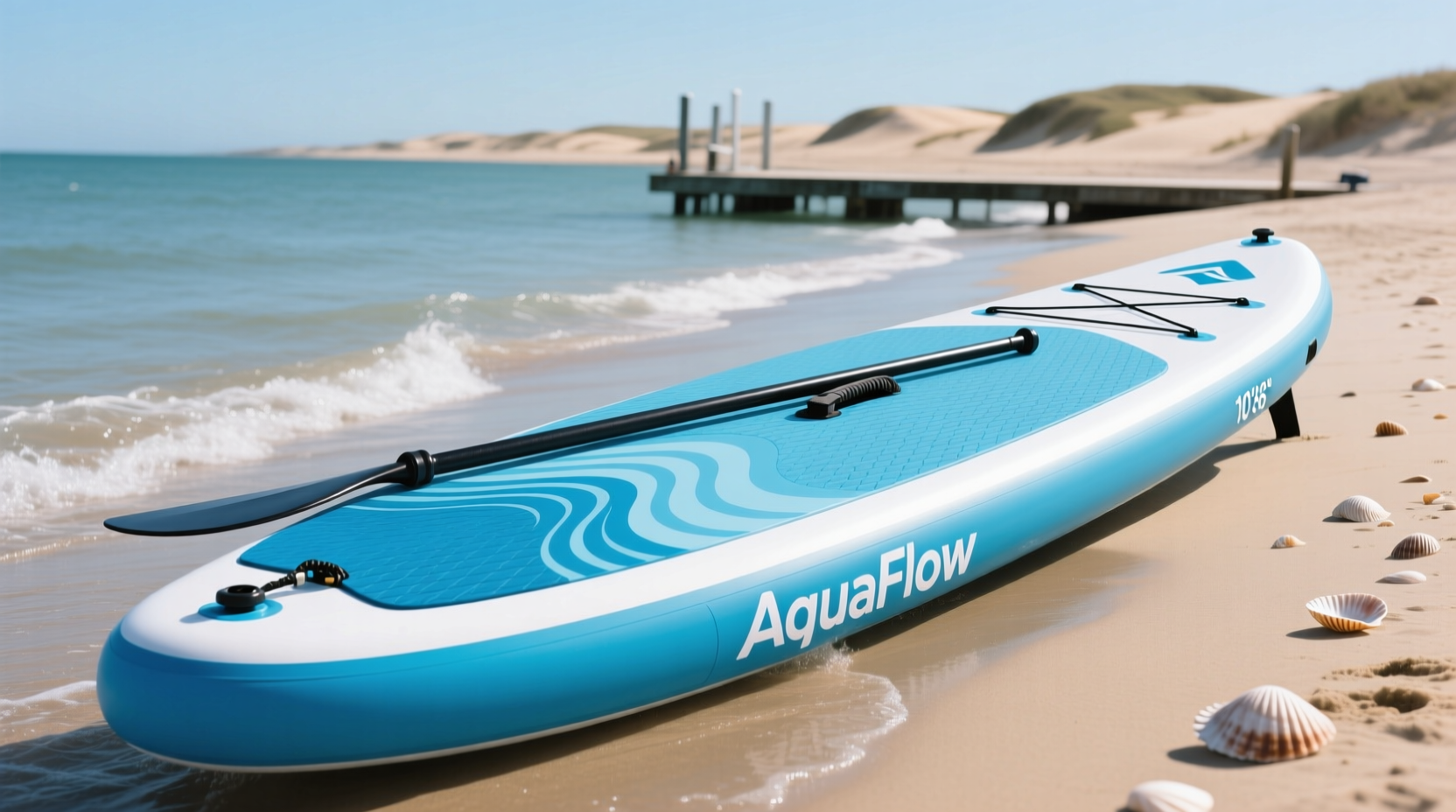
Once considered a temporary alternative, inflatable SUPs now rival traditional hardboards in stability, performance, and longevity. Their construction using drop-stitch technology—where thousands of threads bind two layers of PVC fabric—allows them to inflate to high pressures (typically 15–20 PSI), resulting in a rigid platform that performs like a solid board.
Their greatest advantage is portability. A deflated SUP rolls into a backpack-sized carry bag, often weighing under 30 pounds. This makes transportation effortless—no roof racks or trailers needed. Whether you’re hiking to a remote lake, traveling internationally, or storing the board in a small apartment, inflatables eliminate logistical hurdles.
“Inflatable SUPs have closed the performance gap entirely. For most recreational and even fitness paddlers, they’re not just convenient—they’re optimal.” — Jordan Lee, Water Sports Equipment Designer at AquaForm Dynamics
Key Features of High-Quality Inflatable SUPs
Not all inflatable boards deliver the same results. To ensure long-term satisfaction, focus on these five core attributes:
- Construction Quality: Look for military-grade PVC or reinforced drop-stitch cores. Dual-layer lamination enhances puncture resistance.
- Rigidity and Pressure Rating: Boards that support 18–20 PSI maintain stiffness comparable to epoxy boards, reducing flex and improving glide.
- Compactness When Deflated: Top models pack down to around 30 inches in length and fit in overhead airplane compartments.
- Weight Capacity: A good all-around board supports 250–350 lbs, accommodating gear for yoga, fishing, or family outings.
- Versatility in Design: Multi-chambered fins, adjustable paddles, and multiple attachment points (for anchors, coolers, or cameras) increase functionality.
Comparing Top Models: Performance vs. Portability
| Model | Length | Packed Size | Max PSI | Weight Capacity | Ideal For |
|---|---|---|---|---|---|
| Red Paddle Co. Ride 10’6” | 10'6\" | 34\" x 18\" | 20 PSI | 275 lbs | All-round use, beginners to advanced |
| Boardworks Soul 10’6” | 10'6\" | 36\" x 16\" | 18 PSI | 300 lbs | Yoga, calm lakes, urban storage |
| Aquaglide Navasita 11’ | 11' | 35\" x 17\" | 15 PSI | 350 lbs | Fishing, tandem paddling, gear-heavy trips |
| Supex Speed 12’0” | 12' | 38\" x 19\" | 20 PSI | 265 lbs | Fitness paddling, touring, speed |
| Nixy Explorer 10’0” | 10' | 32\" x 15\" | 15 PSI | 250 lbs | Beginners, kids, lightweight travel |
The Red Paddle Co. Ride series consistently ranks highest for balancing stiffness, durability, and ease of transport. Its patented RSS (Rocker Stiffening System) adds structural integrity, while the Titan II pump cuts inflation time in half. For those prioritizing minimal packed size, the Nixy Explorer offers unmatched compactness without sacrificing beginner-friendly stability.
Step-by-Step: Choosing and Using Your Board
Selecting and maintaining an inflatable SUP involves more than just unboxing and hitting the water. Follow this timeline for optimal performance:
- Assess Your Needs: Will you use it for calm lakes, rivers, surfing, or fitness? Match the board shape—wider for stability, longer for tracking—to your primary activity.
- Check Inflation Tools: Ensure the included pump has a dual-action (push/pull) mechanism. Digital pressure gauges help avoid under- or over-inflation.
- Inflate Properly: Inflate to manufacturer-recommended PSI. Cold weather may require slightly higher pressure; heat calls for slight reduction.
- Inspect Before Launch: Check valves, seams, and fin attachments. Listen for hissing sounds indicating leaks.
- Care After Use: Rinse thoroughly, dry completely before rolling, and store in a shaded, temperature-controlled area.
- Test Versatility: Try different activities—knee paddling with kids, SUP yoga, or attaching a fishing rod holder—to maximize value.
Real-World Example: A Weekend Warrior’s Experience
Mark T., a software engineer from Boulder, Colorado, bought a Red Paddle Co. Ride 10’6” for weekend adventures. Living in an apartment without garage space, he valued compact storage. “I keep it behind my couch,” he says. “Last summer, I took it on a road trip through Utah—Lake Powell, the Green River, even a mountain reservoir accessible only by trail. It survived rocky shores, desert heat, and being dragged over gravel. Three years later, it still holds 20 PSI with no soft spots.”
What impressed him most was adaptability. “I started learning on flatwater, then tried light river currents. My wife uses it for yoga at sunrise. We even strapped a cooler to the front for a floating picnic. It’s become our go-to outdoor gear—not just a paddle board.”
Essential Checklist Before Buying
Use this checklist to ensure you choose a board that delivers on compactness, durability, and versatility:
- ✅ Confirmed weight capacity exceeds your total load (you + gear)
- ✅ Maximum inflation pressure is 18 PSI or higher
- ✅ Packed dimensions fit your vehicle or travel method
- ✅ Includes repair kit, pump, and carrying bag
- ✅ Drop-stitch construction with at least two layers of PVC
- ✅ Multiple D-rings or bungee cords for accessory mounting
- ✅ Removable center fin for improved tracking and easy storage
- ✅ Warranty of at least 2 years against manufacturing defects
Frequently Asked Questions
Are inflatable SUPs safe in rough water?
Yes, when used within design limits. High-pressure inflatables handle choppy lakes and mild whitewater well. However, avoid ocean swells or strong river rapids unless using a touring-specific model designed for such conditions. Always wear a personal flotation device and leash.
How long do inflatable SUPs last?
With proper care, most quality boards last 5–7 years. Exposure to UV rays, extreme temperatures, and improper storage are the main causes of premature aging. Regular cleaning and indoor storage significantly extend lifespan.
Can I leave my SUP inflated?
Short-term inflation (a few days) is fine, but prolonged inflation in direct sunlight or hot environments increases internal pressure and risks seam damage. Deflate and store indoors when not using for more than 48 hours.
Final Thoughts: Make the Most of Your Time on the Water
Compact, durable, and versatile inflatable SUPs have redefined accessibility in paddle sports. They empower more people to explore waterways without compromising performance or convenience. Whether you're a city dweller with limited storage, a frequent traveler, or someone introducing family members to paddling, today’s best models offer reliability and adaptability that were unimaginable a decade ago.
The right board becomes more than equipment—it becomes a gateway to mindfulness, fitness, and connection with nature. By investing in quality construction, understanding your needs, and maintaining your gear properly, you ensure years of smooth glides, serene mornings, and adventurous excursions.




 浙公网安备
33010002000092号
浙公网安备
33010002000092号 浙B2-20120091-4
Comments
No comments yet. Why don't you start the discussion?