
In an era where every moment can be a story, capturing your adventures in full immersion has never been more accessible. Whether you're scaling mountain trails, biking through city streets, or diving beneath the waves, a 360 action camera ensures no angle goes undocumented. But not all adventurers want bulk. That’s where compact 360 action cameras come in—small enough to clip on a backpack strap, light enough to forget you’re wearing one, yet powerful enough to record every twist and turn in stunning spherical clarity.
The latest generation of 360 cameras balances portability with performance, offering features like 5.7K resolution, waterproofing, AI stabilization, and real-time stitching—all in palm-sized bodies. For travelers, vloggers, and outdoor enthusiasts, choosing the right model means understanding trade-offs between size, durability, image quality, and ease of use.
Why Compact 360 Cameras Are Ideal for Adventure
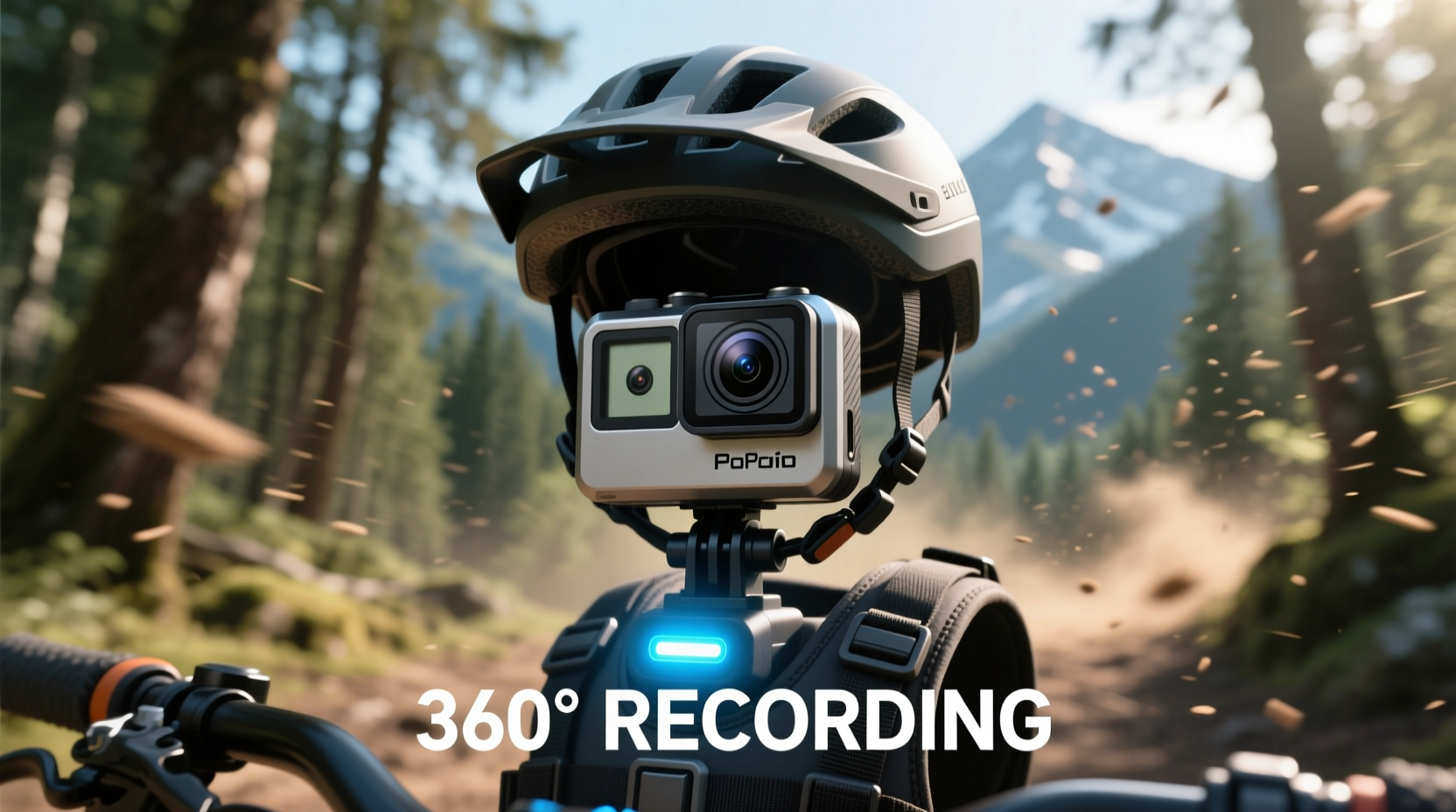
Traditional action cams offer wide-angle shots but still leave blind spots. A 360 camera eliminates those gaps, letting you reframe footage after recording. This is invaluable when you're moving fast or can’t control your environment. But size matters when you're covering miles on foot or packing light.
Compact 360 cameras are engineered for minimalism without sacrificing capability. They typically weigh under 150 grams, fit in a pocket, and often feature magnetic mounts, adhesive bases, or clip-on designs for effortless attachment. Their small footprint also reduces wind noise and drag during high-speed activities.
Top Compact 360 Action Cameras in 2024
Several models stand out for their blend of portability, ruggedness, and video quality. Here’s a breakdown of the most capable compact 360 cameras available today.
| Model | Weight | Max Resolution | Waterproof | Key Feature |
|---|---|---|---|---|
| Insta360 X3 | 183g | 5.7K @ 30fps | Up to 10m (with case) | FlowState stabilization, modular design |
| GoPro MAX | 155g | 5.6K @ 30fps | Up to 5m | HyperSmooth 3.0, dual screens |
| DJI Osmo Action 3 | 149g | 4K @ 120fps (not 360) | Up to 16m | Not true 360, but ultra-compact alternative |
| Kandao QooCam EGO | 120g | 4K @ 60fps | Up to 8m | Lightest true 360 cam, foldable lens cover |
| Teche 360 Air | 98g | 3K @ 30fps | No (splash-resistant only) | Ultra-lightweight, smartphone-powered |
While the Insta360 X3 leads in overall performance and software integration, the Kandao QooCam EGO takes the crown for sheer portability. It's ideal for ultralight backpackers or drone operators who need a tiny spherical rig. The GoPro MAX remains popular for its seamless integration with GoPro accessories and user-friendly app, though it lacks the latest hardware updates.
Key Features to Look for in a Compact 360 Camera
Size isn’t everything. To get the most from your adventures, prioritize these technical and practical features:
- Image Stabilization: Essential for smooth footage on bumpy terrain. Look for gyro-based stabilization like Insta360’s FlowState or GoPro’s HyperSmooth.
- Resolution & Frame Rate: 5.7K allows for high-quality reframing. Higher frame rates (60fps+) help slow-motion editing.
- Battery Life: Compact doesn’t mean short-lived. Aim for at least 60 minutes of continuous 4K recording.
- Water Resistance: Even if not diving, rain, sweat, and splashes demand protection. IPX4 is minimum; IPX8 is ideal.
- Mounting Options: Magnetic bases, quick-release clips, and standard tripod threads expand usability.
- Editing Software: Mobile apps should allow easy trimming, stabilization, and export without requiring a powerful laptop.
“Portability and post-capture flexibility define the modern adventure camera. With a good 360 rig, you don’t have to choose your shot—you can decide later.” — Lena Torres, Adventure Filmmaker & National Geographic Contributor
Real-World Example: Capturing a Mountain Bike Descent
Consider Alex, an amateur trail rider documenting his first downhill run in Moab. He mounts a Kandao QooCam EGO on his handlebars. The descent is rocky, fast, and unpredictable. Midway, he hits a bump and loses control for a second—camera flipping briefly.
With a traditional action cam, this would result in shaky, unusable footage. But because the QooCam records 360 degrees, the fall and recovery are fully captured. Later, using the mobile app, Alex stabilizes the footage, reframes the view to follow his trajectory, and exports a smooth, cinematic clip—even highlighting the moment he regains balance.
The compact size meant the camera didn’t interfere with his grip or add noticeable weight. Its low profile avoided snagging on brush. Without a bulky setup, Alex stayed focused on the ride—not the gear.
Step-by-Step Guide: Choosing and Using Your Compact 360 Camera
- Define Your Use Case: Will you hike, cycle, dive, or commute? Match camera specs to your primary activity.
- Test Mounting Options: Try helmet, chest, handlebar, or handheld grips to see what feels natural.
- Charge & Format: Fully charge the battery and format the SD card before first use.
- Record a Test Clip: Film a short scene in conditions similar to your adventure. Check stability, audio, and framing.
- Edit On-the-Go: Use the companion app to trim and stabilize clips while traveling.
- Back Up Footage: Transfer files to cloud storage or a portable SSD after each session.
- Maintain the Device: Rinse with fresh water after saltwater exposure, clean lenses with microfiber, and store in a dry place.
Frequently Asked Questions
Can I use a compact 360 camera underwater?
Yes, many models are waterproof up to 5–10 meters. For deeper dives, use a protective housing. The Insta360 X3, for example, is waterproof to 10m natively and supports deeper depths with its Dive Case.
Do I need a separate app to edit 360 footage?
Most cameras come with dedicated apps (like Insta360 App or GoPro Quik) that simplify editing, stabilization, and social sharing. While desktop software offers more control, mobile apps are sufficient for quick edits.
Are smaller 360 cameras less durable?
Not necessarily. Many compact models use aerospace-grade aluminum or reinforced polycarbonate. The Kandao QooCam EGO, despite being lightweight, survives drops from 1.5 meters and resists dust and moisture.
Final Thoughts: Adventure Light, Capture Everything
The evolution of 360 technology has made immersive storytelling accessible to everyone. Today’s compact 360 action cameras prove you don’t need a film crew or heavy gear to document your journey in full scope. From the tiniest cliffside scramble to bustling street festivals, these devices ensure no detail is lost.
The best choice depends on your priorities: raw power, absolute minimal weight, or ecosystem compatibility. But across the board, modern compact 360s deliver professional-grade results in travel-friendly packages.




 浙公网安备
33010002000092号
浙公网安备
33010002000092号 浙B2-20120091-4
Comments
No comments yet. Why don't you start the discussion?