
In an era where smartphones have become our default cameras, the debate over whether dedicated compact point-and-shoot cameras still hold value—especially in terms of zoom capability—is more relevant than ever. While modern phones boast impressive computational photography and multi-lens systems, traditional point-and-shoots offer optical zoom ranges and sensor advantages that algorithms alone can't replicate. So, when it comes to capturing distant subjects clearly, which device truly wins?
This isn’t just about megapixels or marketing claims. It’s about real-world usability, image fidelity, low-light performance, and the kind of photos you actually want to keep. Whether you're traveling, attending events, or simply documenting everyday life, understanding the strengths and limitations of each option helps you make smarter choices.
Understanding Zoom: Optical vs Digital vs Computational
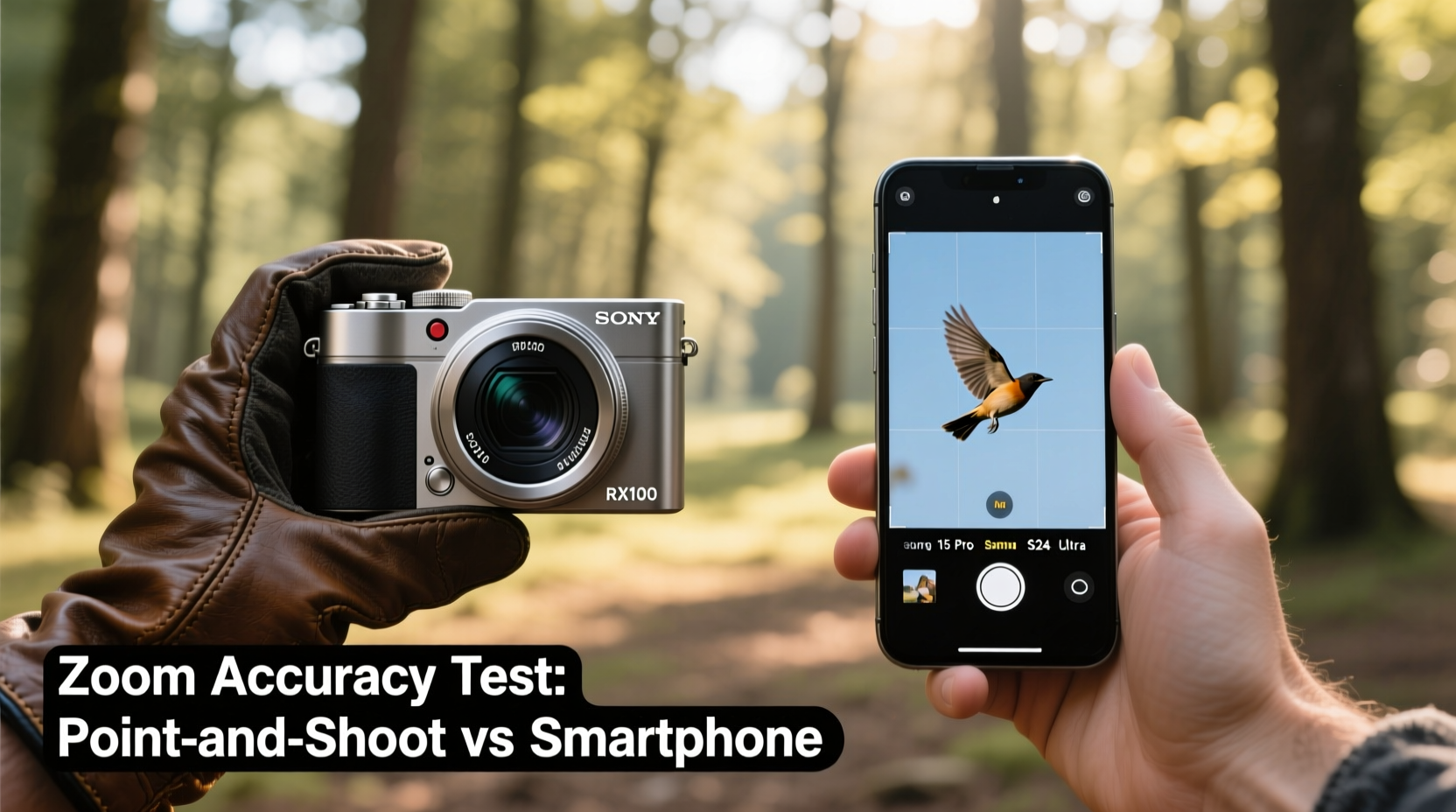
The first step in comparing these devices is clarifying what \"zoom\" really means. Many users assume that if a phone says “10x zoom,” it performs like a telescope. But the reality is more nuanced.
- Optical Zoom: Achieved by physically moving lens elements to magnify the image before it hits the sensor. This preserves full resolution and detail. Common in point-and-shoots.
- Digital Zoom: Crops into the center of the image, reducing resolution and often introducing blur. Found on all devices but degrades quality.
- Computational Zoom: Uses AI, multiple lenses, and software enhancement (like super-resolution) to simulate zoom. Effective up to a point, but not magic.
Smartphones rely heavily on digital and computational techniques, especially beyond 5x. In contrast, many premium compact cameras offer true 10x, 25x, or even 60x optical zoom—without sacrificing image integrity.
Image Quality: Sensor Size Matters
One of the most underappreciated differences between smartphones and point-and-shoots is sensor size. Most high-end compacts use 1-inch sensors or larger, while smartphone sensors are constrained by slim form factors. Larger sensors capture more light, produce less noise, and deliver better dynamic range.
In practical terms, this means that even at 1x zoom, a compact camera will often outperform a smartphone in dim lighting or high-contrast scenes. When you start zooming, the gap widens. The larger sensor allows for longer focal lengths without excessive cropping, preserving clarity.
“Sensor size is the foundation of image quality. No amount of AI can fully compensate for physics.” — David Lin, Imaging Technologist at DPReview
Additionally, point-and-shoots typically feature wider aperture lenses at telephoto lengths. For example, a camera with f/2.8 at 100mm gathers significantly more light than a smartphone telephoto lens at f/4.5 or worse—critical for handheld shooting in twilight or indoor venues.
Real-World Performance Comparison
To understand how these devices perform outside lab conditions, consider common scenarios:
Wildlife Photography
Trying to photograph birds or animals from a distance? A compact with 30x optical zoom lets you fill the frame without disturbing your subject. Smartphones, even with periscope lenses, max out around 10x usable zoom before quality drops sharply.
Concerts and Sports Events
Venues often restrict large cameras, making compact or phone use necessary. Here, a point-and-shoot with long reach and fast autofocus captures sharp mid-action shots. Phones struggle with motion blur and focus hunting at high digital zoom levels.
Travel and Scenic Shots
When hiking or touring, carrying extra gear isn’t ideal. But a single compact that covers ultra-wide to super-telephoto eliminates the need for multiple lenses. Meanwhile, switching between phone camera modes can be clunky, and stitching wide panoramas sometimes fails near edges.
Low-Light Handheld Shooting
Zoomed-in shots require faster shutter speeds to avoid blur. Point-and-shoots with lens-based image stabilization and larger sensors maintain cleaner results at slower ISOs. Phones, relying on electronic stabilization and aggressive noise reduction, often produce smeared details.
Detailed Feature Comparison
| Feature | High-End Smartphone (e.g., iPhone 15 Pro, Galaxy S24 Ultra) | Premium Compact (e.g., Sony RX100 VII, Nikon P1000) |
|---|---|---|
| Max Optical Zoom | 5x–10x (periscope lens) | 10x–60x (true optical zoom) |
| Sensor Size | 1/1.3” – 1” (main), smaller for telephoto | 1” – 1/2.3” (consistent across zoom range) |
| Aperture at Max Zoom | f/4.5 – f/6.3 (dim) | f/5.6 – f/8 (better light control) |
| Image Stabilization | Digital + sensor-shift (on some models) | Optical + electronic (dedicated systems) |
| Manual Controls | Limited in native app; third-party apps help | Full PASM modes, RAW support, customizable buttons |
| Battery Life (shooting) | Moderate (300–500 shots) | Longer (400–700 shots) |
| Portability | Fits in pocket | Larger than phone, but still travel-friendly |
The table shows a clear trade-off: smartphones win on convenience and integration, but compacts dominate in optical flexibility and consistent image quality across zoom ranges.
Mini Case Study: Safari Photography in Kenya
Photographer Maria Tran traveled to Maasai Mara with only her iPhone 15 Pro and a rented Sony RX10IV—a compact with 24–600mm equivalent zoom. Her goal was to test which device delivered usable wildlife images without carrying a DSLR.
During a lion sighting 50 meters away, she took identical compositions on both devices at 30x equivalent zoom. The iPhone used its 5x optical lens plus digital zoom. The Sony used pure optical zoom at 300mm (f/6.3).
On-screen, both looked similar. But when viewed at 100% on a desktop, the iPhone image showed visible softness, color banding, and loss of feather/fur texture. The Sony file retained fine detail, accurate colors, and natural contrast—even after minor noise reduction.
“I expected the phone to close the gap,” Maria said. “But seeing the actual pixels side-by-side was eye-opening. For anything I plan to print or share professionally, the compact won hands down.”
Actionable Tips for Choosing the Right Tool
- If you frequently shoot distant subjects (wildlife, sports, architecture), invest in a bridge-style compact with 25x+ optical zoom.
- For everyday use with occasional telephoto needs, a flagship phone with a periscope lens may suffice.
- Always carry a small tripod or stabilizing grip when using high zoom—both devices benefit from reduced shake.
- Shoot in RAW format on compacts to maximize editing flexibility, especially in challenging light.
- Enable grid lines and use manual focus assist (focus peaking) on compacts for precision at long range.
Step-by-Step: How to Test Zoom Performance Yourself
- Find a distant subject: Choose something with fine detail—a sign, bird feeder, or building facade—at least 30 feet away.
- Use tripod or brace both devices: Place them on a stable surface or use a mini tripod to eliminate hand movement.
- Set both to maximum optical zoom: On the phone, stop at the limit of its optical capability (usually labeled).
- Capture identical frames: Match composition as closely as possible.
- Transfer to computer: View files at 100% zoom in photo software.
- Evaluate: Compare edge sharpness, color accuracy, noise levels, and detail retention.
This simple test reveals far more than spec sheets ever can—and often surprises users who assume their phone keeps up.
FAQ: Common Questions Answered
Can smartphone zoom ever match a real camera?
Not currently. While computational photography improves every year, it cannot replicate the optical and physical advantages of larger sensors and true zoom lenses. At moderate distances and good light, the difference may be negligible for casual viewing—but not for enlargement or professional use.
Are compact cameras becoming obsolete?
For the mass market, yes—sales have declined sharply. But for enthusiasts, travelers, and those needing reliable optical zoom, they remain highly relevant. Models like the Panasonic FZ1000 II or Canon PowerShot V1 fill niches no smartphone can.
Do I need both a phone and a compact?
Many photographers do. They use phones for quick social updates and compacts for serious photography. Think of them as complementary tools: one for immediacy, the other for quality.
Final Verdict: Who Wins?
The answer depends on your priorities.
If your main goals are convenience, instant sharing, and decent-enough photos for Instagram or family albums, the smartphone is the clear winner. Its seamless integration with apps, voice commands, and cloud backup makes it unbeatable for daily life.
But if you care about capturing distant moments with clarity, retaining detail in shadows, or exercising creative control over depth of field and exposure, the compact point-and-shoot camera still reigns supreme. Its dedicated optics, superior sensors, and true zoom capabilities deliver results that no algorithm can consistently fake.
Ultimately, the “winner” isn’t a device—it’s the photographer who knows when to use the right tool. Recognizing the limits of smartphone zoom empowers you to decide whether carrying a slightly larger camera is worth the payoff in image quality.
“The best camera is the one you have with you”—but the best photo comes from the one that can actually capture the moment faithfully. — Rachel Kim, Travel Photographer & Educator
Take Action Today
Don’t just rely on marketing claims. Test both options in your own environment. Rent a compact camera for a weekend trip. Compare its output to your phone’s. See the difference for yourself.
Whether you choose to upgrade your gear or optimize your phone settings, the goal is the same: to bring home photos that truly reflect what you saw and felt. That’s where real photography begins.




 浙公网安备
33010002000092号
浙公网安备
33010002000092号 浙B2-20120091-4
Comments
No comments yet. Why don't you start the discussion?